 Follow Us on Google News
 Follow Us on Google Discover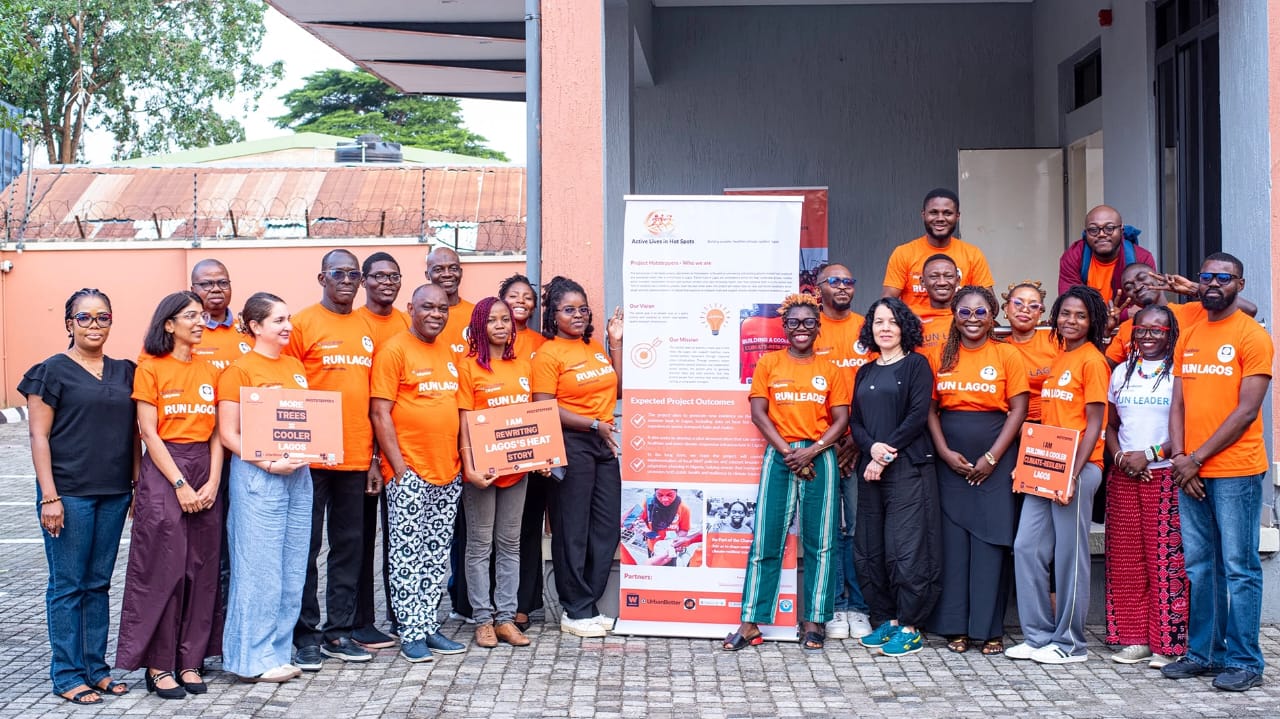
Stakeholders in Lagos health, climate and transport sectors have begun a three-year research initiative aimed at addressing the growing public health risks posed by extreme heat, with 10 communities across the state selected for the study.
The initiative, known as the Active Lives in Hot Spots (Hotsteppers) Project, brings together researchers from the University of Cambridge and the University of Lagos (UNILAG), alongside the Lagos State Government, the Lagos Metropolitan Area Transportation Authority (LAMATA), the Lagos Urban Development Initiative (LUDI) and other partners to generate evidence that could inform heat-related policies and urban planning.
Funded by the Wellcome Trust, the project is led by Professor Tolullah Oni, Chair of Global Public Health and Sustainable Urban Development at the University of Cambridge, and Professor Peter Elias of UNILAG’s Department of Geography, who serves as co-principal investigator.
Speaking during a stakeholders’ workshop in Lagos, Oni said the project would examine how rising temperatures affect the health and mobility of residents, particularly those who rely on public transport, while mapping existing cooling infrastructure to identify low-cost interventions.
She said findings from the study would be shared with LAMATA to support transport infrastructure planning and contribute to the implementation of the Lagos State Health and Climate Plan.
Elias noted that heat-related risks have received less policy attention than flooding and air pollution in the state’s climate adaptation efforts, expressing hope that the study would help strengthen understanding of the health and economic impacts of extreme heat.

Participants at the workshop observed that heat-related illnesses are often underreported because their effects develop gradually rather than through sudden emergencies.
An environmental health expert, Barbara Rubiell, said prolonged heat exposure could worsen non-communicable diseases even when the connection is not immediately recognised, stressing the need for greater public awareness of heat-related health risks.
Oni also underscored the importance of data-driven policymaking, noting that while residents may perceive hotter weather, systematic monitoring is needed to measure its impact on hospital admissions, deaths among vulnerable groups and productivity losses.
LAMATA’s Technical Adviser for Policy, Research and Development, Obafemi Shitta-Bay, said the agency reviews its strategic transport master plan every two years and is expanding the use of electric buses as part of efforts to improve environmental sustainability.
The Lagos State Government said the research could complement its existing climate resilience strategy.
The Special Adviser to the Governor on Climate Change and Circular Economy, Titilayo Oshodi, urged the research team to align its work with ongoing government programmes to strengthen long-term collaboration.
The workshop followed a three-day media training organised under the project for journalists, broadcasters, podcasters and digital storytellers on reporting climate, heat, air quality and urban health issues.
During the training, UrbanBetter Communications Lead, Abimbola Badejo, said about 40 per cent of trips in Lagos are made on foot or by bicycle, exposing a significant proportion of residents to extreme heat. She identified outdoor workers, older adults, pregnant women, persons with disabilities, residents of informal settlements and people living with chronic illnesses such as hypertension and asthma as among the groups most vulnerable to heat stress.
Participants at the workshop called for stronger collaboration among government agencies, researchers, development partners and communities to integrate climate adaptation with public health planning and improve awareness of heat-related risks.

