
 Get Guardian on Google
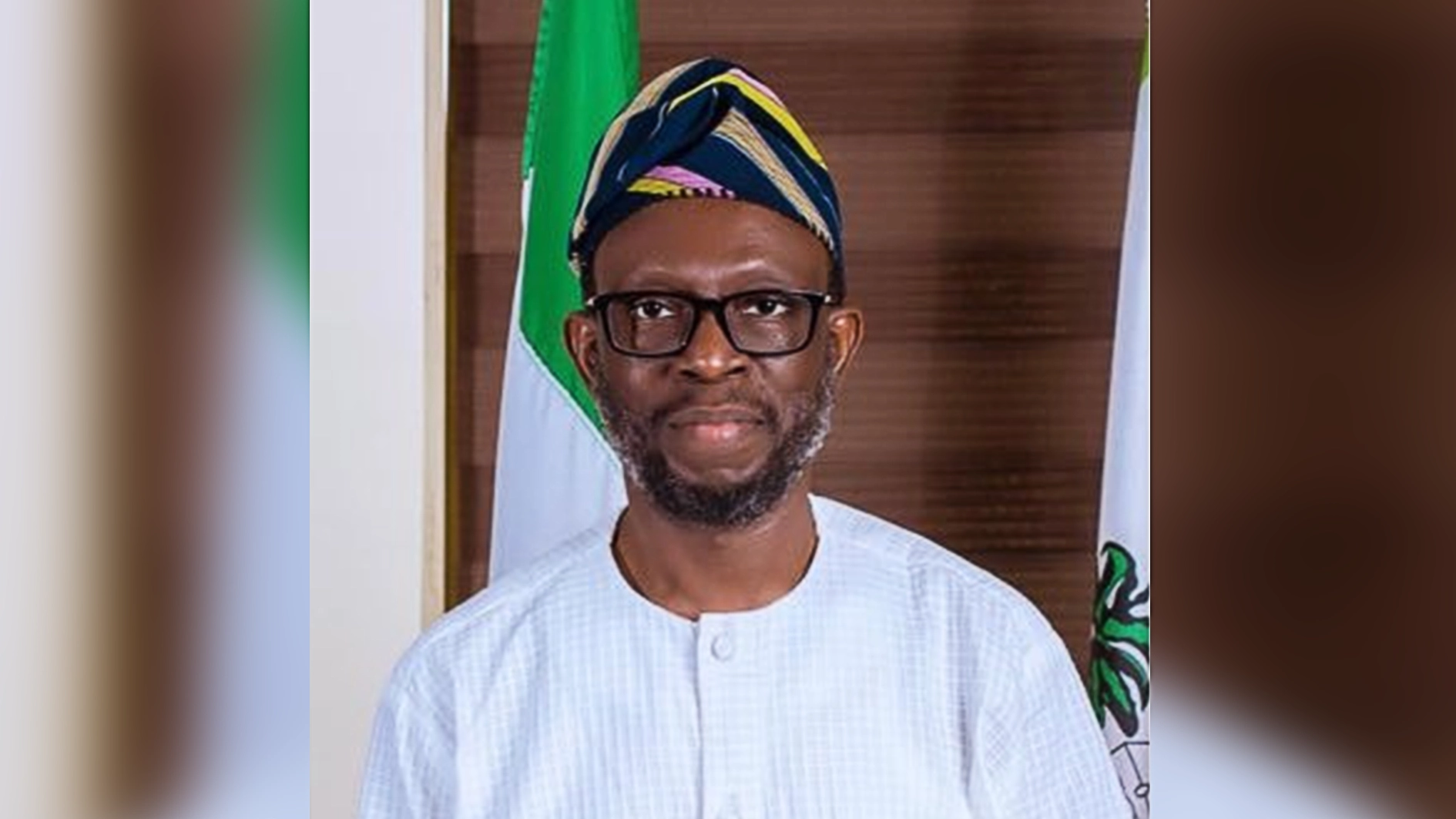
Former Vice-Chancellor of Lagos State University (LASU), Prof. Lanre Fagbohun, has decried Nigeria’s legal education system for producing graduates who excel at passing examinations but lack the competence to practise law, calling for a total overhaul of lawyers’ training.
Fagbohun, who stated this while delivering a lecture titled: ‘The future of legal education in Nigeria: Training our legal minds to be catalysts for nation building and transformation’, at the valedictory celebration held in honour of Prof. Taiwo Osipitan, said the crisis in legal education is not necessarily the absence of knowledge among graduates but the widening distance between knowledge and judgment.
At the lecture held at the University of Lagos (UNILAG), Fagbohun said law faculties must shift from examination-focused teaching to practical, problem-solving training that prepares law students to function as catalysts for nation-building and transformation.
He argued that every law student should have a structured opportunity to work on real-world problems before completing an undergraduate degree, noting that such exposure would help them understand how legal principles operate outside the classroom.
He suggested that students, under supervision, could assist small businesses with regulatory obligations, examine contractual challenges facing agricultural cooperatives, and research delays in public-sector permitting.
The former vice-chancellor also advocated collaboration between law faculties and other disciplines, as well as greater interaction among students, practitioners, regulators, and industry professionals.
On the use of artificial intelligence (AI) in legal education, he said the concern should not be whether students use the technology but whether they allow it to replace the intellectual effort required for learning.
“The issue is not whether students use AI, but whether they surrender the intellectual effort that makes learning real,” he said.
Fagbohun further called for ethics to be integrated throughout the law curriculum rather than treated as a subject addressed only at the Nigerian Law School.
He raised concerns about academics’ financial vulnerability, arguing that lecturers needed better support to sustain intellectual excellence.
He proposed partnerships between universities and law firms to support research and legal analysis, as well as the development of a national legal research and project repository involving universities, the Nigerian Bar Association (NBA), law firms, corporate legal departments and public institutions, adding that legal education should ultimately prepare lawyers to strengthen constitutionalism, justice, governance and institutions.
In her remarks, NBA President Oyinkansola Badejo-Okusanya aligned with Fagbohun’s position, questioning the relevance of the existing legal education system, including the Nigerian Law School, and insisting that the foundation for producing competent legal practitioners must be laid in universities.
“We know that students who come out of the law school, we have to train them, and it’s not their fault. The training that will be fit for purpose needs to start from the universities,” she said.
Badejo-Okusanya noted that some stakeholders had questioned the continued relevance of the Nigerian Law School, with some advocating its scrapping, and expressed concern that the system was no longer fit for purpose.
She urged law lecturers to update their teaching methods and materials to reflect contemporary realities, stressing the need to distinguish between what they currently know and what they learnt in the past.
“Are we teaching them what we know? Are we teaching them what we knew? Because there’s a difference,” she said, calling for a comprehensive review of legal education.
In his remarks, Osipitan acknowledged a decline in legal education and called for a complete overhaul of the system, beginning with universities, and decried the inability of some first-class graduates to demonstrate their competence upon entering legal practice.
Earlier in her welcome address, UNILAG Vice-Chancellor, Prof Folasade Ogunsola, paid tribute to Osipitan’s contributions to legal scholarship, describing him as a distinguished scholar, accomplished legal practitioner and committed university administrator whose relationship with the institution spanned over four decades, from his days as a student to Lecturer II in 1983 and professor of public law in 1998, with service including Acting Head and Head of the Department of Public Law and chairman of the university’s Legal Advisory Services Board.