 Follow Us on Google News
 Follow Us on Google Discover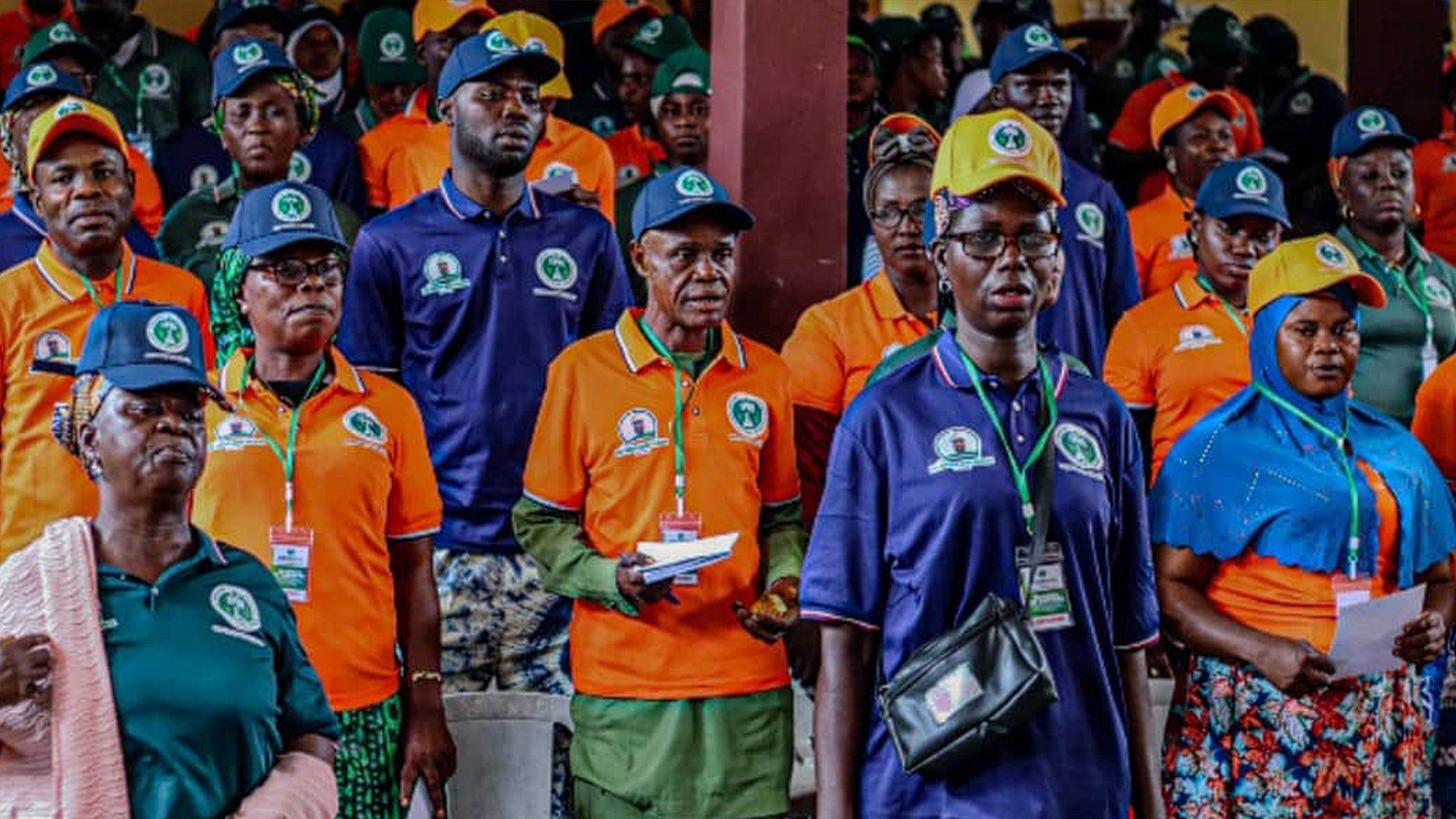
The Federal Government has trained 500 farmers – male and female on cultivation of leafy vegetable (Amaranth, Celosia, Corchorus), as part of efforts to boost food security in the country.
The training, through the Federal Ministry of Agriculture and Food Security, in conjunction with National Horticulture Research Institute (NIHORT), held at Abigi, Ogun waterside Local Council, Ogun State, also included the provision of agricultural equipment (knapsack sprayers, rainboots, farm coats, plastic crates) and starter pack (cash) for the participants to kick start the production of leafy vegetables in their various communities.
Aside the production of leafy vegetable, the participants were also taught economics of production of the selected vegetables and marketing, as well as record keeping during the training.
The aim of the training was to build the capacity of these farmers on production of these vegetables to encourage diversification into horticultural crops production, especially the production of vegetables which are short duration crops and serve as a viable means of income.
The CEO/Executive Director of NIHORT, Professor Muhammed Lawal Attanda, represented by the Training Coordinator, Hort Consultancy Ventures Limited, Dr Joel Akindele Akinfasoye, stressed the economic importance of Amaranth, Celosia and Corchorus as they are highly demanded by Nigerians and possesses high nutritional, medicinal as well as industrial and commercial values.
He also brought to the knowledge of the participants the high prospect in production of the vegetables, noting that it is imperative to create awareness for the farmers on improved production techniques of the vegetables.
In conclusion, the Executive Director implored participants to pay critical attention to all the modules taught in order to make the best use of this golden opportunity.
Abiodun Abudu-Balogun ably represented by Rev. Banji Williams appreciated the participants for making out time to attend the capacity building programme, he encouraged them to make good use of the knowledge gained to their economic and health benefit.
Two of the participants – Mrs Oseni Musidat and Mr Bakare John expressed gladness in being part of the training and empowerment programme. John observed that the selected areas of training- leafy vegetable production were timely due to the fact that cassava which is a prominent crop among them is experiencing low pricing due to glut. Thus, the farmers can diversify into leafy vegetable production which would serve as an additional and viable source of income.

