 Follow Us on Google News
 Follow Us on Google Discover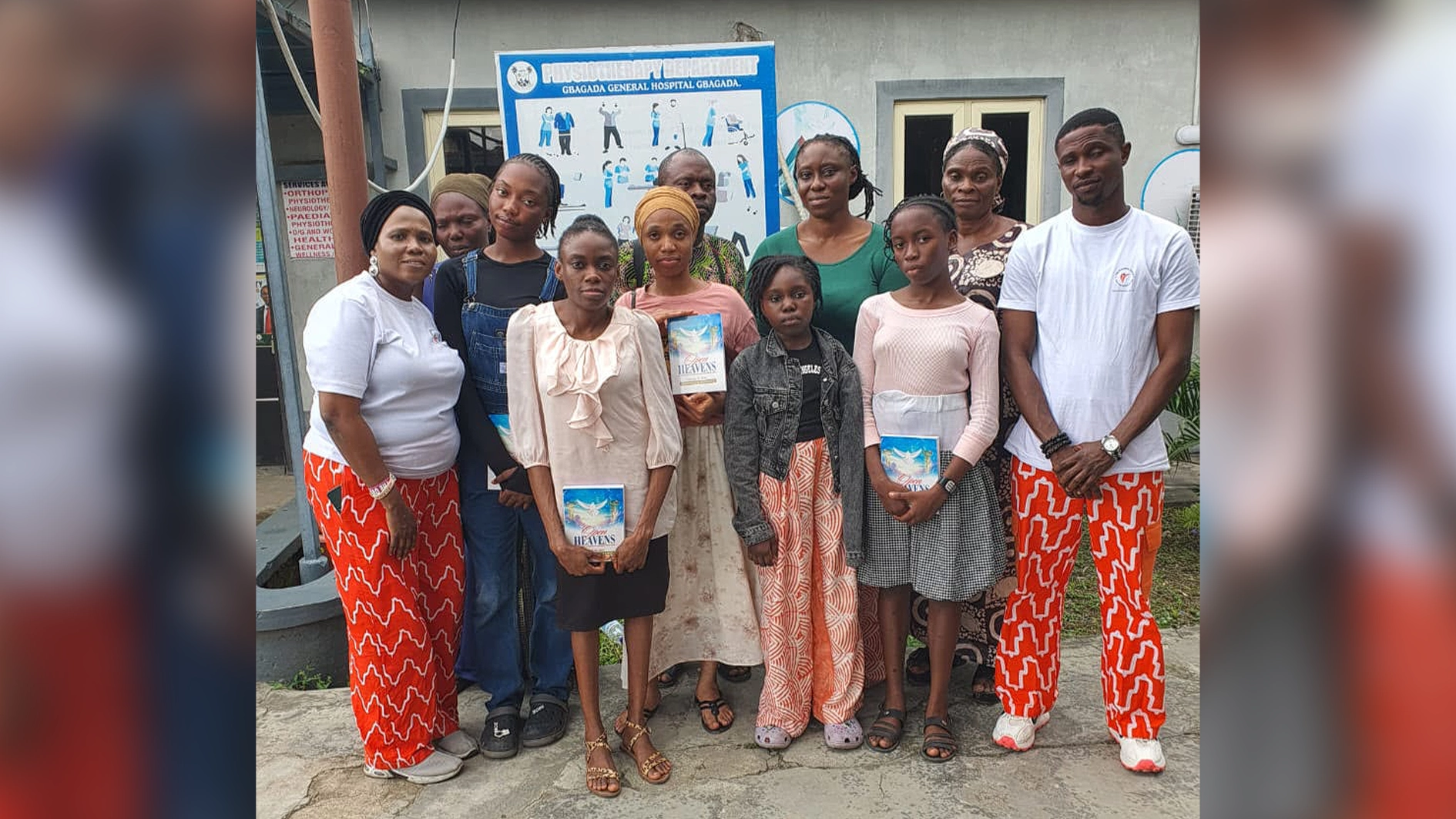
The Scoliosis Focus Foundation, under the leadership of its Founder, Dr. Ayomide O. B. Akintan-Adejuwon, successfully held the maiden edition of its Scoliosis foundation Support Group Meeting in conjunction with the Physiotherapy Department at Gbagada General Hospital, Lagos, bringing together individuals living with scoliosis, their parents, caregivers, and healthcare professionals in a pioneering effort to promote education, emotional support, and holistic care for people affected by the condition.
The inaugural gathering created a safe, welcoming, and supportive environment where participants shared their personal experiences, challenges, and triumphs while building meaningful relationships with others on similar journeys. The initiative aims to reduce the isolation often experienced by individuals living with scoliosis by fostering a strong community built on empathy, knowledge, and hope.
In her welcome address, Dr. Akintan-Adejuwon described the meeting as the fulfillment of a long-held vision to establish a platform where people living with scoliosis can freely express themselves, receive accurate information, and access the emotional support needed to navigate the condition with confidence.
Reflecting on her personal journey, she explained that the support group was born out of a desire to ensure that others would not have to endure the emotional and psychological struggles she once faced. She emphasized that beyond the physical deformity, scoliosis often affects an individual’s self-esteem, mental well-being, social interactions, and overall quality of life, making emotional support just as important as medical treatment.
She further noted that the Foundation remains committed to raising awareness about scoliosis, promoting early detection, encouraging timely intervention, and advocating for comprehensive multidisciplinary care involving spine surgeons, physiotherapists, psychologists, orthotists, and other healthcare professionals.
The Chief Spine Surgeon, Dr. Mutaleeb Ayodele Shobode, held an engaging interactive session with participants and their parents, providing clear, evidence-based answers to their questions about scoliosis. His discussion covered the causes, diagnosis, treatment options, and long-term management of the condition, while addressing common misconceptions. The session fostered a relaxed and friendly atmosphere, allowing attendees to openly express their concerns and leave with a better understanding of scoliosis and renewed confidence in its management.

Mr. Olusola Egbetogun, a Physiotherapist at Gbagada General Hospital also delivered an insightful presentation on scoliosis, explaining that it is a three-dimensional abnormal curvature of the spine that can occur in children, adolescents, and adults. He highlighted common signs and symptoms, including uneven shoulders, prominence of one side of the rib cage, uneven waistline, trunk imbalance, back pain in some cases, and changes in posture.
He stressed that early detection remains one of the most important factors in achieving favourable treatment outcomes, as prompt intervention can slow progression of spinal curvature and, in many cases, reduce the need for more invasive treatment.
Mr. Egbetogun also emphasized the critical role of physiotherapy in the conservative management of scoliosis. According to him, physiotherapy helps improve posture, strengthen the muscles supporting the spine, enhance flexibility, increase balance and core stability, reduce pain where present, improve breathing mechanics in severe curves, and enhance overall functional independence and quality of life. He explained that specialized scoliosis-specific exercise programmes, when combined with regular monitoring and appropriate medical care, can significantly improve physical function and help individuals maintain active, productive lives.
Delivering an inspiring goodwill message, the Assistant Director of the Physiotherapy Department, Mrs. Toyin Odutola, encouraged participants to embrace self-confidence and reject the stigma often associated with physical differences.
She urged individuals living with scoliosis to see beyond their diagnosis and appreciate their unique strengths, reminding them that confidence, resilience, and self-acceptance are powerful tools in overcoming emotional barriers. She encouraged participants to look in the mirror with pride, emphasizing that scoliosis should never define their identity or limit their aspirations.
The meeting also featured a presentation on the psychological impact of scoliosis by Mr. Damilare Ashani, who highlighted the importance of mental and emotional support throughout the treatment journey.
He explained that living with scoliosis can sometimes lead to anxiety, low self-esteem, body image concerns, social withdrawal, and emotional distress, particularly among adolescents. He therefore encouraged parents and caregivers to create supportive home environments by listening without judgment, offering encouragement rather than criticism, celebrating every milestone regardless of how small, and remaining attentive to signs of emotional distress. He advised families to seek professional psychological support whenever necessary, noting that early counselling intervention can improve coping skills, strengthen resilience, and promote better emotional well-being.
Addressing the participants directly, Mr. Ashani encouraged them to openly express their feelings, remain engaged in hobbies and activities they enjoy, focus on what their bodies are capable of achieving rather than their physical appearance, and maintain healthy friendships and social connections.
He concluded with a powerful reminder that resonated throughout the meeting:
“Scoliosis is something you have; it is not who you are.”
The maiden edition of the Scoliosis Focus Support Group ended on a hopeful and inspiring note, with participants expressing appreciation for the opportunity to learn, connect, and find reassurance in a community that understands their experiences.
The event underscored the importance of a multidisciplinary approach to scoliosis management, where medical care is complemented by physiotherapy, psychological counselling, patient education, family support, and community engagement. Healthcare professionals at the meeting emphasized that while scoliosis may present lifelong challenges for some individuals, early diagnosis, appropriate treatment, regular physiotherapy, emotional support, and continuous follow-up can significantly improve physical function, mental well-being, and overall quality of life.
The Scoliosis Focus Foundation reaffirmed its commitment to sustaining the support group as a regular platform for education, advocacy, and empowerment, while working to increase public awareness and improve access to comprehensive scoliosis care across Nigeria.

