 Follow Us on Google News
 Follow Us on Google Discover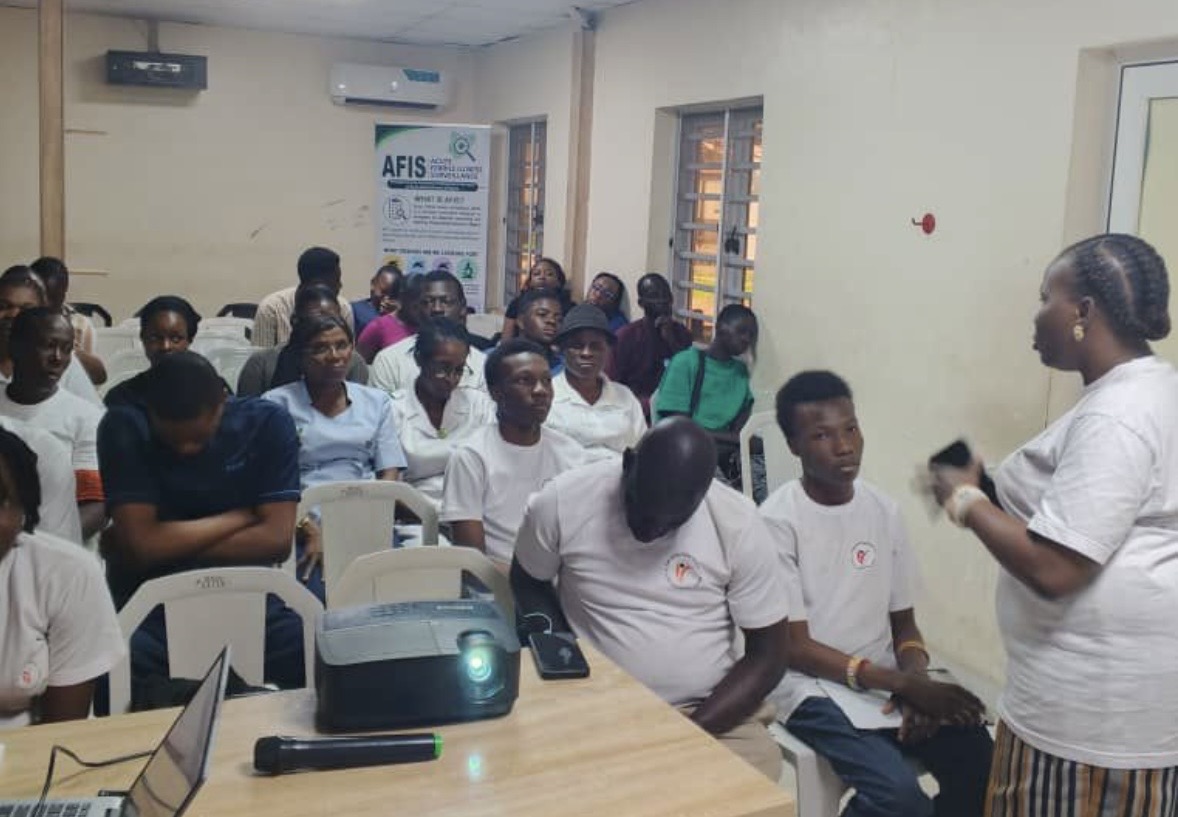
The Scoliosis Focus Foundation has held a scoliosis screening and training programme at Gbagada General Hospital, Lagos, as part of efforts to improve early detection and management of the spinal condition.
The programme, which attracted more than 50 participants, brought together healthcare workers, people living with scoliosis, parents and caregivers, as well as medical and mental health professionals.
The Founder of the Foundation, Dr Ayomide Akintan-Adejuwon, said the training was the second edition held at the hospital and was designed to equip healthcare workers in paediatrics, physiotherapy and nursing with skills to detect scoliosis early.
She said participants were also trained on how to use a scoliometer, an instrument used to assess spinal curvature.
Akintan-Adejuwon said the programme included contributions from physiotherapists, spine specialists and mental health professionals, stressing the need for a multidisciplinary approach to scoliosis care.
Chief Spine Surgeon, Dr Mutaleeb Ayodele Shobode, also educated participants on scoliosis, addressing questions about the condition, its diagnosis, treatment and management.

He also shared his experience of managing patients with scoliosis and highlighted the importance of seeking appropriate medical care rather than relying on misconceptions surrounding the condition.
Consultant Family Physician at Gbagada General Hospital, Dr Gbolahan Abideen, who chaired the event, said the Scoliosis Focus Foundation was helping to address the lack of awareness surrounding the condition.
He said many people were still unaware of scoliosis, while others were surrounded by myths that could prevent them from seeking appropriate care.
According to Gbolahan, the Foundation’s programmes were important because they sought to institutionalise not only the diagnosis of scoliosis but also its proper management.
A Consultant Physiotherapist from Babcock University, Adebowale Adedayo, said people living with scoliosis in Nigeria still lacked adequate representation and support.
Adedayo, who has managed scoliosis for nearly 10 years, said some parents only became aware of scoliosis when their children were diagnosed, while others could deny the condition and delay treatment.
He said severe scoliosis could affect a person’s quality of life and self-image, adding that appropriate support was not readily available to many patients.
“Presently, we don’t have something substantial to say that supports scoliosis right now in the country,” he said.
A clinical psychologist at Gbagada General Hospital, Damilare Ashani, said people living with scoliosis could experience anxiety, depression, low self-esteem and concerns about their body image.
He said these challenges could be particularly difficult for adolescents, who may worry about bullying, social acceptance and their physical appearance.
Mental health therapist, Titi Akintan, said healthcare workers had a role to play in counselling and encouraging young patients, noting that emotional support should form part of scoliosis management.

