 Follow Us on Google News
 Follow Us on Google Discover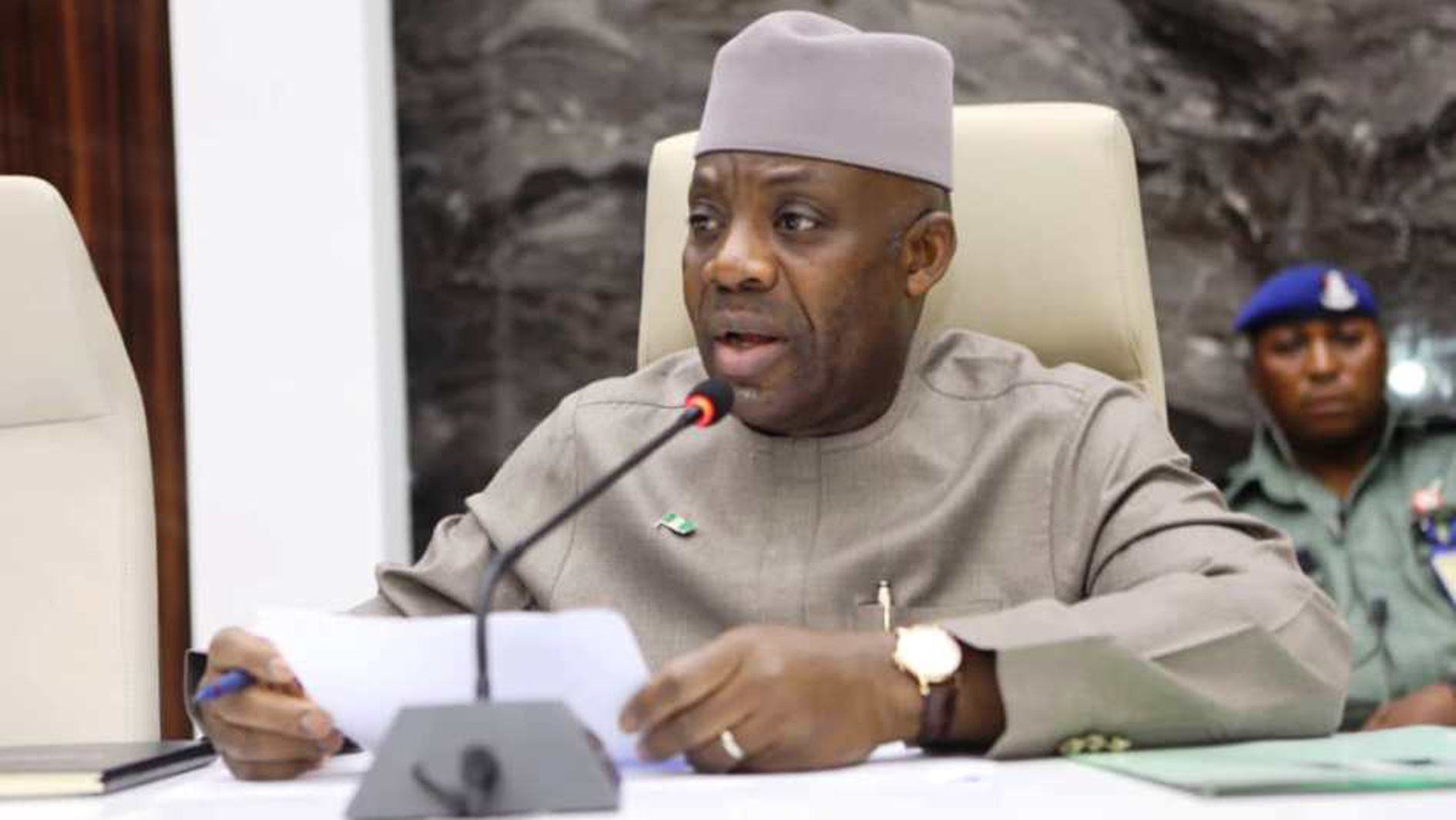
The Minister of Education, Dr Tunji Alausa, has declared that education remains central to President Bola Tinubu’s ambition of building a $1 trillion Nigerian economy by 2030, saying ongoing reforms in the sector are deliberately designed to produce a globally competitive workforce capable of driving national development.
Alausa said the Federal Government is making strategic investments in human capital development, skills acquisition and tertiary education to transform Nigeria’s youthful population into a demographic dividend and position the country as a major supplier of skilled manpower to Africa and the global labour market.
Speaking with journalists at the weekend, the Minister said the administration is repositioning the education sector to meet the demands of the 21st-century economy while laying the foundation for sustainable prosperity.
“We want to be the manpower supplier of the world. We need to produce competent, skilled and educated young Nigerians who will drive our economy, contribute to Africa’s growth and compete successfully across the world,” he said.
According to him, education will remain the driving force behind President Tinubu’s Renewed Hope Agenda and his vision of building a $1 trillion economy by 2030.
“As the President advances his vision of building a one trillion-dollar economy, education will remain at the centre of that transformation,” Alausa stated.

The Minister disclosed that one of the administration’s major interventions has been the aggressive expansion of admissions into health-related programmes to address the shortage of critical healthcare professionals across the country.
He revealed that annual enrolment into nursing schools has increased from about 20,000 students before the current administration assumed office to approximately 50,000 students, while admissions into medicine, pharmacy and dentistry have also been significantly expanded.
Expressing confidence in the reforms, Alausa said the country would, within the next few years, overcome the shortage of healthcare professionals as thousands of newly trained graduates enter the workforce.
He attributed the progress recorded in the sector to President Tinubu’s commitment to education, describing it as the bedrock of Nigeria’s economic transformation and a strategic pillar of the administration’s development agenda.
The Minister also assured Nigerians that the Nigerian Education Loan Fund (NELFUND) has been deliberately structured on a sustainable financing model capable of supporting generations of students.
According to him, President Tinubu has consistently directed ministers and heads of government institutions to ensure that major reforms introduced by the administration are designed to outlive the present government.
“There is no value in introducing policies that cannot stand the test of time. Sustainability is central to this administration’s philosophy, and that principle guided the design of NELFUND,” he said.
On industrial harmony within Nigeria’s tertiary institutions, Alausa credited President Tinubu’s leadership style, anchored on dialogue, trust and mutual respect, for restoring confidence between the Federal Government and academic and non-academic staff unions.
He noted that the administration approached negotiations with sincerity and openness while ensuring that agreements reached remained realistic, affordable and implementable.
The Minister recalled that President Tinubu fulfilled his commitment to pay 50 per cent of the withheld salaries inherited from previous disputes within months of assuming office, a move he said demonstrated credibility and rebuilt trust between the government and university unions.
He added that the administration also approved a salary increase of nearly 40 per cent for workers in tertiary institutions as part of broader efforts to improve staff welfare while maintaining fiscal responsibility.
According to him, the renewed atmosphere of industrial peace is already producing measurable outcomes across Nigeria’s higher education sector.
Alausa pointed to the latest Times Higher Education World University Rankings, which recorded an increase in the number of Nigerian universities recognised globally from 21 to 24, with public universities reclaiming the top positions nationally for the first time in many years.
He described the development as evidence that the Federal Government’s education reforms are yielding tangible results, adding that the improving global competitiveness of Nigerian universities reflects the impact of sustained investments in education and institutional stability.
The Minister reaffirmed the commitment of the Federal Ministry of Education to implementing transformative policies that expand access to quality education, strengthen human capital development and prepare Nigerian youths to compete and excel in a rapidly changing global economy.
He stressed that under President Tinubu’s Renewed Hope Agenda, education would remain the foundation for sustainable economic growth, national development and shared prosperity.
“Our commitment is to continue implementing reforms that will unlock the full potential of Nigeria’s greatest asset—its people,” he added.

