 Follow Us on Google News
 Follow Us on Google Discover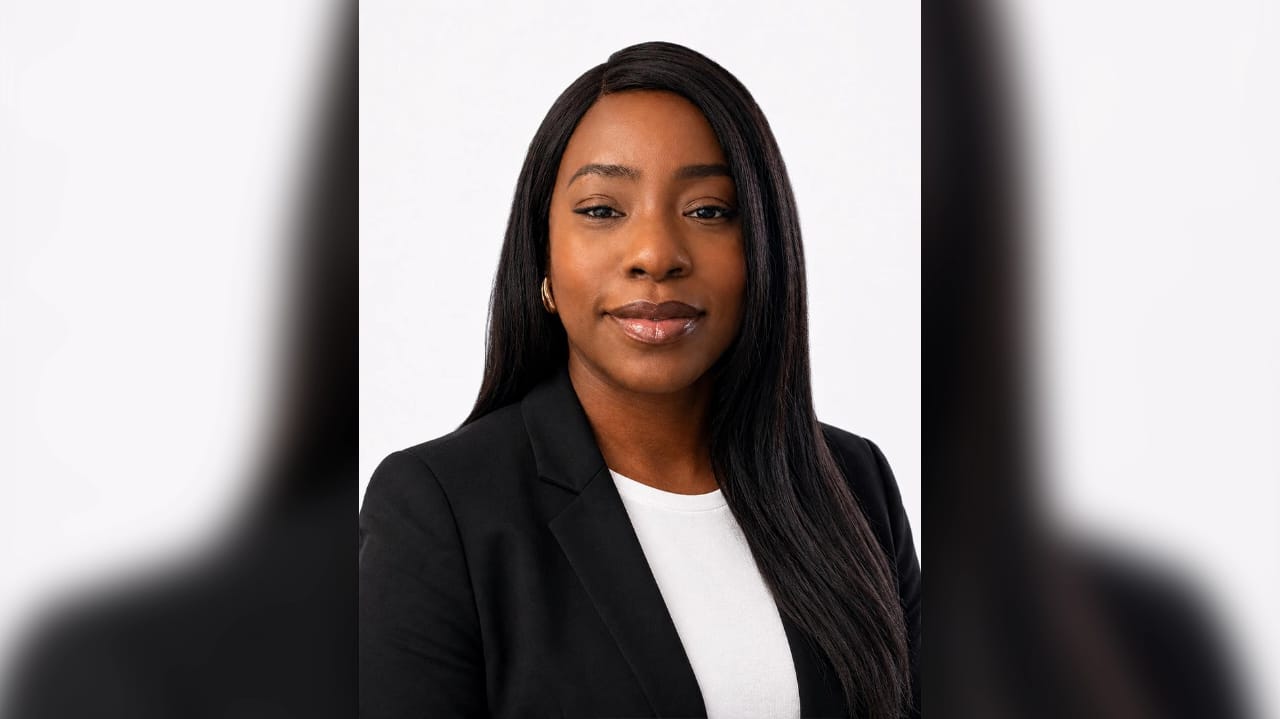
Ore Onagbesan, Programme Director of African Energy Week, explains the central thinking behind AEW 2026, how the programme reflects the differing priorities of African energy markets and why the continent’s development needs are reshaping the conversation around energy access, industrialisation and investment.
As Programme Director, what central question do you want every government, investor and energy executive attending AEW 2026 to confront?
The central question I want every government, investor and energy executive to confront is this: How do we deliver affordable and abundant energy to Africans, at scale and with urgency?
For too long, discussions have focused on developing energy resources without placing equal emphasis on how those resources improve lives, power industries and strengthen economies. Africa cannot industrialise without energy, and it cannot achieve energy security if domestic markets remain underserved. The continent’s vast oil, gas, hydro, coal and renewable resources must first and foremost support economic transformation at home.
That means asking some difficult questions. Are we creating the right policy and regulatory environments to encourage long-term private investment? Are we giving indigenous companies the capital and commercial opportunities they need to grow? How do we accelerate investment in domestic gas infrastructure so that affordable gas reaches power plants, manufacturers, transport systems and households rather than being exported exclusively? And how do we ensure that every major energy project creates wider economic value through local content, industrial development and job creation?
Equally important is how African countries work together. No single country can solve the continent’s energy challenge alone. Greater regional collaboration through cross-border gas pipelines, interconnected electricity grids, regional power pools and integrated energy markets will be essential to improving energy security, increasing intra-African trade and creating larger, more bankable markets for investors.

Ultimately, I hope every delegate leaves AEW 2026 asking not simply, “How do we produce more energy?” but, “How do we translate Africa’s extraordinary resource wealth into affordable energy, competitive industries and shared prosperity for its people?”
If we can answer that question collectively, we will have taken a significant step towards making energy poverty history.
What distinguishes the 2026 programme from previous editions of African Energy Week—not simply in the number of speakers or sessions, but in its strategic direction?
What distinguishes the 2026 programme is not simply the scale of the event, but the strategic shift in how we are framing Africa’s energy future.
Our theme, “Affordable and Abundant Energy for Africa,” reflects a deliberate move away from a singular energy-transition narrative towards a more pragmatic and development-focused approach.
We believe Africa’s greatest challenge is not transitioning from one energy source to another. It is adding enough energy capacity to power economic growth, industrialisation and universal energy access.
For too long, the global energy conversation has been framed around which energy sources should be phased out. Africa’s reality is different. More than 600 million people still lack access to electricity, while nearly one billion people lack access to clean cooking solutions.
The priority for African countries must therefore be to bring more energy online, faster, using the resources available to them. Whether those resources are hydro, natural gas, solar, wind, geothermal, coal, oil or nuclear, each country should have the sovereign right to determine the energy mix that best supports its development objectives.
This philosophy is reflected throughout the programme. Rather than focusing on individual energy sources in isolation, we are examining how all forms of energy can contribute to expanding power generation, supporting industrialisation, strengthening energy security and improving quality of life.
Our agenda therefore spans oil and gas, power generation, transmission infrastructure, renewables, energy storage, critical minerals, downstream development and emerging technologies that can improve the efficiency and sustainability of energy systems.
One of the most significant developments for 2026 is the expansion of our power content through the Power Africa Today Forum, which will run across three days of African Energy Week.
The forum reflects growing recognition that electricity access is the foundation of economic development. Without reliable power, Africa cannot industrialise, attract manufacturing, develop competitive digital economies or improve social outcomes.
It will bring together utilities, power developers, financiers, regulators and government leaders to address the policies, investments and infrastructure required to accelerate electricity additions across the continent.
Another major evolution is our increased focus on technology, digital infrastructure and artificial intelligence. As AI adoption accelerates globally and data centres become major consumers of electricity, the intersection between technology and energy is becoming increasingly important.
We have seen how AI is improving grid management, operational efficiency, predictive maintenance and energy planning in more advanced markets. Africa has an opportunity to leverage these technologies to accelerate development rather than simply follow traditional growth pathways.
Through our dedicated AI and technology platform, Renegade Intel, we are working with leading global technology companies, including Microsoft, Google and AIQ, alongside African policymakers, utilities and energy companies.
The objective is to explore how AI can strengthen institutions, improve service delivery, optimise energy systems and support more informed decision-making. It is not simply to discuss technology, but to ensure African leaders understand how digital innovation can be applied to real energy and development challenges.
Ultimately, AEW 2026 represents a broader and more integrated vision for Africa’s energy future—one that recognises that energy access, industrialisation, technology adoption and economic growth are deeply interconnected.
The programme is designed to move beyond ideological debates and focus on the practical actions, investments and partnerships required to deliver affordable, abundant and reliable energy for Africans.
How do you decide which issues deserve prominence on the programme when African countries have significantly different priorities, ranging from upstream investment and gas development to electricity access, renewables and industrialisation?
The programme is built on the principle that there is no one-size-fits-all solution to Africa’s energy future.
Every country is at a different stage of development, has a different resource base and faces its own policy, infrastructure and investment challenges. Our role is to reflect that diversity while identifying the common priorities that unite the continent.
Each year, we work closely with our knowledge partner, S&P Global Energy, to produce the annual State of African Energy Outlook Report. The report combines market intelligence, investment data and project analysis to identify emerging trends, investment hotspots and the sectors attracting the greatest capital.
It is this evidence-based approach that has shaped the evolution of African Energy Week.
While the event began with a strong focus on upstream oil and gas, the data has consistently shown growing opportunities across power, renewables, gas-to-power, energy infrastructure and, more recently, digital infrastructure, artificial intelligence and data centres as major drivers of future energy demand.
Alongside these continental themes, we identify the cross-cutting issues that affect almost every African market—access to finance, infrastructure development, regulatory certainty, local content, project execution and regional energy integration.
These challenges are relevant whether a country is developing an offshore oil project, expanding its electricity network or scaling renewable-energy capacity.
At the same time, we recognise that each market requires a tailored conversation. That is why our Invest in Country sessions remain one of the most valuable components of the programme.
These sessions provide dedicated platforms for governments, national oil companies, utilities, regulators, developers and investors to examine country-specific priorities.
That could include a new licensing round in Angola, gas monetisation in Nigeria, offshore development in Namibia, electricity-market reforms in South Africa or renewable-energy expansion in Côte d’Ivoire.
By bringing together public- and private-sector leaders, these discussions provide investors with a comprehensive understanding of each country’s policy direction, commercial opportunities and operating environment.
Many of these conversations continue year after year, particularly in key markets such as Nigeria, Angola, Namibia, the Republic of the Congo and South Africa.
This continuity is important because it allows us to measure progress, revisit commitments, showcase reforms and demonstrate how dialogue has translated into investment decisions, strategic partnerships and projects that expand energy access, strengthen industrialisation and drive economic growth.

