
 Get Guardian on Google
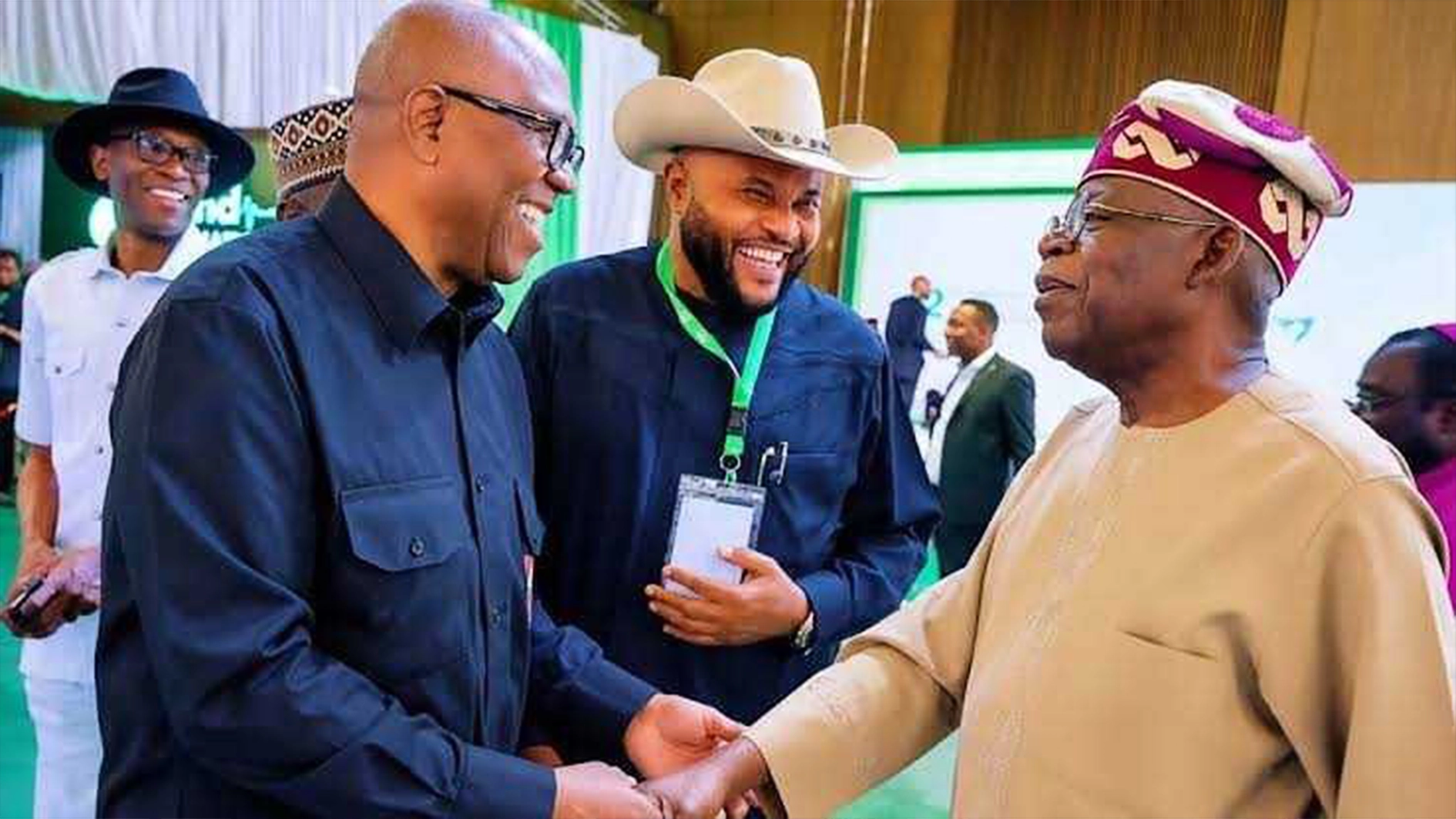
The presidential candidate of the Nigeria Democratic Congress (NDC), Peter Obi, has challenged President Bola Tinubu to explain how his administration has spent the ₦15.8 trillion reportedly saved from fuel subsidy removal and more than $100 billion in borrowings.
Obi said Nigerians deserved a clear account of the resources generated through subsidy removal, increased government revenue and taxation, particularly their impact on citizens’ living conditions.
In an open letter titled “Good Day, Mr President: Nigerians Deserve Accountability,” the former Anambra State governor urged Tinubu to use his visit to Akwa Ibom State to address questions about the management of public funds.
He asked the President to provide measurable evidence of how the resources had improved the welfare of Nigerians.
Obi specifically demanded figures showing how many people had been lifted out of poverty, how many out-of-school children had returned to classrooms and how many functional primary healthcare centres had been established.
He also questioned the administration’s performance in the power sector, recalling Tinubu’s promise that Nigerians should not vote for him if he failed to fix electricity supply.

On security, the NDC candidate said the government owed citizens an explanation of its efforts to tackle terrorism and insecurity across the country.
He argued that increased revenue and borrowing should translate into visible improvements in public services and living standards.
“Nigerians deserve answers. They deserve to know what has been done with the resources entrusted to your government,” Obi said.
He also congratulated Tinubu on spending a night in a state outside Lagos and Abuja, expressing hope that the President would visit more parts of the country and engage directly with citizens.
Obi said the Nigeria he envisioned must be founded on accountability, transparency and measurable results from public spending.
He ended the letter by reiterating his message that a new Nigeria was possible.
The challenge comes as the management of subsidy savings, rising public debt and the impact of economic reforms become increasingly prominent issues in the political debate ahead of the 2027 general election.