 Follow Us on Google News
 Follow Us on Google Discover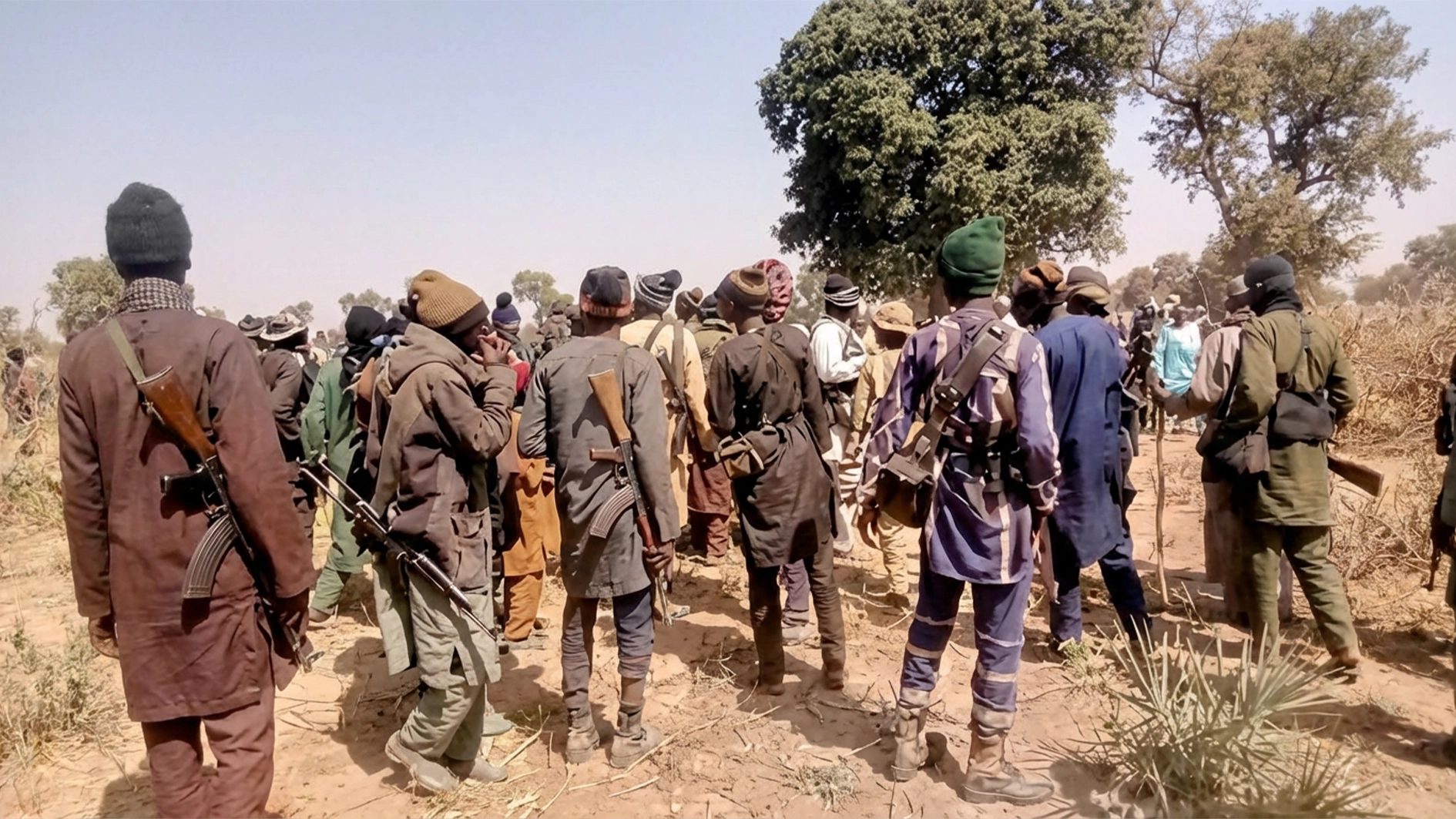
By Joe Ejiofor
The Nigerian child born today deserves more than a future defined by fear. He deserves to attend school without the threat of abduction. She deserves to travel the nation’s highways without wondering whether kidnappers lie in wait. Farmers deserve to cultivate their land without fleeing from armed bandits.
Families deserve to sleep through the night without anxiety. Above all, every Nigerian deserves to live in a country where peace, justice and opportunity are not privileges, but guarantees.Yet, for too many citizens, this vision remains painfully distant.
Almost every day, the headlines tell a familiar story, another community attacked by terrorists, another victim abducted for ransom, another cache of illicit drugs intercepted, another young life wasted by substance abuse, another ritual killing, another wave of ethnic or religious tension threatening the fragile bonds that hold the country together.
These tragedies are not isolated events. They are symptoms of deeper structural and moral challenges that demand urgent national attention.
Nigeria stands today at a defining moment in its history. The choice before us is simple: continue down the path of insecurity, distrust and criminality, or consciously reinvent the nation by rebuilding the values and institutions that sustain peaceful societies.

Banditry, terrorism and kidnapping have become some of the greatest threats to Nigeria’s stability. Entire communities have been displaced. Thousands have lost loved ones, homes and livelihoods. Schools have shut their doors in some communities, while farmers increasingly abandon fertile lands because cultivating them has become a life-threatening venture.
The economic consequences are enormous. Food production declines, inflation rises, businesses relocate, investors lose confidence and unemployment deepens. Insecurity is no longer merely a security issue; it is an economic emergency.
Military operations have recorded important successes in degrading criminal groups, but force alone cannot solve the problem. Lasting security requires improved intelligence gathering, better-equipped security agencies, effective policing, stronger border management and meaningful collaboration between government and local communities. Criminals must face swift justice, while innocent citizens must regain confidence in the institutions established to protect them.
Equally disturbing is the growing epidemic of drug trafficking and substance abuse among young Nigerians. Drug addiction destroys ambition, fuels violent crime, weakens families and drains communities of their most valuable resource, their youth.
This challenge calls for a balanced approach. Law enforcement must dismantle drug networks, but equal attention must be given to prevention, rehabilitation and mental health support. Schools, parents, religious institutions and community organisations all have important roles in educating young people about the dangers of substance abuse before addiction takes hold.
Kidnapping, once confined to a few isolated regions, has evolved into a nationwide criminal enterprise. No nation can flourish when citizens live in fear of travelling for work, education or family obligations.
Technology must become a powerful weapon in the fight against crime. Surveillance systems, forensic investigations, digital intelligence and improved emergency response capabilities should complement conventional policing. Criminals should never be allowed to believe that crime pays.
Beyond physical violence lies another dangerous threat, ethnic and religious intolerance.
Nigeria’s diversity is one of its greatest blessings. More than 250 ethnic groups and multiple religious traditions should make the country a rich tapestry of cultures and ideas. Unfortunately, politicians and other vested interests sometimes exploit these differences, creating suspicion where trust should exist and hatred where unity should flourish.
No nation divided against itself can achieve sustainable development. Reinventing Nigeria requires citizens to see themselves first as Nigerians before identifying with tribe, religion or region. Diversity should unite rather than divide us.
The disturbing increase in ritual killings reflects a deeper crisis of values. The obsession with instant wealth has led some individuals to believe that prosperity can be achieved through violence and superstition rather than hard work, innovation and enterprise.
This dangerous mindset must be confronted through education, moral leadership and stronger law enforcement. Wealth acquired at the expense of human life is not success; it is a tragic failure of conscience.
Education remains Nigeria’s greatest instrument of transformation. Beyond producing graduates, our educational institutions must cultivate responsible citizens. Character, integrity, civic responsibility, entrepreneurship, digital literacy and critical thinking should receive as much attention as academic achievement.
A nation that educates only the mind while neglecting character risks producing intelligent criminals instead of responsible leaders.
Youth empowerment is equally indispensable. Millions of talented young Nigerians possess the creativity and determination to transform the country if given the right opportunities. Investment in technical education, vocational skills, innovation hubs, agriculture and small businesses will reduce unemployment and weaken the attraction of criminal activities.
Government cannot achieve this transformation alone.
Parents must teach integrity by example. Religious leaders must preach peace and tolerance rather than division.
Traditional rulers should continue promoting community harmony. The media must report responsibly without amplifying hatred or misinformation. Civil society organisations should hold public institutions accountable, while the private sector must expand investments that create jobs and strengthen local communities.
Every Nigerian has a stake in rebuilding the nation.
Perhaps the most important reinvention Nigeria needs is not political or economic, but moral. Great nations are not built solely by constitutions, budgets or infrastructure. They are built by citizens who believe in honesty, justice, discipline, compassion and respect for the rule of law.
Nigeria has repeatedly demonstrated extraordinary resilience. Despite economic hardships, security challenges and political uncertainties, millions of Nigerians continue to work honestly, innovate tirelessly and contribute positively to their communities every day. They represent the true face of the nation and offer hope that a better future is within reach.
Reinventing Nigeria will require courage from leaders, responsibility from citizens and commitment from every institution. It demands that we reject violence over dialogue, integrity over corruption, unity over division and hope over despair.
The journey may be long, but every national transformation begins with a shared decision to change.
The Nigeria we dream about is not beyond our reach. It is waiting to be built, one responsible citizen, one accountable institution and one courageous decision at a time.
Ejiofor is a public affairs analyst and higher education administrator, currently serving as Deputy Registrar at Yaba College of Technology, Lagos.

