 Follow Us on Google News
 Follow Us on Google Discover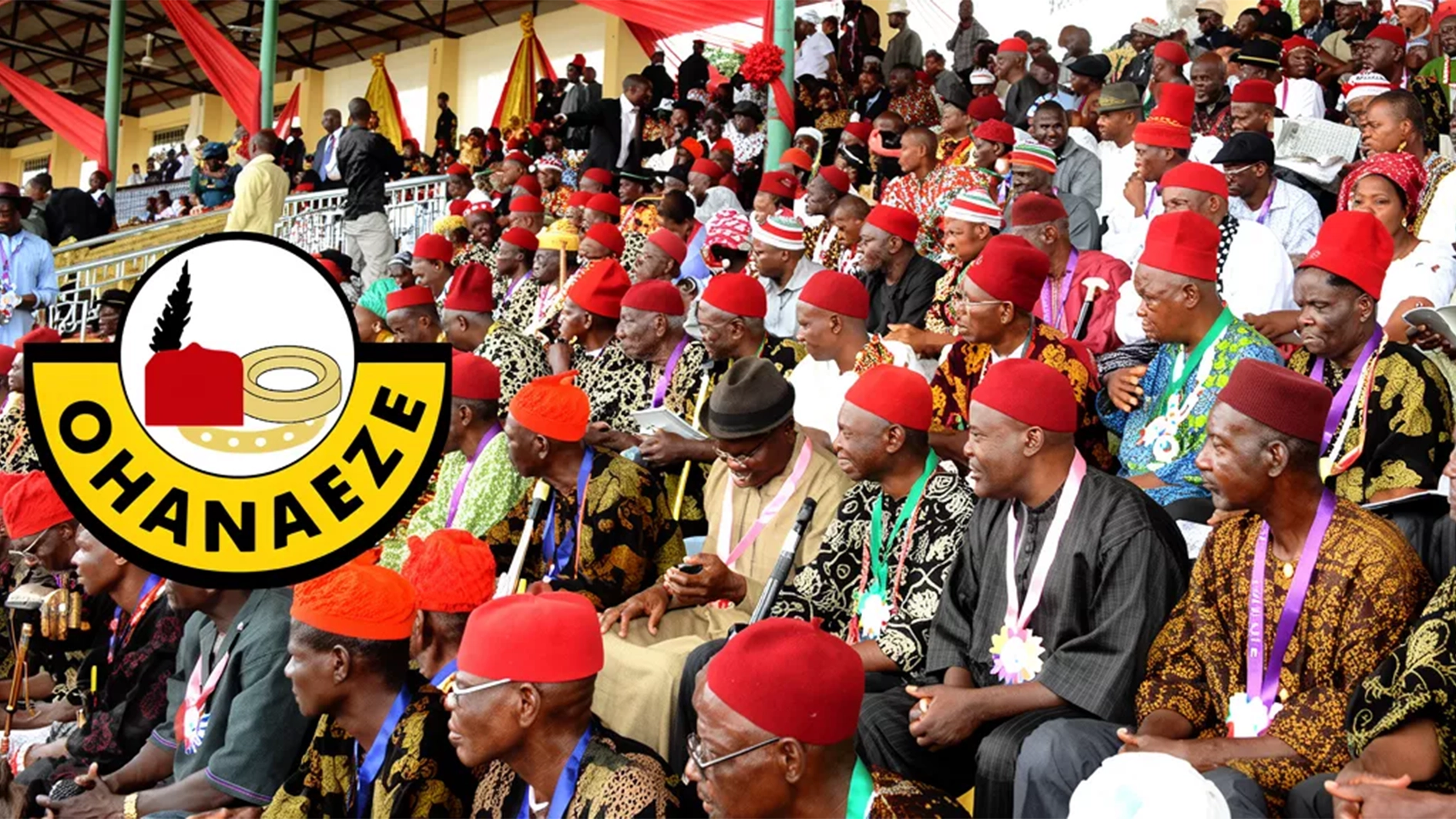
More reactions and condemnations have followed the recent statements by the Islamic cleric, Sheikh Sani Yahaya Jingir, at a gathering in Kano, with the South-East Leaders Assembly and the National Human Rights Commission (NHRC) describing them as provocative, divisive, and hate speech.
On its part, the NHRC called for the immediate arrest and prosecution of the cleric, accusing him of inflammatory remarks capable of stoking religious hatred and violence ahead of the 2027 elections.
The NHRC Executive Secretary, Tony Ojukwu, SAN, made the demand on Monday after the commission reviewed a viral video in which Jingir advocated religiously exclusive politics, described people of other faiths as “infidels,” and urged his supporters to obtain their Permanent Voter Cards to “show their limits.”
Jingir reportedly described Nigeria as an Islamic country and suggested that those who disagreed with the position should leave the country.
In a statement yesterday by his Press and Publicity Secretary, Ambassador Prince Decson, the Coordinator-General of the assembly, Kenneth Oti, described the remarks as troubling and warned that such statements could heighten religious tensions and undermine national unity.
He stressed that Nigeria, as a multi-religious and multi-ethnic nation, belongs to all its citizens, regardless of status, and that they are entitled to equal rights and protection under the Constitution.

According to him, no individual, religious leader or group has the authority to declare fellow Nigerians strangers in their own country on the basis of their faith or beliefs.
Noting that religious leaders, due to their influence in society, have a special responsibility to promote peace, tolerance, mutual respect and national cohesion, Oti warned that statements portraying Nigeria as exclusive to one religious community, or suggesting that citizens who disagree with such views should leave the country, could deepen suspicion and inflame religious tensions.
Therefore, he urged Jingir and other public and religious figures to exercise restraint and responsibility in their public pronouncements. The South-East leaders also appealed to Nigerians not to respond to provocative rhetoric with counter-provocation, hatred, or violence, stressing that differences in religion and worldview should not become reasons for citizens to regard one another as enemies.
Meanwhile, Ojukwu said the remarks violated the principles of equality, non-discrimination and peaceful coexistence guaranteed by the 1999 Constitution and Nigeria’s international human rights obligations, warning that such rhetoric could deepen Nigeria’s religious fault lines and create a dangerous environment ahead of the 2027 general elections.
Describing the comments as “hate speech and incitement to religious hatred and potential violence,” he said the commission would not remain silent while influential individuals used religion to mobilise citizens along divisive lines.
“At a time when we are preparing for another general election, such utterances are reckless and dangerous,” Ojukwu said. “They serve no purpose other than to divide Nigerians along religious lines and set citizens against one another.”
Consequently, the NHRC called on the Inspector-General of Police, the Director-General of the Department of State Services and other relevant authorities to immediately arrest and prosecute the cleric.
According to the commission, such prosecution should proceed irrespective of Jingir’s status, influence, or political affiliation, as decisive action would deter other religious and political actors from exploiting faith for electoral gain.

