 Follow Us on Google News


 Follow Us on Google Discover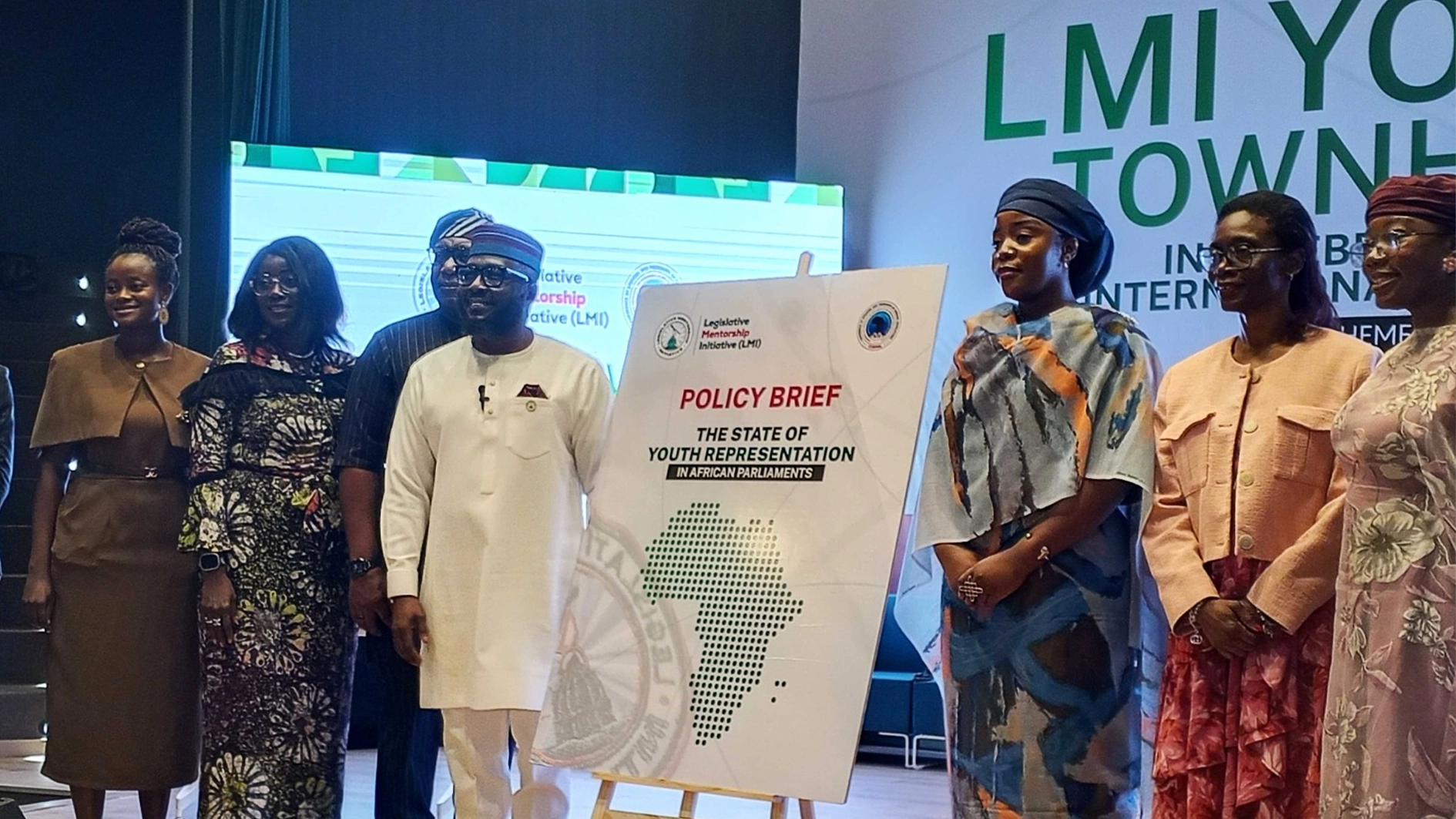
…Urges Inclusivity in Governance
The Legislative Mentorship Initiative (LMI), founded by former Speaker of the House of Representatives and Chief of Staff to the President, Femi Gbajabiamila, has opened applications for its 2026 cohort, in a fresh drive to prepare young Nigerians for leadership and greater participation in governance ahead of the 2027 general elections.
The initiative also called on political parties to deliberately create space for young Nigerians seeking elective office, warning that the country’s youthful population must be better reflected in its political leadership.
The Secretary General of the Conference of Speakers and Presidents of African Legislatures (CoSPAL) and Chairman of the LMI Planning and Advisory Committee, Dapo Oyewole, disclosed this on Thursday in Abuja at a town hall meeting organised by LMI in collaboration with CoSPAL to mark International Youth Day 2026.
Themed “State of Youth in African Parliaments,” the event brought together about 300 young Nigerians and featured the launch of the State of Youth in African Parliaments report.
Oyewole said Gbajabiamila founded LMI to identify promising young Nigerians, equip them with leadership skills, expose them to the workings of government and position them to take up leadership responsibilities.

According to him, the 2026 programme will be the fifth cohort of the initiative, which has continued to attract significant interest from young Nigerians seeking opportunities to contribute to national development.
He disclosed that about 11,000 young Nigerians began applications for the programme last year, while approximately 7,000 completed the process.
Oyewole said the figures demonstrated the growing appetite among Nigerian youths to participate in public-sector leadership and play a role in shaping the country’s future.
He explained that LMI was designed not merely as a training programme but as a platform to “train, equip, expose and position” young Nigerians to serve their country, while building the confidence, experience and networks required for higher leadership responsibilities.
The 2026 intake is open to Nigerians aged between 21 and 35, with about 50 participants expected to be selected, although the organisers may increase the number to 60.
Oyewole said the initiative would maintain its commitment to inclusivity through gender balance, representation from all 36 states and the Federal Capital Territory, as well as participation by persons living with disabilities.
He further disclosed plans to expand LMI’s reach beyond Nigeria and provide leadership development opportunities to young people across Africa.
The LMI chairman also revealed that the initiative was considering reducing its current minimum age of 21 following growing demands from younger Nigerians, including secondary and primary school students who want access to its leadership programmes.
Beyond mentorship, Oyewole said LMI was addressing the wider challenge of youth exclusion from political leadership, particularly as Nigeria approaches the 2027 general elections.
He urged political parties to deliberately identify, support and sponsor young Nigerians seeking elective positions, arguing that the country’s youthful population should be adequately represented in political leadership.
He also advocated measures such as quotas and reserved seats to lower the financial and structural barriers that discourage talented young Nigerians from contesting elections.
According to him, the high cost of politics remains one of the major obstacles preventing young people with leadership potential from translating their abilities into political participation.
Oyewole said LMI represented a practical response to the leadership gap by providing young Nigerians with the skills, exposure and networks required to participate meaningfully in governance.
The programme will feature an intensive three-week boot camp in Abuja, during which selected participants will undergo leadership training and interact with stakeholders in governance and public administration.
Oyewole said the initiative had become an important platform for bridging the gap between Nigeria’s large youthful population and the limited opportunities available to young people to occupy leadership positions.
He stressed that the objective was not to prepare young Nigerians merely to become leaders in the distant future, but to create opportunities for them to begin leading and contributing to governance now.
The initiative, he said, reflects Gbajabiamila’s commitment to building a pipeline of competent young Nigerians capable of assuming leadership responsibilities and contributing to national development.
The first UN Global Advocate for Peace and Security, Mariam Bukhar Hassan, has said. Hassan made the declaration in Abuja while speaking as keynote speaker remarked thay Africa does not have a youth potential problem but an economic dignity problem
She said although opportunities existed across the continent, many young Africans were unable to take advantage of them because such opportunities were not being communicated or structured in ways that enabled young people to access them.
According to her, the continent must move beyond discussions about youth potential and focus on creating systems that give young people meaningful access to economic opportunities.
Hassan also identified mobility as a critical component of youth empowerment and economic development, arguing that the ability of young people to move freely across the continent should not be treated as a luxury even as she noted that the African Continental Free Trade Area was designed to create a vast market, with young people expected to play a major role in driving trade, entrepreneurship and innovation.
She, however, expressed concern that while goods could move across African markets under emerging trade arrangements, young people often faced restrictions that limited their ability to travel and participate fully in those markets. “Mobility in itself is not luxury, it is infrastructure for the young person,” she said, stressing that restrictions on movement undermine the ability of young Africans to participate meaningfully in continental economic integration.
The UN Global Advocate therefore called on the African Union and governments across the continent to urgently find a solution to the mobility challenge by ratifying the African Union Free Movement Protocol. Hassan noted that despite the importance of the protocol, only four AU member states had ratified it, describing broader ratification as essential to unlocking the potential of young Africans and ensuring that they can actively participate in the economic opportunities created by continental integration.
As the 2027 elections draw closer, the LMI leadership pathway is positioned to offer young Nigerians an opportunity to move beyond demands for inclusion and acquire the practical experience, exposure and networks needed to participate effectively in Nigeria’s political and governance processes.

