 Follow Us on Google News


 Follow Us on Google Discover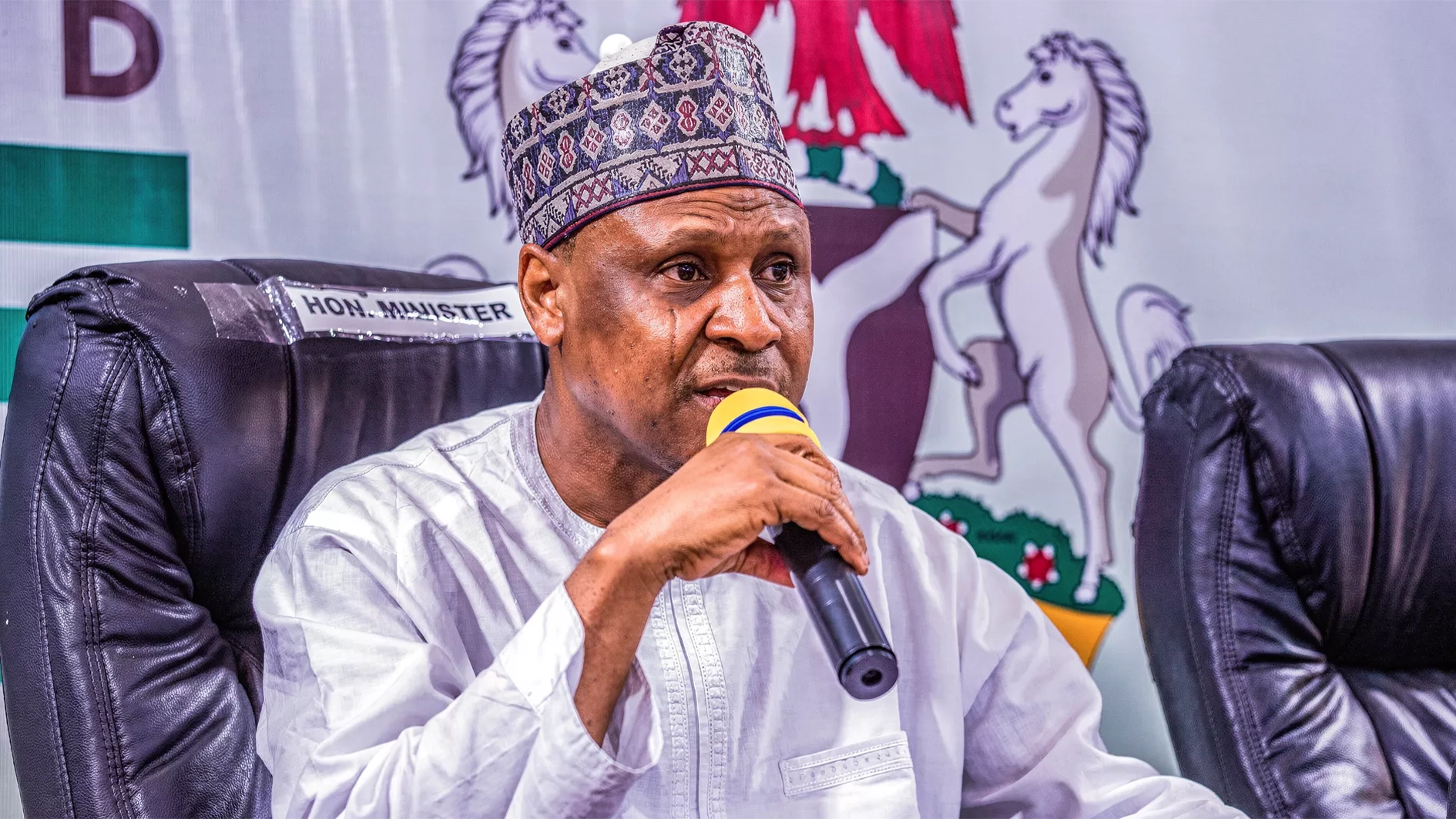
Alaafin urges Yoruba in Diaspora to reconnect with roots
The Federal Government has reiterated its commitment to prioritising security, harnessing Nigerians in Diaspora as a critical asset for national development, and deepening strategic partnerships anchored on mutual respect and trust.
This was contained in a statement, yesterday, by the Special Assistant, Media and Strategic Communications, to the Minister of State for Foreign Affairs, Richard Elesho, quoting the minister, Sola Enikanolaye, during an address at the dinner night of the Nigerian Diaspora Economic Conference in Toronto, Canada.
The minister stated that security remained a major challenge but affirmed that the current administration was “doing everything humanly possible to ensure that we contain these that have been with us in a multifaceted manner for the past 10 or so years.”
“Nigeria is entering a new era of partnership of strategic autonomy with key international partners, including the United States (U.S.),” the minister said.
He said that the strategic engagement was aimed at delivering “core, concrete and positive outcomes for Nigerians in terms of security, prosperity, defence and the welfare of the Nigerian people.”

The minister thanked the organisers of the conference and the Diaspora community “for celebrating the assets of Nigeria,” and reaffirmed government’s resolve to work with all partners to advance the nation’s interests.
MEANWHILE, the Alaafin of Oyo, Oba Abimbola Akeem Owoade I, has urged Yoruba in the Diaspora to reconnect with their cultural and spiritual roots as part of efforts to strengthen their identity and promote self-rediscovery.
Oba Owoade made the call at the weekend, during the grand finale of this year’s World Sango Festival held at the ancient Alaafin’s Palace in Oyo.
According to a statement by his Director of Media and Publicity, Bode Durojaiye, Owoade also called for a broader intellectual study of Yoruba culture, saying that cultural scholarship should move beyond the performing arts to examine the intellectual foundations of the civilisation.
He urged stakeholders to support efforts to promote the study of Sango, sustain the festival in his honour and appropriate the virtues of leadership associated with the former Alaafin.
The monarch said the life, administration and leadership of Alaafin Sango should be subjected to rigorous academic study, particularly at a time when Nigeria was searching for effective models of governance and nation-building.
“The Yoruba Diaspora was an ever-expanding world, next only to the Jews in terms of relevance and number. Sango, indeed, was at the heart of this expanding world of the Yoruba and competing favourably with other religions to explain spiritual and physical mysteries,” he said.
The monarch, therefore, called for greater support for the Sango Festival as part of a broader cultural tourism agenda, as well as increased scholarly attention to Sango’s leadership and heroic attributes.
Owoade expressed confidence that a thorough study of the knowledge system and the society that produced what he described as an archetypal African system in Oyo could provide lessons for addressing some of the challenges facing the country.
He, however, urged Yoruba in the Diaspora to immerse themselves in their religion and traditions for spiritual strengthening, personal fulfilment, global understanding and harmony.
Oba Owoade, who described Sango as a man of valour, purpose and diplomacy, noted that his leadership helped to strengthen Oyo at a formative period when the kingdom was surrounded by powerful states.
He, therefore, called on Yoruba to support their traditions and cultural institutions, saying that doing so would enable the race to retain its distinct identity and make greater contributions to global civilisation.
He also urged parents to teach their children the Yoruba language, saying that proficiency in the indigenous language could enhance children’s ability to learn other languages.

