 Follow Us on Google News



 Follow Us on Google Discover
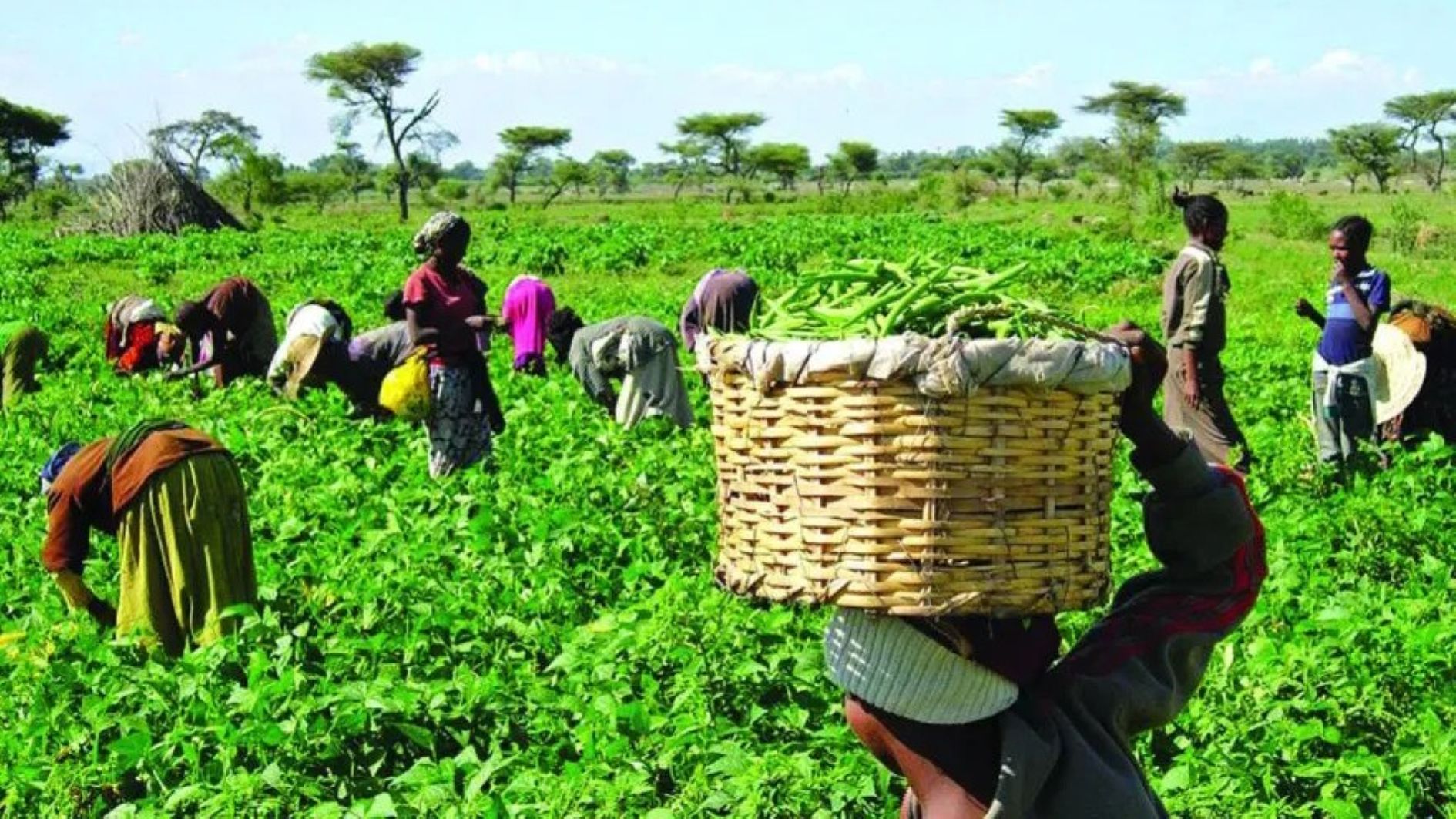
A coalition of 31 organisations in the agrifood systems has raised concern over poor capital budget performance in agricultural sector across the states.
The organizations under the aegis of Community of Agrifood Systems Non-State Actors (COANSA) in a recent study revealed that 22 states spent less than 50 per cent of their agricultural capital allocations in 2023.
The organisation further revealed that the situation persisted in 18 states in 2024 and 15 states in 2025, despite an upward trend in capital budget allocations for agriculture between 2023 and 2026.
COANSA however warned that the poor implementation of agricultural budgets could undermine efforts to boost food production
It said increased public investment and effective expenditure in agriculture could raise internally generated revenue by between 6.22 per cent and 618 per cent, depending on the state, but warned that Nigeria risked losing these opportunities in 2026 if urgent action was not taken.
The representative of COANSA Chairperson Barrister Nkiruka Okonkwo stated this in a statement to commemorate World Food Day 2026, themed, “Innovate Today, Nourish Tomorrow.”

They called on the federal, state and local governments to strengthen investment in the agrifood sector, improve budget implementation and ensure accountability in public spending.
While noting that innovation is critical to sustainable food production, improved nutrition, resilient livelihoods and inclusive economic growth, they stressed that these outcomes cannot be achieved without adequate public investment, infrastructure, appropriate technologies and effective extension services.
They identified agroecological practices, agricultural research, irrigation development, labour-saving technologies, digital agricultural services and post-harvest loss reduction as innovations capable of addressing persistent challenges in food production, productivity and market access.
The organisation however said scaling up these solutions required sustained financing, stronger institutions and fully funded policies that addressed the needs of farmers and other actors across the agrifood value chain.
They called for increased investment in smallholder women, youths farmers as well as persons with disabilities, to ensure equitable access to productive resources, finance, markets, knowledge and technology.
It said public investment should not only increase food production but also improve the availability, accessibility and affordability of safe, diverse and nutritious food for Nigerians.
To address the challenges, COANSA urged the federal government to establish a credible financing framework to achieve the minimum 10 per cent public expenditure commitment to agrifood systems under the African Union’s Comprehensive Africa Agriculture Development Programme (CAADP) Kampala Declaration for 2026–2035.
It stressed that compliance should be measured by the timely release and effective utilisation of funds rather than budgetary appropriations alone.
The organisation also called for annual public reporting on agricultural budget allocations and expenditure performance, including the outputs and outcomes of government spending.
It urged the federal government and the 36 states, including the Federal Capital Territory, to implement the Nigeria Agrifood System Strategy and Action Plan, with clear targets, timelines, financing plans and defined responsibilities.
COANSA further called for the conclusion and implementation of federal-state performance compacts and the appointment of CAADP focal points in all states and the FCT.
It advocated annual dialogue between governments and the CAADP Non-State Actors Group in Nigeria to strengthen collaboration and accountability, while ensuring that non-state actors participated meaningfully in joint sector reviews and CAADP biennial review processes.
The organisation also identified rural infrastructure as a priority, urging increased investment in roads, irrigation, storage facilities, markets and information and communication technology.
Other priority areas, according to COANSA, include access to credit, quality agricultural inputs, processing facilities, climate-resilient agriculture, nutrition, research and development, monitoring and evaluation.
It called for the integration of climate actions under Nigeria’s Nationally Determined Contributions into agricultural policies to strengthen climate resilience, protect biodiversity, reduce dependence on chemical pesticides and improve access to climate information and early-warning systems.
COANSA also urged the government to integrate the Nutrition 774 Initiative into the implementation of the Kampala Declaration, with deliberate investment in nutrition-sensitive agriculture, biofortification and access to safe and nutritious food.
The organisation said Nigeria needed bold investments, innovative solutions, inclusive partnerships and sustained political commitment to transform its agrifood systems.
It urged governments and other stakeholders to seize the opportunity presented by the Kampala Declaration to place food and nutrition security at the centre of national development.

