 Follow Us on Google News


 Follow Us on Google Discover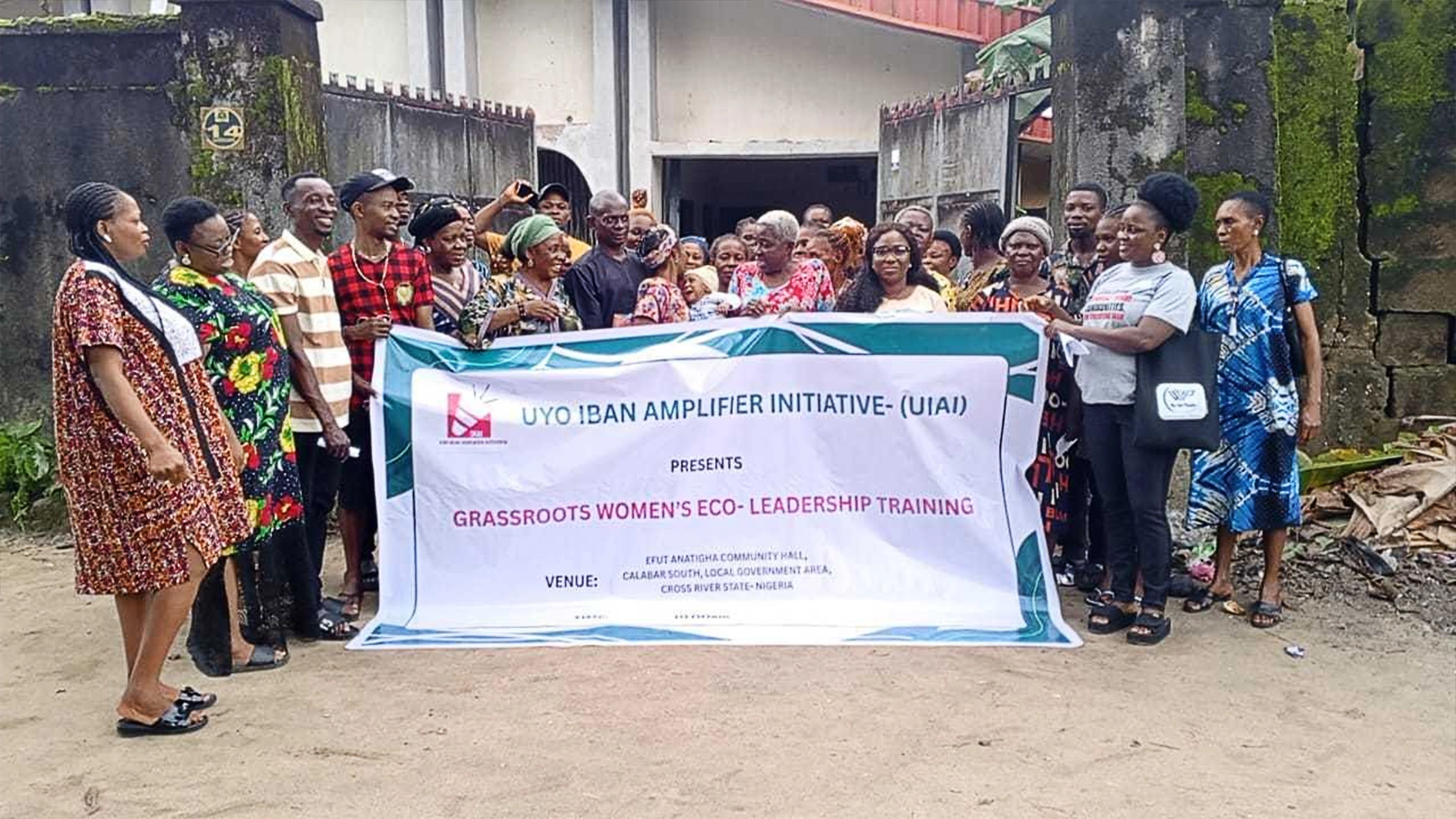
Women leaders in Anantigha coastal community, Calabar South Local Government Area of Cross River State, have called for urgent government intervention to tackle pollution, erosion, flooding, poor waste disposal and mangrove destruction threatening their livelihoods.
They made the call on Thursday at a Grassroots Women’s Eco-Leadership Training organised by the Uyo Iban Amplifier Initiative (UIAI) in partnership with stakeholders in Calabar.
The training, themed “Women Resist, The Earth Breathes: Strengthening Women’s Leadership for Grassroots Climate Justice,” focused on environmental justice, climate change and community-led solutions.
The woman leader in Anantigha Clan, Her Royal Highness Mrs Ekaette Abraham, said indiscriminate disposal of plastic waste was polluting waterways and affecting fishing activities.
She said sachet-water plastics and other containers were washed into waterways during rainfall, damaging fishing nets, while the cutting of mangroves for firewood was destroying fish and periwinkle breeding grounds.
Abraham urged the government to provide more waste bins, construct and desilt drainage channels and improve sanitation to reduce flooding.

Another community leader, Mrs Joy Alex Ekanem, said insecurity and environmental degradation had severely affected the community’s traditional fishing economy.
She said fish had become scarce and expensive, while flooding had destroyed vegetable farms and affected poultry businesses.
Ekanem appealed for financial and livelihood support for women whose businesses had been affected.
In his keynote address, the Commissioner for Environment, Bassey Mensah, said women were central to tackling climate change and environmental degradation at the grassroots.
Represented by the Director, Environmental Quality Control and Standard, Akpa Agbor, the commissioner said women often bore the greatest burden of environmental degradation and were usually the first to notice changes such as flooding, crop failures, declining fish stocks and drying water sources.
He urged the women to participate actively in environmental committees, monitor projects and advocate for climate-responsive budgets, assuring them of government support for community-led initiatives, including tree planting, desilting and sanitation campaigns.
Earlier, UIAI Coordinator, Mrs Okoho Ene, said the training was aimed at strengthening women’s leadership and collective action in protecting their environment.
She said the “Women Resist, The Earth Breathes” project was being implemented in Mfamosing/Abati in Akamkpa and Efut Anantigha in Calabar South.
Ene urged the women to sustain their networks and collective efforts to protect Cross River’s coastal and forest ecosystems.

