 Follow Us on Google News
 Follow Us on Google Discover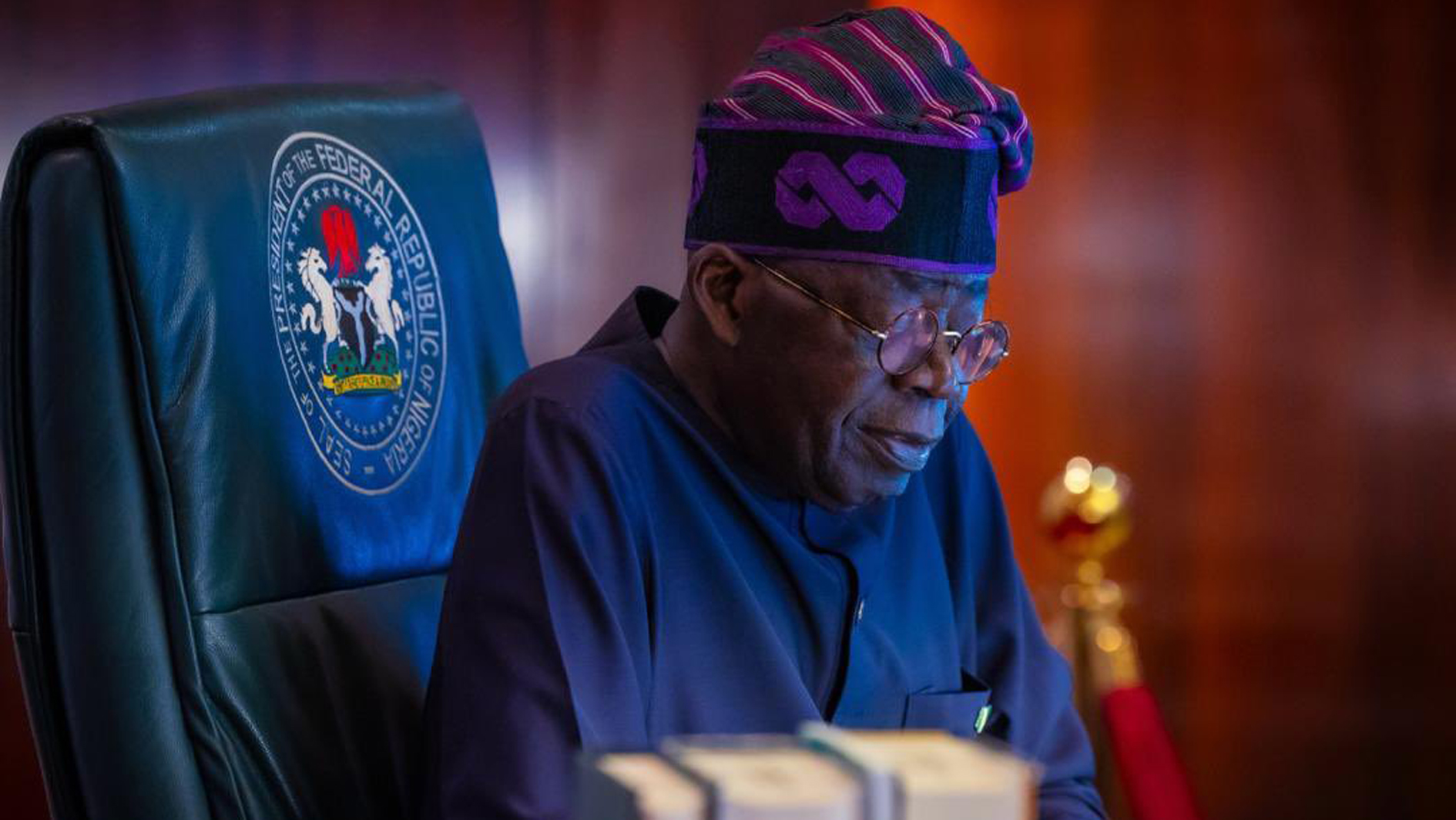
Opposition leaders meet in Abuja August 31 for 2027 framework
The African Democratic Congress (ADC) has described the Federal Government’s announcement of a $1 billion social protection programme as a panic reaction to the plan of its presidential candidate, Atiku Abubakar, to introduce targeted production subsidy to bring down the cost of living, if elected.
ADC also accused President Bola Tinubu of impoverishing millions of Nigerians through what “failed economic policies” and then attempting to “buy them back” with a hurriedly contrived palliative, a few months before the elections.
Meanwhile, key leaders of the opposition, including Atiku and the Nigeria Democratic Congress (NDC) presidential candidate, Peter Obi, are expected to attend the First Summit of Nigeria’s Opposition Political Parties, convened by the G100, on Monday, August 31, 2026, at the Yar’Adua Centre, Abuja.
In a statement signed by its National Publicity Secretary, Bolaji Abdullahi, the party questioned where the government suddenly found the money after three years of asking Nigerians to endure hardship, demanded clarity on the programme’s funding, and questioned the role of the First Lady in the programme’s launch.
The party stated: “ADC has noted the announcement by the Federal Government of a $1 billion social protection programme, unveiled by the First Lady, Senator Oluremi Tinubu.
“We find this sudden discovery of compassion and money quite remarkable. For three years, Nigerians have cried under the weight of food prices, transport costs, and collapsing purchasing power, while this government has insisted that there is no money to cushion the effects of its reforms. Now that elections are approaching, it has suddenly found $1 billion for the poor. If the government could somehow conjure up this money, why did it remain indifferent to the suffering of Nigerians for three years? Or did the poor only become visible when their votes become valuable?”
Even more instructive, according to the opposition party, is the Tinubu government’s admission that Nigerians now require protection from the economic shocks associated with its failed reforms, including the removal of fuel subsidy.
“This is precisely what our presidential candidate, Atiku, has been saying in proposing a targeted production subsidy to bring down the cost of living. The government dismissed that proposal, and its officials told Nigerians that subsidy, in whatever form, was impossible.
“Why did it take Atiku’s widely accepted plan for this wicked government to remember that economic reforms must protect human beings?”
The Abuja summit, with the theme: ‘A Framework for Opposition Cooperation and Coordination’, will bring together the leadership of six major opposition parties to begin structured negotiations on the terms, institutions, and principles on which they may cooperate ahead of the 2027 general election.
In a statement signed by the Convener, Salihu Lukman, the G100 said the meeting “is not meant to decide presidential candidacy in one sitting”, but to establish a formal architecture for transparent and collective negotiations.
“The first question before party leaders is not who leads the ticket. It is what we are, together, prepared to do for this country,” the statement noted.
The summit follows the G100’s August 2, 2026, publication of the Doctrine of a Necessary Democratic Opposition, and weeks of consultations with ADC, NDC, Peoples Democratic Party (PDP), Allied Peoples Movement (APM), Peoples Redemption Party (PRP), and Social Democratic Party (SDP).
The talks produced a shared briefing document that identified areas of convergence while acknowledging the parties’ distinct histories and interests.
“At the centre of the consultations was a common recognition of the need for a credible, organised and competitive democratic opposition, and a willingness to engage the difficult questions that meaningful cooperation ahead of 2027 will require,” Lukman stated.
Among the proposals before the summit is the creation of five specialised working groups. If approved, the groups will have four weeks to develop the principal documents and agreements needed to give institutional form to opposition cooperation.

