 Get Guardian on Google
…Economic growth must improve livelihoods, says new NESG chair
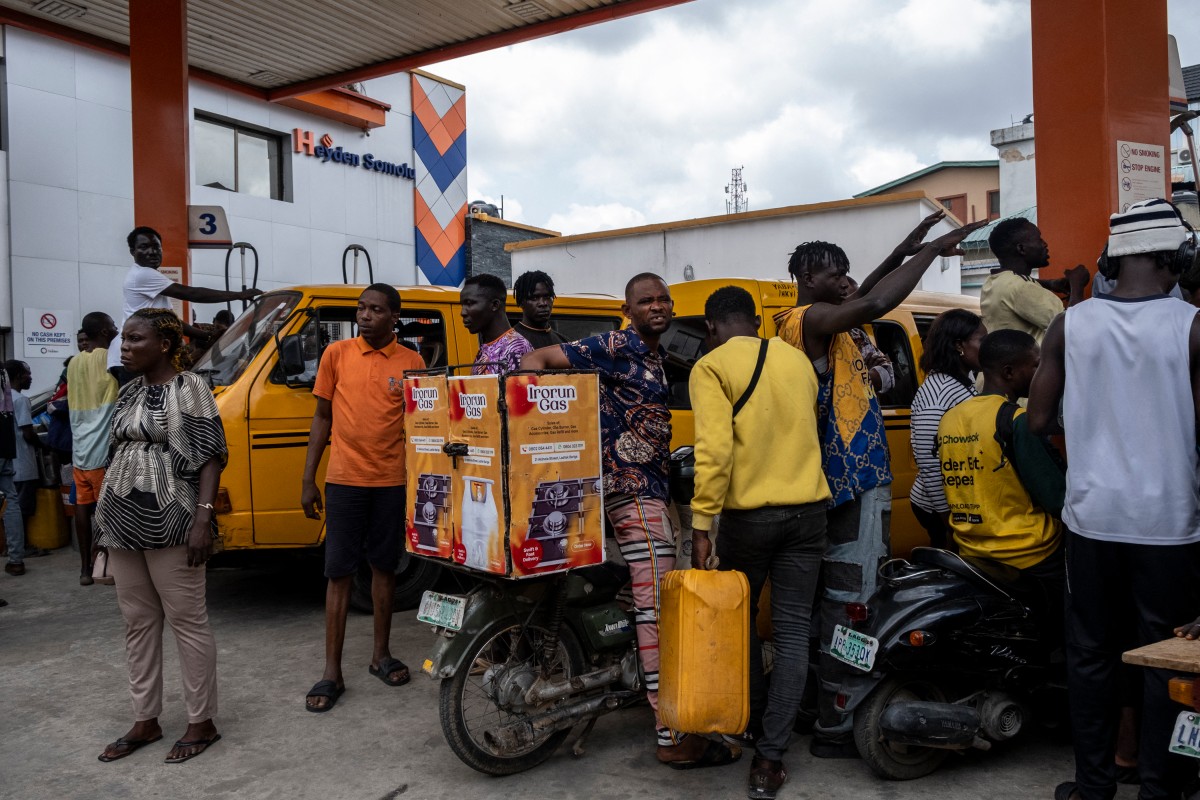
NIGERIA’S private sector maintained its expansion for the ninth consecutive month in October, although growth slowed slightly as rising fuel costs drove up input and selling prices, the latest Stanbic IBTC Bank Purchasing Managers’ Index (PMI) has shown.
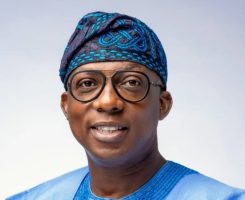
However, the incoming Chairman of the Nigerian Economic Summit Group (NESG), Omoboyede Olusanya, called for a shift in Nigeria’s economic policy priorities from achieving impressive growth figures to delivering measurable improvements in employment, incomes, productivity and living standards.
The headline PMI declined to 55.7 points in October from 56.4 points in September, indicating a moderation in the pace of business activity. A reading above 50 points signals an improvement in business conditions, while a figure below that threshold indicates contraction.
Despite the slowdown, new orders increased for the ninth consecutive month, supported by stronger customer demand and the introduction of new products. However, the pace of growth was slightly weaker than in September, when new orders recorded their fastest expansion since early 2022.
Business output also increased for the 23rd consecutive month across all four sectors monitored by the survey. However, growth eased marginally from September’s more than four-and-a-half-year high.

Employment growth remained modest as some firms said existing staff could handle present workloads. Consequently, job creation slowed to its weakest pace in three months, although employment has increased every month since June 2025. While agriculture and manufacturing recorded higher employment, wholesale and retail trade and services shed jobs.
Rising fuel costs pushed input price inflation to a four-month high, with businesses also reporting higher costs of building materials and food products. Staff costs increased at a slower rate, reflecting salary adjustments by some firms to help workers cope with the rising cost of living.
OLUSANYA said the country’s economic performance should be assessed by its impact on ordinary Nigerians rather than macroeconomic indicators alone, stressing that recent economic reforms must translate into poverty reduction and expanded opportunities.
According to a statement issued by NESG yesterday, he made the call during the closing session of the 32nd Nigerian Economic Summit (NES#32) at Transcorp Hilton, Abuja, on October 26 and 27, 2026.
“Growth that delivers is growth whose impact is strongly felt,” Olusanya said, explaining that economic progress should enable farmers to earn more, manufacturers to reduce production costs, graduates to secure decent jobs and businesses to access affordable financing.
He added that children should also benefit from improved nutrition and healthcare as part of the broader gains of economic development.
The incoming chairman acknowledged that recent reforms had helped restore macroeconomic stability, but maintained that such progress would remain insufficient without improvements in household welfare.
“Bridging the distance between macroeconomic stability and accelerated growth, and between accelerated growth and improved lives and livelihoods, is the task before us all,” he stated.
Olusanya introduced ‘Growth that Delivers’ as the guiding principle of his tenure, outlining five commitments aimed at translating economic policies into measurable outcomes.
He pledged to strengthen accountability by ensuring that priority commitments emerging from the summit had designated implementation officers, timelines and measurable performance indicators.
According to him, the NESG would build on its existing accountability framework and publish progress reports ahead of the 33rd NES.
He also promised to strengthen research and policy intelligence, with emphasis on practical, evidence-based recommendations aligned with the National Development Plan 2026–2030.