 Follow Us on Google News
 Follow Us on Google Discover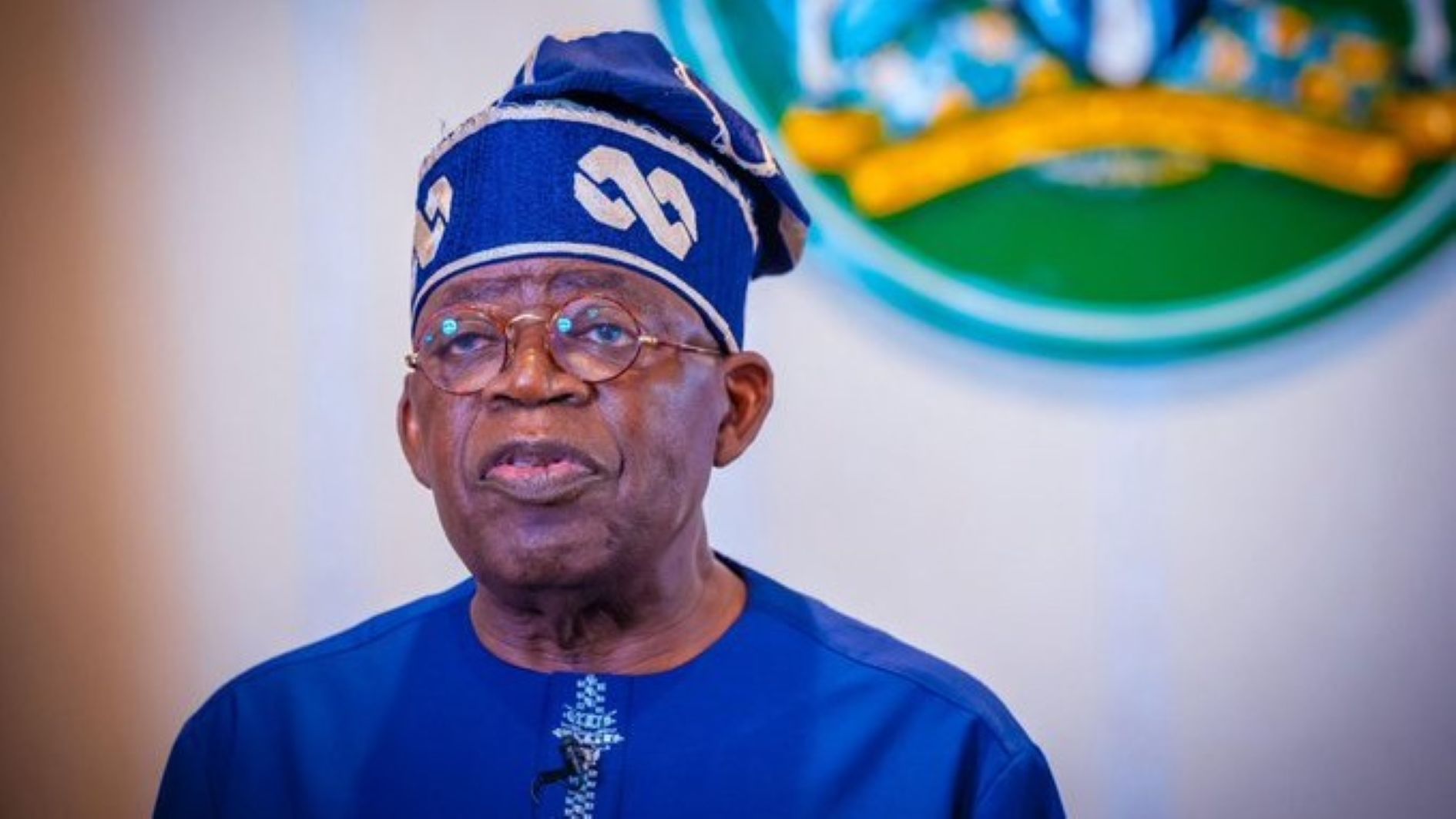
President Bola Tinubu and Governor Hyacinth Alia of Benue State have called on traditional and religious leaders, women and youths in the North Central zone to strengthen collaboration with government and security agencies to tackle insecurity and build lasting peace.
Tinubu, who was represented by the Secretary to the Government of the Federation (SGF), George Akume, said at the 2026 North Central Regional Security Summit in Makurdi that traditional and religious leaders must strengthen early-warning mechanisms and serve as trusted voices for reconciliation in their communities.

He also urged citizens to provide timely intelligence to security agencies and stop shielding criminals because of kinship, ethnicity or other sentiments.
According to Tinubu, insecurity transcends state boundaries and institutional mandates, making collaboration among security agencies, governments and communities imperative, as “no single agency, no single tier of government, and no single community can secure this region acting alone.”
Tinubu commended the security agencies for the gains against terrorists and other criminal elements, including the neutralisation of commanders, surrender of fighters and rescue of captives.
For his part, Governor Alia warned that long‑term solutions must extend beyond military deployments to include traditional rulers, border communities and grassroots intelligence‑sharing.
Stressing that collaboration must translate into practical measures that reach custodians of the land who often have early warning of threats, Alia said: “the moment we set aside our differences to confront the enemy of insecurity, half the battle is already won.”
Alia argued that effective responses require confronting the socio‑economic drivers of crime, including poverty and idleness, alongside improved intelligence‑sharing and community engagement.
Describing the North Central’s stability as vital to national welfare, the governor highlighted its role in food production and mineral resources, warning that insecurity there threatens food security and supply chains nationwide.
Similarly, the president stressed the need to address the social, economic and environmental factors driving insecurity, stating that military action alone cannot guarantee sustainable peace.
He listed competition over land and water, climate change, desertification, unresolved land-use issues, weak dispute-resolution mechanisms and illicit weapons as drivers of violent conflicts.
Nevertheless, he assured that the federal government would continue to combine kinetic operations with development interventions, including modern livestock production, irrigation, mechanised agriculture, rural roads, and access to credit, to tackle the crisis.
Tinubu further urged the women and youths to take central roles in peace-building, describing young people as the region’s greatest asset. He also called on development partners and the private sector to increase investment in the region, noting that employment and economic opportunities were essential to sustainable security.
“Peace and investment reinforce one another. Every factory built, every farm expanded, and every young person employed in this region is a contribution to its security,” he said.
The president directed the Minister of Defence, Gen. Christopher Musa (rtd), to transmit the summit’s recommendations to him, stating that the summit’s success would ultimately be measured by whether people in the region experienced greater security and peace.
Meanwhile, the organisers of the summit, led by the Ministry of Defence, partnering the Office of the Senior Special Assistant to the President on Community Engagement, said the summit was a strategic effort to “localise” security responses to banditry, farmer‑herder clashes, kidnappings, violent extremist spillovers and organised crime across the region.

