 Follow Us on Google News


 Follow Us on Google Discover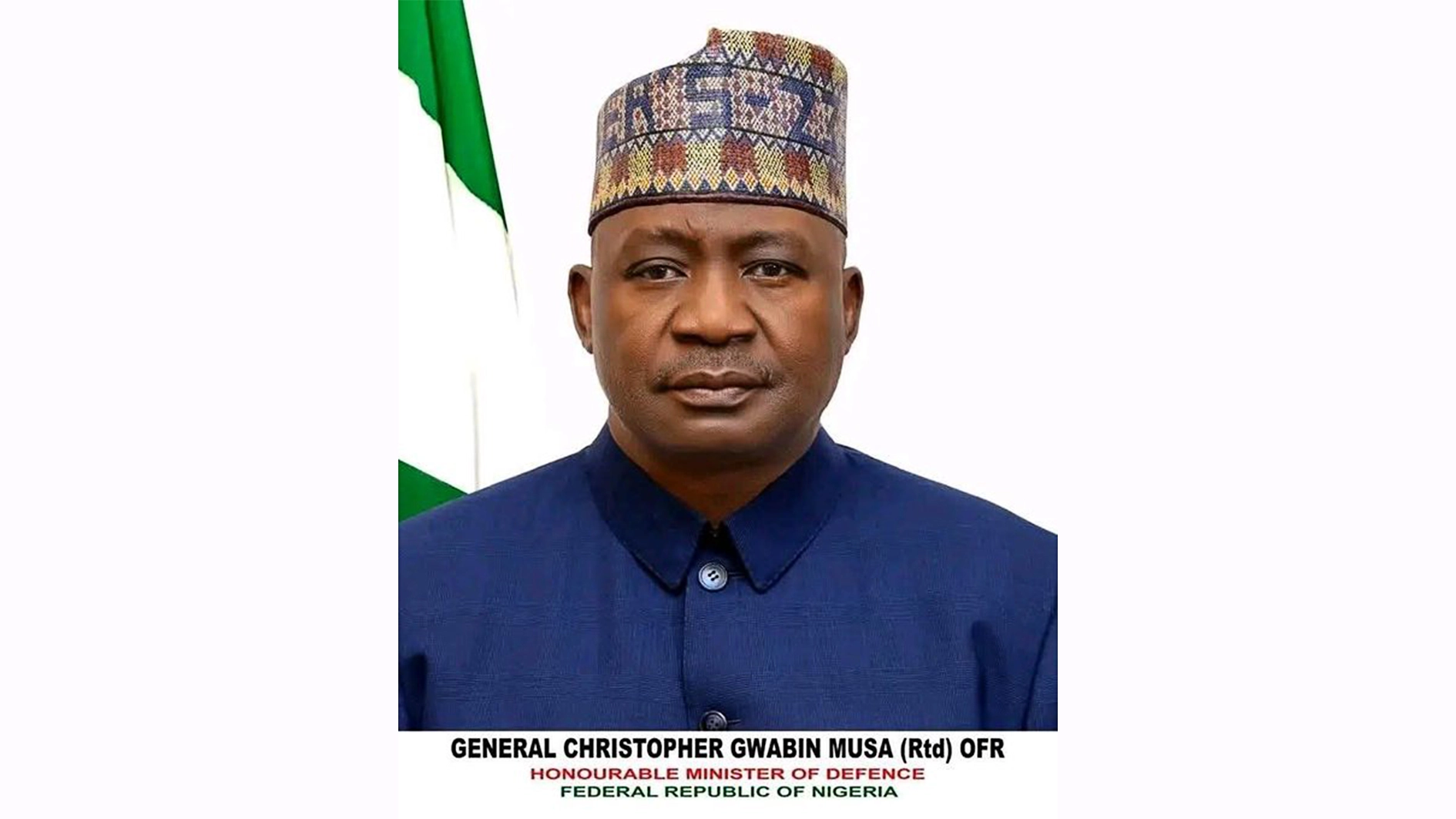
• As HURIWA urges sustainable welfare mechanisms
The Minister of Defence, Gen. Christopher Musa (rtd), has commended President Bola Tinubu for approving the 30 to 80 per cent salary increment for the Nigerian Armed Forces personnel.
Approved yesterday, the salary increment will take effect from September 1, 2026, directly impacting approximately 250,000 personnel across all the services.
The strategic structuring of the package, yielding an 80 per cent boost for junior ranks (Private to Staff Sergeant), a 50 per cent increase for middle-tier officers and non-commissioned officers (Warrant Officer to Colonel), and a 30 per cent increase for senior military leadership, demonstrates an exemplary commitment to prioritising the operational welfare of frontline troops.
Meanwhile, pro-democracy and civil rights advocacy group, Human Rights Writers Association of Nigeria (HURIWA), has demanded a sustainable welfare mechanism while also applauding President Bola Tinubu for approving a salary increase of between 30 and 80 per cent for the Nigerian Armed Forces.
Reacting to the development in a statement yesterday, the minister described the presidential directive as “a decisive morale booster that reinforces the administration’s dedicated vision for security sector reform”.

He noted that Tinubu “has once again demonstrated unwavering leadership and empathy for the brave men and women who put their lives on the line daily to preserve the peace and territorial integrity of our nation.
“By raising the annual personnel cost from N660 billion to N924 billion, the President has matched words with concrete action, proving that the welfare of our troops remains paramount,” Musa said.
“This subversion of financial hardship for our officers and soldiers will resonate across every theatre of operation, from those confronting insurgency in the North East to troops tackling banditry, oil theft, and kidnapping across the country.
“On behalf of the entire defence structure, we assure Mr. President and the Nigerian public that this gesture will be met with renewed vigour, uncompromising discipline, and heightened operational effectiveness.”
The minister charged officers and men of the Armed Forces of Nigeria to see this substantial enhancement in their condition of service as a renewed call to duty.
“Troops are urged to redouble their efforts in neutralising all national security threats, safeguarding civilian lives, and restoring total stability across every corner of the country,” he added.
Musa reaffirmed the commitment of the Ministry of Defence to align with Tinubu’s mandate to continuously modernise equipment, enhance technological capacity, and elevate the standard of living for Nigeria’s military personnel and their families.
Meanwhile, describing the decision as one of the most significant welfare interventions for Nigerian troops in decades, HURIWA said that for too long, the military’s brave men and women have borne the crushing weight of Nigeria’s security burdens while receiving remuneration that fell far short of the enormous risks they confront daily.
It also applauded the Chief of Army Staff, Lt.-Gen. Waidi Shaibu, saying that emphasis on intelligence-led operations, drone technology, aviation capability, institutional discipline and meritocracy reflects an understanding that modern warfare is won not only by courage but by innovation, preparation and investment in human capital.
However, HURIWA warned that while the salary increase is historic and commendable, it must never become another isolated policy that fades with time.
“Nigeria has witnessed several well-intentioned welfare announcements that gradually lost value because they were neither institutionalised nor protected from inflation, economic shocks and policy inconsistencies,” it said.
“If this bold intervention is to leave a lasting legacy, it must be backed by comprehensive legislative and institutional reforms.”
HURIWA further submitted that the welfare of those defending the nation should never depend on discretionary political decisions or the goodwill of any administration.
It further insisted that improved remuneration must be complemented by sustained investments in cutting-edge military hardware, artificial intelligence-driven surveillance systems, combat aviation, cyber warfare capabilities, satellite intelligence, indigenous defence manufacturing and continuous professional training.

