 Follow Us on Google News


 Follow Us on Google Discover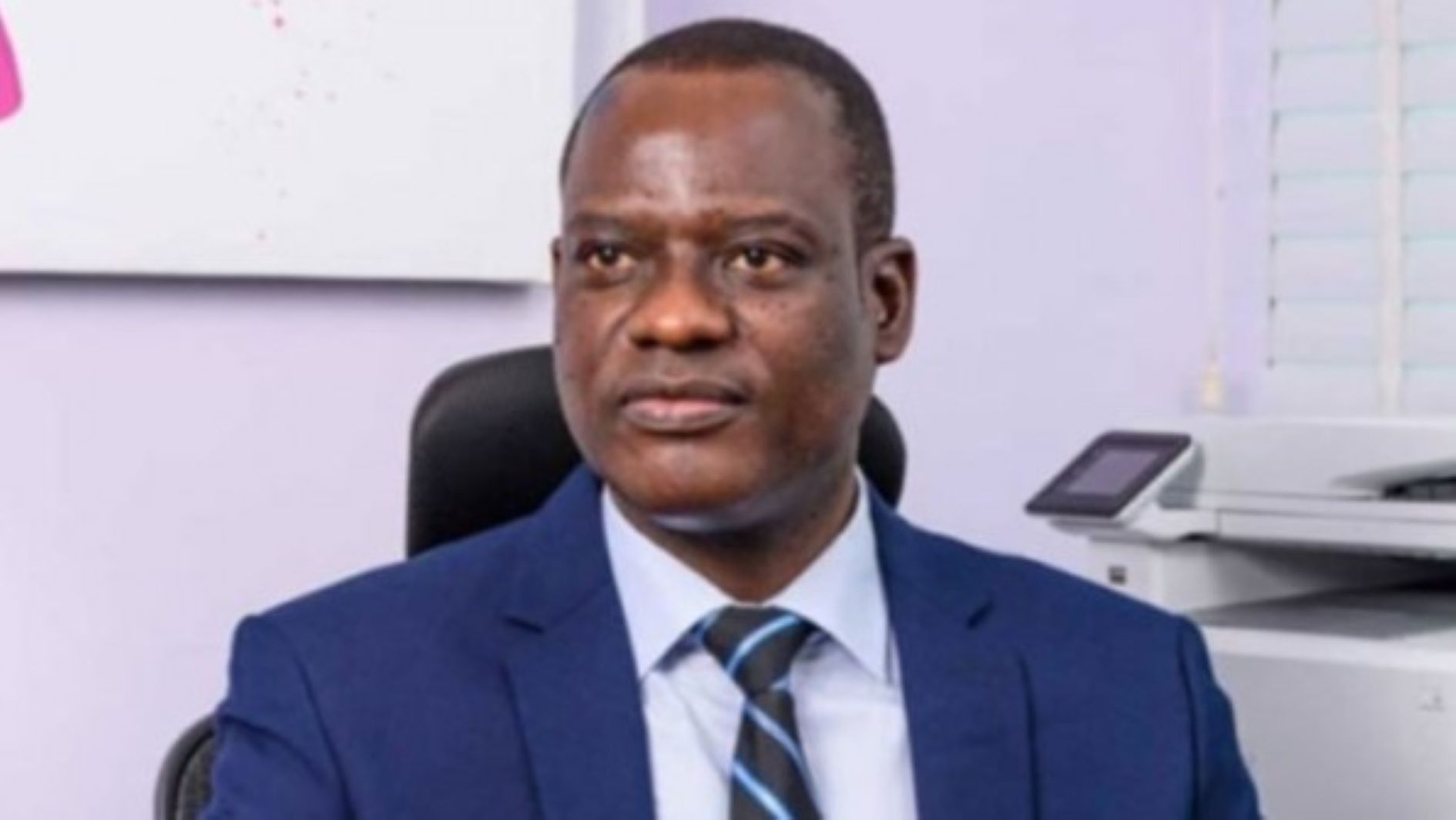
THE Minister of Finance and Coordinating Minister of the Economy, Prof. Taiwo Oyedele, has declared that the Nigerian economy has stabilised and is experiencing accelerated growth following the bold macroeconomic reforms of the current administration.
The minister stated this while declaring open the 2026 PULSE (Public Finance: Unlocking Last Mile Services) Summit organised by the International Budget Partnership (IBP), yesterday in Abuja.
He said that removing fuel subsidies and unifying the foreign exchange market freed up critical resources for healthcare, education, and infrastructure.
He also said that the Nigeria’s Gross Domestic Product (GDP) grew by 4.43 per cent in the second half of 2026, keeping the nation on track to achieve a $1 trillion economy by 2030.
“Our economy has since stabilised and growth is accelerating,” the minister said.
He explained that while the reforms were initially unpopular, they were necessary to stop the misallocation of public funds.

The minister pointed to a significant gap between approved budgets and actual service delivery at the grassroots levels of the country identifying fiscal, institutional, and accountability failures as the primary hurdles.
According to him, “An approved budget is a document. It is a set of numbers signed into law, a promise expressed in N and Kobo,” he explained, arguing that the funds approved in Abuja often fail to reach rural communities due to fragmented systems.
Oyedele emphasised the need for an unbroken chain of fiscal federalism, stating that local and state governments must deliver shared prosperity.
Country Director of IBP Nigeria Olayinka Babalola, lamented the persistent disconnect between impressive macroeconomic indicators and the actual living conditions of regular citizens.
She argued that while inflation is easing and external reserves are growing, these figures do not substitute for the timely delivery of affordable public services.
Babalola explained that “The last mile is actually where policy meets reality, where budgets become services, and where citizens experience government directly.”
She urged all tiers of government to regularly consult citizens on tax utilisation, warning that budgets lose credibility when revenue projections remain overly optimistic and out of alignment with reality.
Babalola further called for stringent independent oversight involving civil society and the media, stressing that there must be real and immediate consequences for the mismanagement of public finances.
Also speaking, the Africa Regional Director for Development Alternatives Incorporated (DAI), Dr Joe Abah, blamed the persistent gap between budget appropriations and service delivery on poor planning rather than just corruption.
Delivering the keynote address, Abah stated that citizens experience the budget only when it translates into functioning public services, such as a conducive classroom or an adequately stocked primary healthcare centre.
He said “We are very bad at planning. Because if we plan well, you plan your implementation.”
Abah warned against unrealistic revenue projections driven by baseless optimism, noting that a lack of rigorous preparation often forces a fire brigade approach that ultimately encourages corruption.
He also condemned the inherent arrogance of public officials who execute unrequested projects without consulting the benefiting local communities to ascertain their true primary needs.

