 Follow Us on Google News


 Follow Us on Google Discover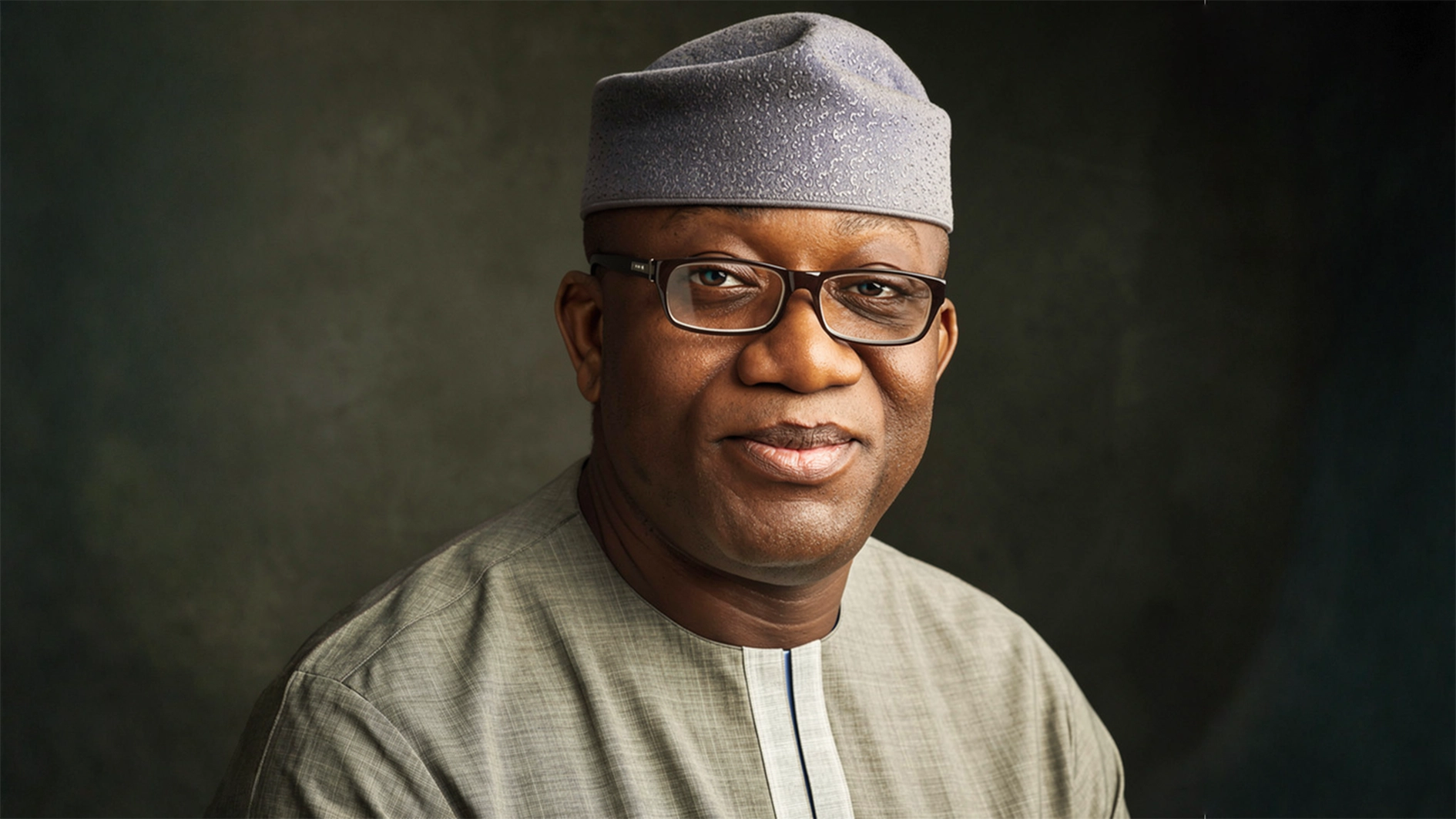
Former governor of Ekiti State, Dr Kayode Fayemi, has urged Nigeria to reposition its foreign policy strategy and leverage its economic, diplomatic and cultural resources to boost its status as a middle power.
Fayose made the call in his treatise entitled, ‘From Non-alignment to Multi-alignment in the Emerging Global Order: Options for Nigeria as a Middle Power’, recently published by the Belfer Centre for Science and International Affairs.
Admitting that the country has demographic weight, economic potential, diplomatic reach and cultural influence to play a consequential role in shaping regional and global affairs, Fayemi, however, believes that foreign influence largely rests on the strength at home.
“Nigeria clearly ranks as a middle power by salient economic and demographic metrics, as well as its military posture and global power projection. With a growing economy, Gross Domestic Product (GDP) of over $377.37 billion is projected for 2026, according to the International Monetary Fund (IMF); a formidable military and a strong diplomatic presence across the world, Nigeria has the capacity for regional and global influence.
“But our ability to translate these considerable assets into sustained global influence will depend on how successfully we address our security, economic and institutional challenges,” he said.
In an increasingly multipolar world, he held that Nigeria must be guided by strategic autonomy and a clear understanding of its national interest by engaging constructively with different centres of global power, strengthening partnerships with other middle powers and ensuring that Africa retains a meaningful voice in shaping the emerging international order.

The former governor also argued that overcoming domestic constraints and intensifying competition could properly position Nigeria as an evolving middle power to influence regional integration and address the security challenges it faces.
While Nigeria continues to play major roles within international institutions such as the United Nations (UN), the Commonwealth of Nations and the World Trade Organisation (WTO), the author, however, warned that its ability to maintain such standing would be increasingly contested by other emerging middle powers.
As the world grapples with multi-faceted development, security and governance challenges, including climate change, terrorism, poverty and economic inequality, the pioneer president of the Forum of Regions of Africa (FORAF) said middle powers such as Nigeria seek recognition as strategic partners in sustainable solutions and that their role as middle powers in bridging and balancing the associated geopolitical divides cannot be discounted.

