 Follow Us on Google News
 Follow Us on Google Discover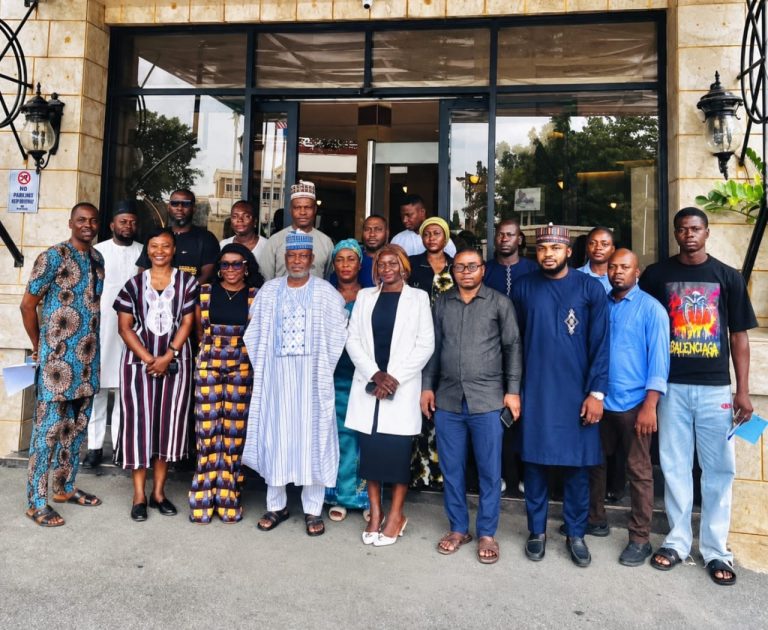
Stakeholders in the health sector have emphasized the need for sustained and coordinated action to position family planning as a critical tool for human capital and sustainable national development.
Meanwhile, the Federal Government with the support of development partners is developing a four-month media action plan to sustain public awareness of family planning in the country.
The plan is expected to coordinate messaging across government ministries, departments and agencies and ensure that family planning remains on the national agenda beyond the launch of the Inter-Ministerial Platform on Family Planning, Health.
Speaking at the media engagement organised by Family Planning 2030 (FP2030) to sustain the momentum of the recently inaugurated Inter-Ministerial Platform (IMP) on Family Planning, Health and Human Capital Development in Abuja, FP2030 Consultant, Dr Moriam Jagun, stated that family planning and population dynamics extend beyond the mandate of a single ministry adding that the platform was established to coordinate actions across government.
Jagun observed that the platform would help ministries align their respective mandates and work together to harness Nigeria’s demographic dividend.
She said, “The ordinary people see government as one,” making it necessary for ministries to coordinate their efforts towards improving human capital and national productivity,” .

Jagun identified the media as an important stakeholder in sustaining the initiative adding that consistent reporting would help translate technical issues into messages that Nigerians could understand, while also promoting accountability.
She noted that the meeting objective was to build consistent public understanding on the importance of family planning and population dynamics to Nigerian human capital, demographic dividend and sustainable development.
Jagun said the inaugural meeting brought together ministers, senior government officials, development partners, civil society organisations and media stakeholders to build a shared understanding of the relationship between family planning, population dynamics, human capital development and sustainable national development.
She observed that the next phase would focus on translating commitments made at the inaugural meeting into practical actions by defining activities, responsibilities, measurable indicators, funding sources and budget entry points for participating ministries.
Jagun added that the engagement would also focus on harmonising key messages, identifying credible government spokespersons and coordinating communication across broadcast, print and digital platforms.
Also speaking, the Manager, Adolescent and Youth Partnership at FP2030, Margaret Bolaji, said the inter-ministerial platform was designed to promote cohesion, coordination and accountability across sectors.
Bolaji stressed that family planning should not be treated solely as a health issue, noting that it was closely linked to education, finance, productivity and broader human capital development.
She urged the media to help change the narrative around family planning from being viewed merely as access to commodities to recognising it as a human capital investment capable of improving productivity and contributing to the Sustainable Development Goals.
“We are glad to bring the media together, but not just the media, also the ministries, departments and agencies,” Bolaji said.
She added that participants were expected to develop a four-month media plan to increase visibility around family planning and its linkages with education, finance, health and other sectors.
Meanwhile, the Deputy Director, Sports and Health Division, Federal Ministry of Education, Dorathy Ogbuke, said the education sector remained an important partner in promoting informed decision-making among adolescents and young people.
Ogbuke described family planning as an important factor in human development, stressing the need to equip learners with the knowledge and skills required to make informed choices about their lives.
She noted that previous engagements had generated more than 10 media releases and publications, as well as several social media activities, but said the conversation must be sustained.
She said the current engagement would facilitate the development of a coordinated action plan among relevant MDAs, increase awareness of the inter-ministerial platform and identify designated officials and technical experts who would be available for media interviews.
Ogbuke said the designated spokespersons could include ministers, permanent secretaries, directors and other relevant technical experts.
The stakeholders expressed optimism that sustained collaboration between government and the media would strengthen public understanding of family planning and its contribution to health, education, productivity, human capital development and sustainable national development.

