
 Get Guardian on Google
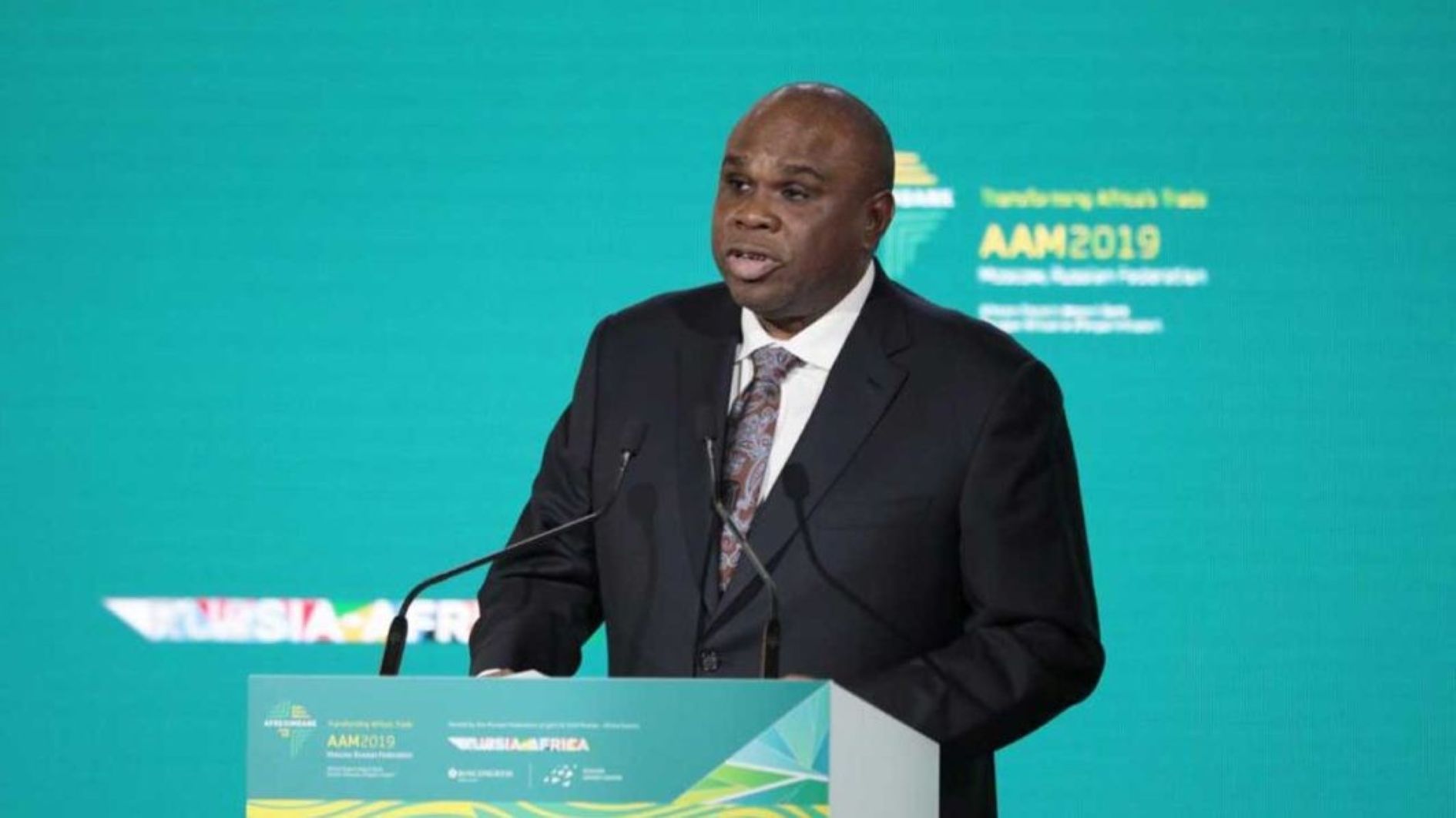
Former President of the African Export-Import Bank (Afreximbank), Prof Benedict Oramah, has challenged African governments to reduce their dependence on foreign capital and currencies. He warned that the continent’s vulnerability to external economic shocks could undermine its development prospects.
He said mobilising domestic savings, strengthening indigenous financial institutions and expanding local currency financing were critical to enabling African countries to take greater control of their economic development.
Oramah, who delivered the keynote address at the 20th AELEX Yearly Lecture in Lagos, argued that Africa must move beyond reacting to global economic disruptions and develop the financial and industrial capacity to exploit opportunities arising from changes in the international economic order.
He identified geopolitical tensions, de-globalisation and rising protectionism as major forces reshaping global trade and investment, warning that African countries risk being disadvantaged if they fail to rethink their development strategies.
Speaking on the theme: ‘Global Shocks, Local Impact: Battle for Survival or Opportunities to Leapfrog, and for Growth’, the former Afreximbank president described capital as Africa’s greatest development constraint.
He argued that the continent’s continued reliance on foreign financing and the export of unprocessed commodities had limited its capacity to create domestic value, strengthen industries and retain the benefits of its natural resources.

He therefore called for deliberate investment in indigenous financial institutions that can finance development projects, support African businesses, and reduce dependence on external funding.
Leveraging his experience at Afreximbank, Oramah said the institution mobilised more than $40 billion through its central bank deposit programme during his tenure, demonstrating the potential of African resources to finance the continent’s development.
He also identified energy infrastructure, data centres and critical minerals processing as strategic sectors requiring increased investment, stressing that Africa must build the technological and industrial capacity to compete in the changing global economy.
Using Kenya’s mobile money revolution as an example, he explained that technology offered African countries opportunities to bypass conventional development pathways and accelerate economic transformation.
During a dialogue session moderated by Femi Ojumu, Oramah advised Nigerian leaders to establish clear national development priorities before entering into international partnerships.
He cautioned against letting geopolitical rivalries among major global powers determine Africa’s economic direction, insisting that external partnerships be guided by national interests and clearly defined development objectives.
Chairman of Ecobank Nigeria Limited, Mrs Bola Adesola, who chaired the lecture, said effective leadership, strong institutions and adequate preparation were essential for governments and businesses to withstand global disruptions.
She maintained that leapfrogging required deliberate decisions and investments, not luck, urging organisations to move beyond building resilience to developing the capabilities needed to transform their operations.
Also speaking, AELEX founding partner, Mr Fubara Anga (SAN), called for greater involvement of state governments and public institutions in attracting investment and promoting economic development.
He said the responsibility for creating an enabling business environment should not rest exclusively with the Federal Government.
Similarly, AELEX partner Mr Theophilus Emuwa said Africa’s abundant human and natural resources could support higher levels of economic development if governments and businesses translated available opportunities into concrete action.