 Follow Us on Google News


 Follow Us on Google Discover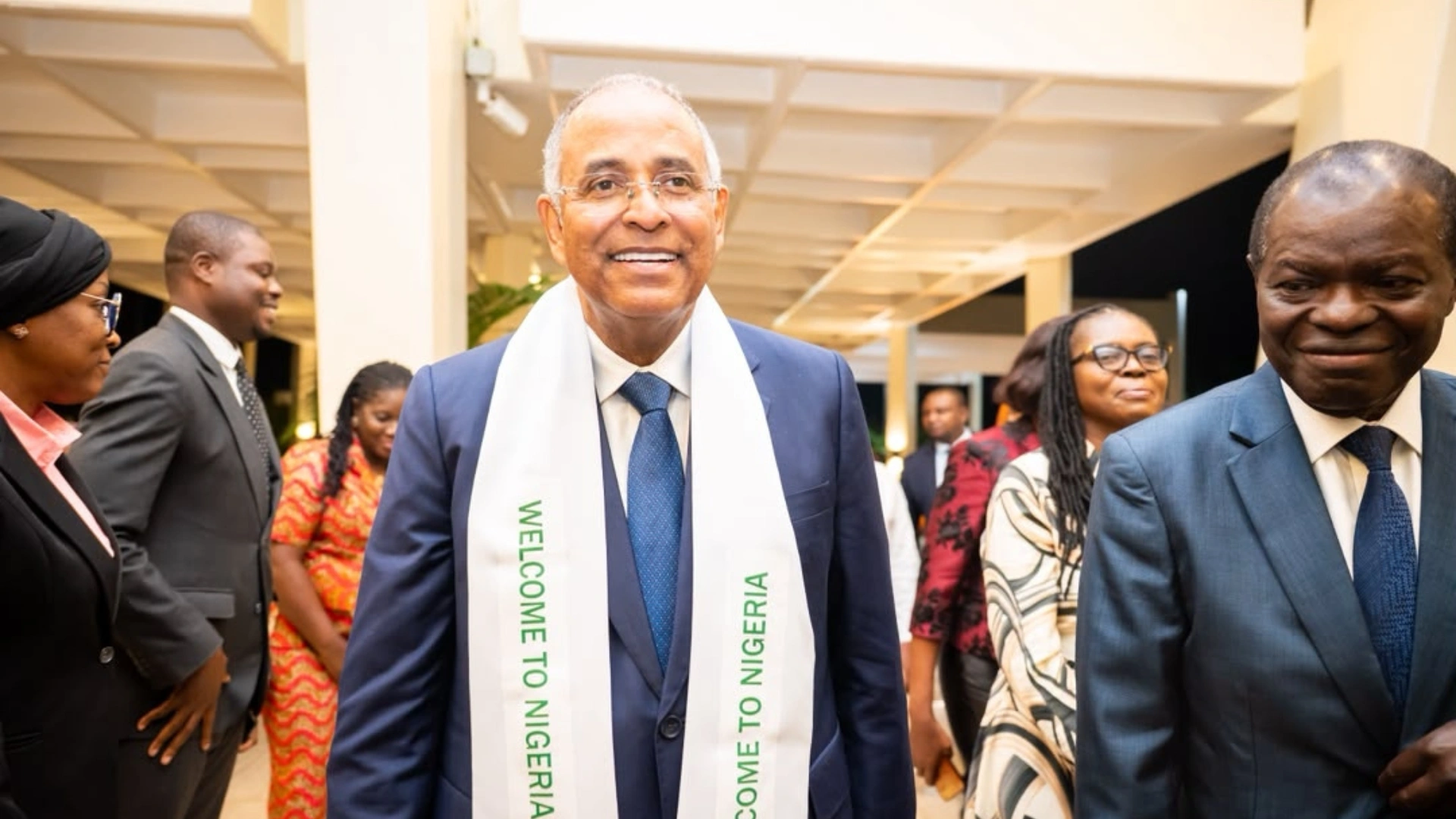
…Says Africa’s growth will remain unequal without women, youth inclusion
The President of the National Assembly of Côte d’Ivoire and former Prime Minister, Patrick Achi, has warned that Africa’s economic transformation will remain incomplete unless women, young people and other excluded groups are moved from the margins of development to the centre of wealth creation, productive employment and decision-making.
Achi gave the warning in Abuja at the fifth edition of the annual Gender and Inclusion Summit organised by the Policy Innovation Centre (PIC), with the theme, “Inclusion as Infrastructure: Unlocking Africa’s Growth Through Shared Prosperity and Participatory Development.”
Speaking on the theme, Achi argued that inclusion should no longer be treated as a social intervention added to development plans, but as a fundamental component of economic growth.
“Inclusion is not a social supplement to development. Inclusion is development,” he declared.
According to him, infrastructure only becomes meaningful when it connects people to opportunities, stressing that roads, electricity, schools, healthcare facilities and digital infrastructure must ultimately enable citizens to participate productively in the economy.

He said the “last mile” of development was not merely the final physical distance covered by infrastructure, but the point where government policies and investments translate into real opportunities for citizens.
“The last mile is not where development ends. It is where development becomes real,” Achi said.
He maintained that Africa must shift from managing poverty to creating sustainable pathways out of poverty through productive employment, rising incomes, private-sector investment and stronger human capital.
Achi also identified women and young people as critical to Africa’s economic future, warning that excluding them from education, employment, entrepreneurship and leadership represents a major loss of productive capacity.
Supporting the call for greater inclusion, the First Lady of Kwara State and Chairperson of the Nigeria Governors’ Wives Forum, Ambassador Professor Olufolake AbdulRazaq, called for more women to occupy decision-making positions.
She said that despite interventions in education, healthcare, economic empowerment, political participation and other areas, gender inequality remained a major obstacle to sustainable development.
AbdulRazaq said women’s economic empowerment must go beyond income generation to encompass access to opportunities, leadership, healthcare, education and platforms where policies affecting their lives are shaped.
She noted that the Governors’ Wives Forum had implemented interventions targeting women, youths and vulnerable groups through skills acquisition, grants, scholarships, cooperative networks, healthcare interventions and grassroots advocacy.
Earlier, Chairman of the Nigerian Economic Summit Group (NESG), Mr Olaniyi Yusuf, said the challenge was no longer the absence of policies, but ensuring that commitments reached the people for whom they were designed.
Yusuf said the summit was established to help bridge the gap between policy commitments and lived realities, particularly for women, girls, youths, persons with disabilities and underserved communities.
“Nothing happens by chance. Opportunity only becomes meaningful when it reaches the last mile,” Yusuf said.
He stressed the need for stakeholders to move from discussions to implementation.
“We do not gather merely to celebrate. We gather to design. We gather to deliver.”
In his welcome remarks, Udeme Ufot said the summit provided an important platform for stakeholders to confront the persistent gaps between commitments on gender inclusion and actual outcomes.
He stressed the importance of moving from policy formulation to practical action, urging stakeholders to ensure that innovation, investment and public policies reached those most excluded from economic and social opportunities.
Ufot said the focus on the “last mile” was particularly important because the success of development interventions should ultimately be determined by their impact on ordinary citizens, especially women, youths and vulnerable communities.
He called for stronger collaboration among government, the private sector, civil society, development partners and other stakeholders to build systems capable of delivering inclusive and sustainable development.
The speakers therefore challenged African governments, policymakers and institutions to move beyond policy declarations and ensure that gender and social inclusion produce measurable improvements in the lives of citizens.
They called for stronger accountability mechanisms, sustained investment in human capital, increased representation of women in leadership and practical systems for tracking inclusion commitments.
They stressed that the success of the summit should ultimately be measured not by the number of commitments made, but by the extent to which such commitments are implemented and transform the lives of women, youths and other excluded groups.

