 Follow Us on Google News
 Follow Us on Google Discover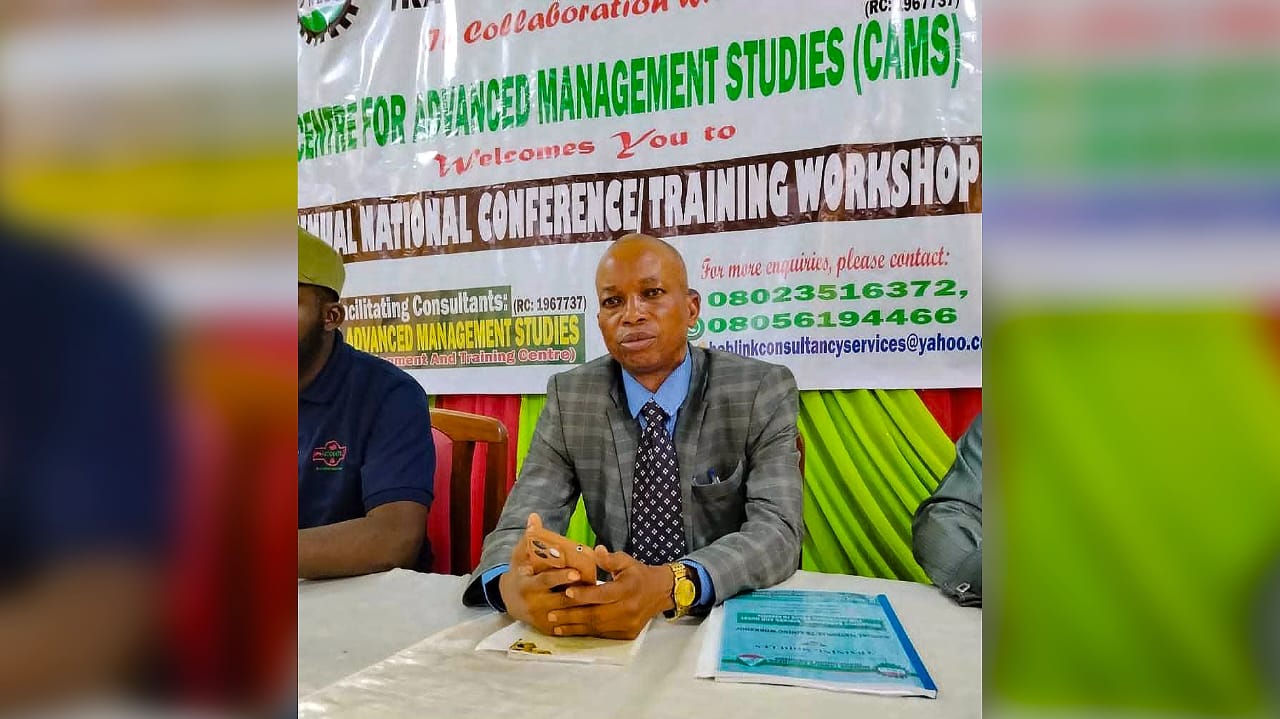
The National President of the Precision, Electrical and Related Equipment Senior Staff Association (PERESSA), Rufus Olusesan, has called for urgent action to create decent jobs and guarantee living wages for Nigerian workers, warning that worsening economic insecurity and mass unemployment are deepening the country’s security challenges.
Olusesan said poverty, unemployment and declining purchasing power could not be treated as separate economic problems, arguing that they had direct implications for national security and the stability of democracy.
He spoke at the 17th Chief Gani Fawehinmi Memorial Lecture and the Civil Justice Legacy Project (CJLP), held in Lagos.
According to him, the relationship between economic hardship and insecurity is straightforward: “Mass unemployment + economic insecurity + hopelessness = insecurity.”
He said a young person without decent employment could become vulnerable to crime and violence, stressing that the solution to insecurity must therefore go beyond policing.
“The solution is industrialisation, productive employment and improved living standards that meet the needs of all,” he said.

Olusesan called on the government to strengthen domestic production and create sustainable employment opportunities, stressing that Nigeria must produce more of what it consumes to address unemployment and improve living standards.
He also warned against arbitrary retrenchment, casualisation and contract staffing, which he said had created precarious working conditions and left workers vulnerable to economic hardship.
The PERESSA president said the struggle for a living wage was not merely about increasing salaries but about restoring the dignity of work and ensuring that Nigerians who work could afford necessities.
He said a genuine living wage must take into account the actual cost of food, housing, transportation, healthcare, education and social security.
“A hungry worker cannot be a free citizen. A worker who cannot afford to live decently is a hostage of the unfair system,” he declared.
Olusesan lamented the erosion of workers’ purchasing power, saying rising costs of food, transport, rent, school fees and medicines had made it increasingly difficult for workers to survive on their earnings.
He said many workers were being forced to take multiple jobs to meet their basic needs, describing the situation as a form of “modern servitude.”
He argued that government and employers had a constitutional and moral responsibility to protect workers’ purchasing power, insisting that the pursuit of profit must not come at the expense of workers’ welfare and dignity.
The labour leader further charged organised labour to remain at the forefront of the struggle for economic justice, saying the movement had responsibilities beyond wage negotiations.
According to him, labour must defend democracy by protecting workers’ economic rights, fighting inequality and exploitation, demanding accountability in the management of public resources, and resisting forms of employment that treat workers as disposable.
“When workers are secure, democracy is secure. When workers are insecure, society becomes insecure,” he said.
Olusesan said the living-wage debate should ultimately be judged by whether an honest worker could live a decent and dignified life on their earnings.
He said failing to achieve that would mean the nation was failing to protect the dignity of its working population.

