 Follow Us on Google News
 Follow Us on Google Discover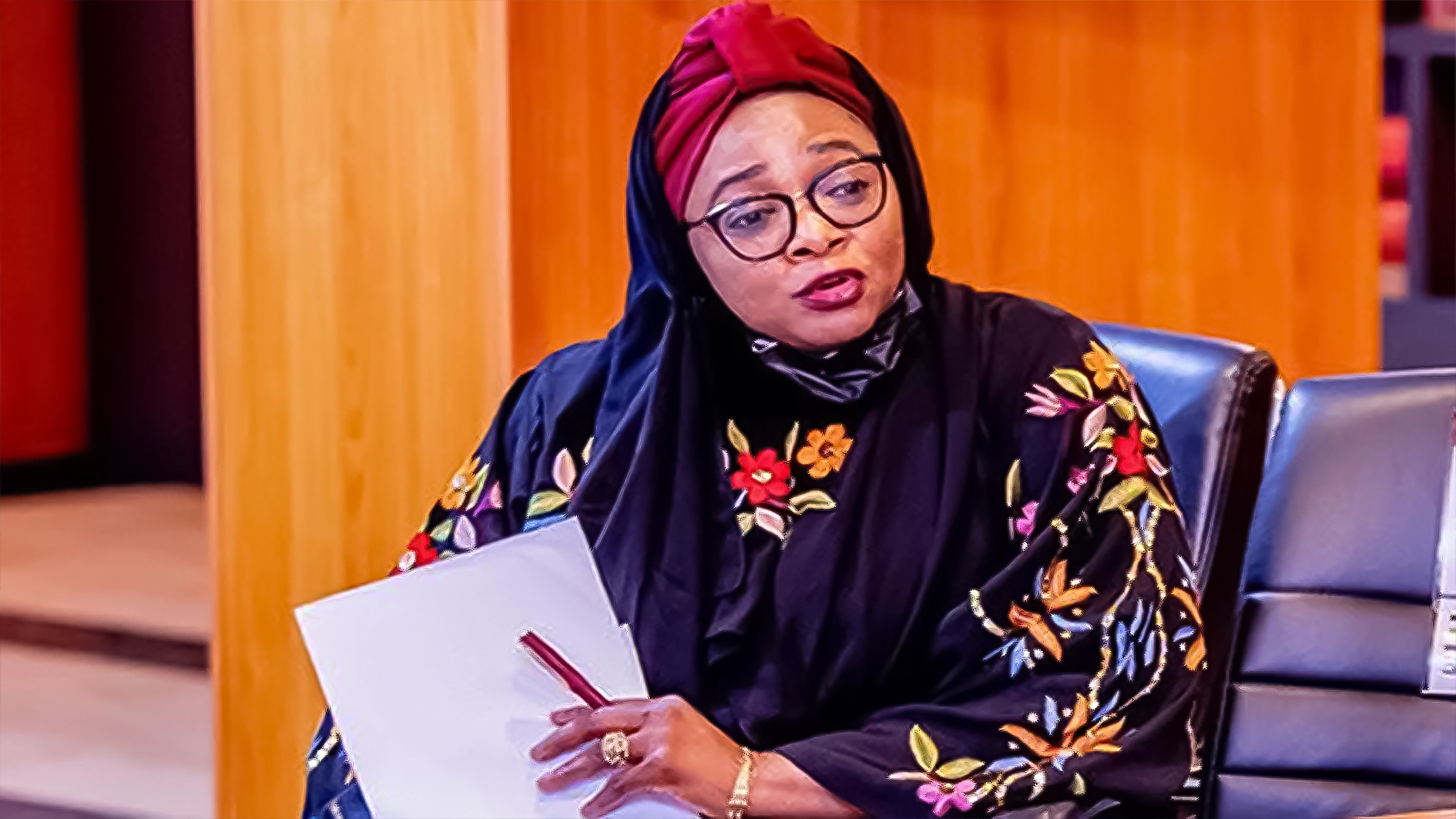
The Federal Government has called for a fundamental shift in the way Nigeria recognises, finances and delivers care, saying the disproportionate burden of unpaid care and domestic responsibilities borne by women and girls is limiting their participation in employment, entrepreneurship, education, leadership and other areas of economic life.
The Minister of Women Affairs and Social Development, Imaan Sulaiman-Ibrahim, made the call in Abuja at the National Care Sector Development Workshop, Consultation on the Care Digital Platform and Draft National Care Policy Economy Summit.
The Minister, who was represented at the event by the Permanent Secretary of the Ministry, Mrs Esuabana Nko Asanye, said Nigeria could not fully harness the productive potential of its women while millions remained constrained by unequal care responsibilities.
She said care should no longer be treated merely as an invisible household obligation but recognised as an essential component of the country’s economic infrastructure.
According to the Minister, the growing demand for childcare, healthcare, disability support and elderly care, coupled with increasing female participation in paid employment and entrepreneurship, had made it necessary for Nigeria to rethink how care was organised, financed and delivered.
“This is not simply a women’s issue. It is an issue of economic efficiency, social justice and national development,” she said.

The Minister noted that a properly structured care economy could support the expansion of early childhood development services, childcare centres, community and home-based care, disability support, elderly care and professional care services.
She added that investment in the sector could also create employment opportunities for young people, women entrepreneurs, social enterprises, cooperatives and private-sector providers.
Unpaid care work
Sulaiman-Ibrahim said the transformation of Nigeria’s care sector must go beyond professionalising paid care work to include recognition of the millions of Nigerians, particularly women and girls, providing unpaid care within households.
She noted that although unpaid care work does not ordinarily appear in national income statistics, it has significant economic value because caring for children, older persons, persons with disabilities and other household members enables others in the family to participate in paid employment and other economic activities.
The Minister therefore called for better data to measure unpaid care work and establish its contribution to the Nigerian economy.
She also stressed that people who provide care deserve protection, dignity and decent livelihoods.
Linking care to social protection
The Minister linked care reform to social protection, warning that families should not be pushed into poverty simply because they have children, older persons, persons with disabilities or members requiring intensive care.
She advocated stronger social protection interventions, including child benefits, cash transfers, disability support, maternity protection and other family-support mechanisms to reduce the economic burden of care on vulnerable households.
“We therefore need to strengthen the relationship between care policy and social protection policy,” she said.
Sulaiman-Ibrahim said the Ministry remained committed to strengthening early childhood development and childcare systems, supporting families and caregivers, promoting women’s economic empowerment, improving social protection, advancing decent work and creating an enabling environment for women to participate fully in economic and national development.

