 Follow Us on Google News
 Follow Us on Google Discover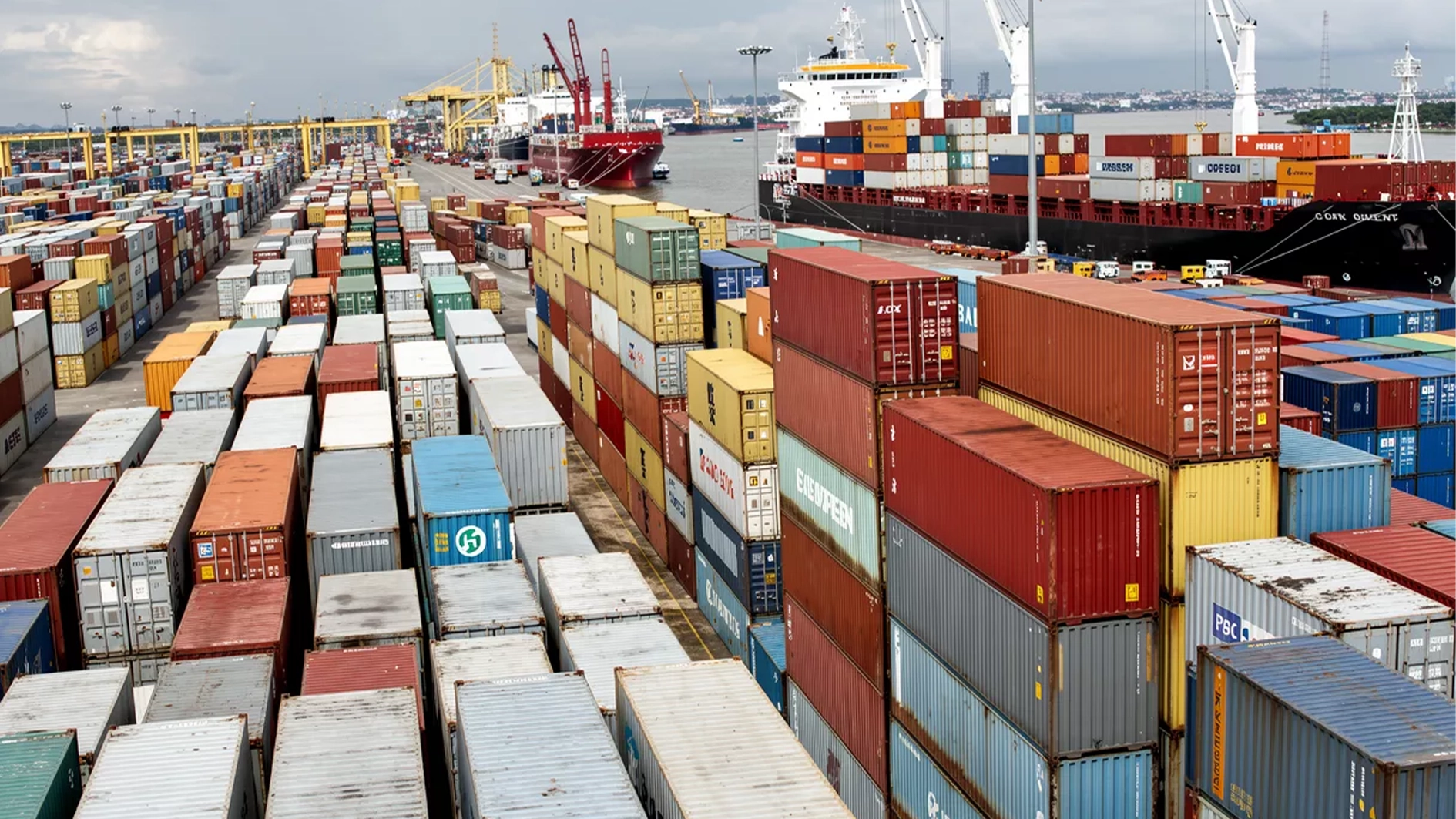
APM Terminals has strengthened efforts to ease the persistent bottlenecks in Nigeria’s export logistics chain through the Apapa port.
APM Terminal said it was targeting a 60 per cent increase in rail cargo evacuation and introducing round-the-clock barge operations in the fourth quarter of 2026 to ease bottlenecks.
The initiatives were revealed at the third edition of the APM Terminals Apapa Exporters Forum, held in Lagos, which brought together exporters, shipping lines, logistics operators, regulators, industry stakeholders and academia to identify challenges across Nigeria’s export supply chain and develop practical solutions.
Speaking at the forum, Head of Commercial at APM Terminals Apapa, Kayode Olufemi-Daniel, said the terminal was taking a collaborative approach to improving export logistics by focusing on the root causes of delays and working with stakeholders to develop practical solutions.
He said the terminal was expanding its barging capability through its dedicated finger jetty, which would commence 24-hour operations in Q4 2026.
According to him, the facility would support both incoming and outgoing containers, allowing customers to move export cargo into the terminal, evacuate imports and bring in empty containers around the clock.

“This gives us the capacity to handle more barges, unlike the past when we had to do barging on our main quay. We now have additional barging capacity, which will be operated on our Finger Jetty,” he said.
He said the terminal was equally strengthening communication with shipping lines, exporters, importers and regulatory agencies to improve cargo visibility and streamline operations.
Olufemi-Daniel said the aim was to bring back cargo volume to Apapa port, making it the country’s export gateway, particularly as the Federal Government intensified efforts to diversify the economy and increase non-oil exports
Key Client Manager, APM Terminals Apapa, Adesoji Olaniyan, said a major component of the terminal’s strategy was the expanded use of rail, setting an ambitious target of moving 60 per cent of its export containers by rail.
He said the terminal currently operates rail evacuation arrangements through two locations, enabling customers to collect empty containers, stuff them and return laden export containers to the terminal by rail.
According to him, each location currently records about three weekly rail calls, depending on demand, while each train has a capacity of approximately 60 Twenty-Foot Equivalent Units (TEUs).
Olaniyan said based on the terminal’s internal assessment, rail remained the most cost-effective evacuation option.
Customer Service Manager, COSCO Shipping Lines Nigeria, Precious Idika, highlighted the effectiveness of the terminal’s Team View portal in simplifying gating processes for customers.
Idika said customers could complete their payment advice through the portal, while shipping lines also play their part by ensuring that Team View is updated.
Lagos Business School (LBS) faculty member Prof. Frank Ojadi, emphasised that the forum was an important channel for sustained engagement.
Ojadi urged APM Terminals to extend the initiative beyond Lagos to major commercial and export-producing centres such as Kano and Port Harcourt.

