 Follow Us on Google News
 Follow Us on Google Discover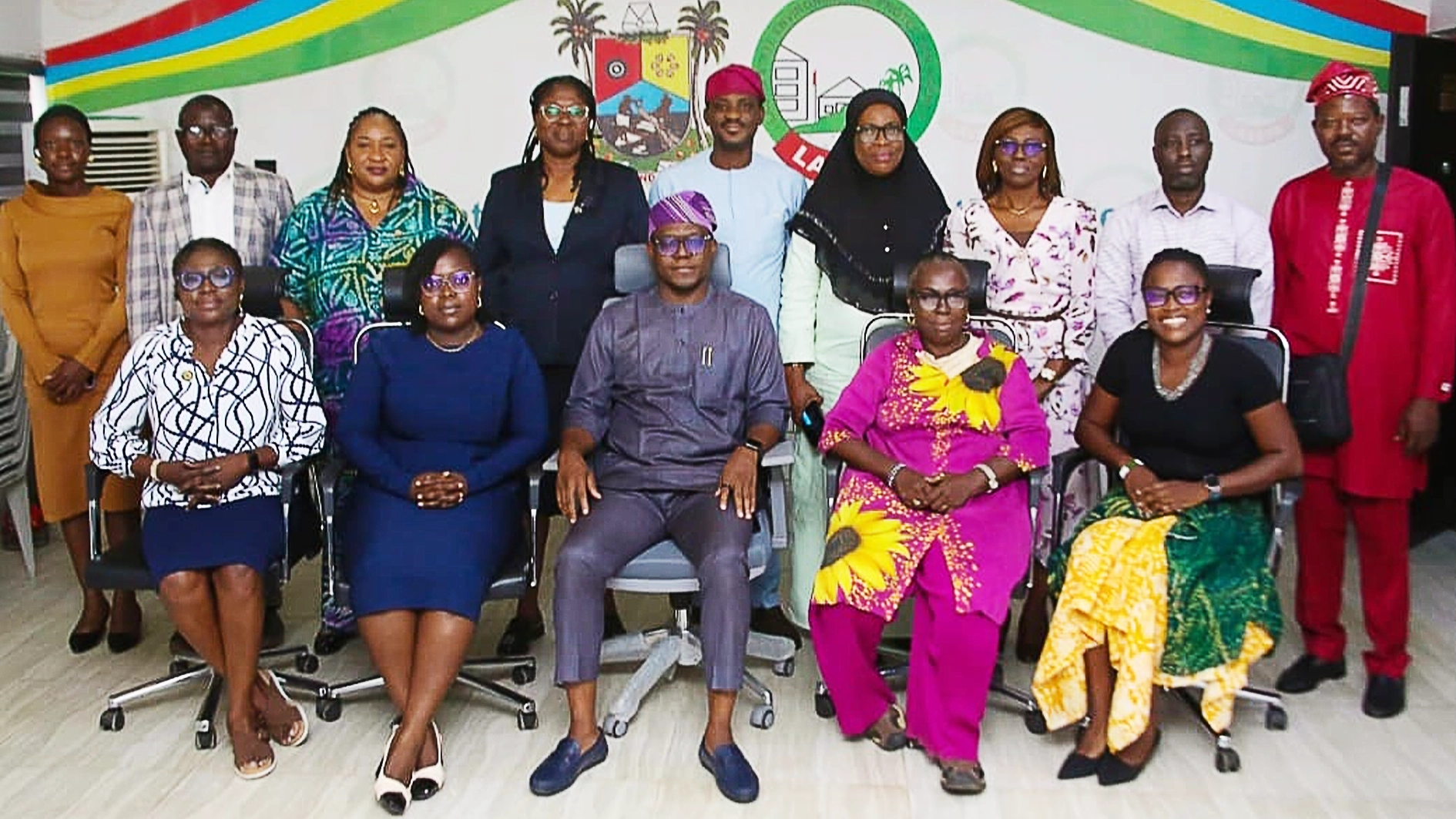
The African Cities Research Consortium (ACRC) and the Lagos State Environmental Protection Agency (LASEPA) are exploring a partnership to scale a community-led waste management model designed to reduce waste generation, promote recycling and create economic opportunities for residents.
The model, being piloted in Ajegunle-Ikorodu, Kosofe Local Government Area, gives residents a more active role in sorting, recovering and creating value from waste, while strengthening the participation of informal waste workers, women and young people in the circular economy.
The proposed collaboration emerged during a meeting between the ACRC team, led by its Lagos City Manager, Dr Temilade Sesan, and the LASEPA General Manager, Dr Babatunde Ajayi, alongside senior management officials of the agency.
ACRC, domiciled at the Centre for Housing and Sustainable Development (CHSD), University of Lagos, used the engagement to present its research and community interventions in Lagos, including projects covering housing, waste management, climate change, and Water, Sanitation and Hygiene (WASH).
Presenting the Ajegunle-Ikorodu Community-Led Sustainable Waste Management Model, Mr Deji Akinpelu of Rethinking Cities said the initiative was designed to shift the focus from conventional waste evacuation to waste reduction, recovery and resource utilisation at community level.
He said the project had established community collection points, introduced recycling education programmes and was piloting women- and youth-led waste enterprises.

According to him, the model is also supporting informal waste workers, promoting waste sorting at source, converting organic waste into useful products and reducing the quantity of waste ultimately transported to dumpsites.
Akinpelu urged LASEPA to visit the Ajegunle-Ikorodu hub, participate in the project’s review, develop simple composting standards for local councils, and designate a food-waste focal officer.
The engagement provided an opportunity for ACRC to share the methodology, achievements and prospects of the intervention and examine how the model could complement LASEPA’s environmental mandate and the state’s efforts to improve sustainable waste management.
Responding to the presentation, Ajayi described the initiative as a “step in the right direction” and a proof of concept, stressing that lasting environmental change could not be achieved through government directives alone.
He said communities must have the capacity, ownership and incentives to participate actively in environmental solutions.
Ajayi noted that although Lagos had sustained advocacy and enforcement on waste separation, approaches that link environmental responsibility with tangible social and economic benefits could strengthen behavioural change.
He said scaling the model would require a coordinated approach involving key stakeholders across the environmental sector, including the Lagos State Waste Management Authority (LAWMA), relevant ministries, local governments, Community Development Associations (CDAs), recyclers and informal waste workers.
Such collaboration, he added, would be particularly important in communities where conventional waste collection systems face operational challenges.
The LASEPA boss also assured the ACRC team of the agency’s technical support to ensure that waste recovery, recycling and composting activities are undertaken safely and in accordance with environmental standards.
Ajayi pledged to assign an officer to coordinate follow-up and requested an itemised list of collaboration areas with timelines.
Members of the ACRC team during the visit included community leaders from Ajegunle-Ikorodu and the Lagos Uptake Lead, Mr Mojeed Alabi.

