 Follow Us on Google News
 Follow Us on Google Discover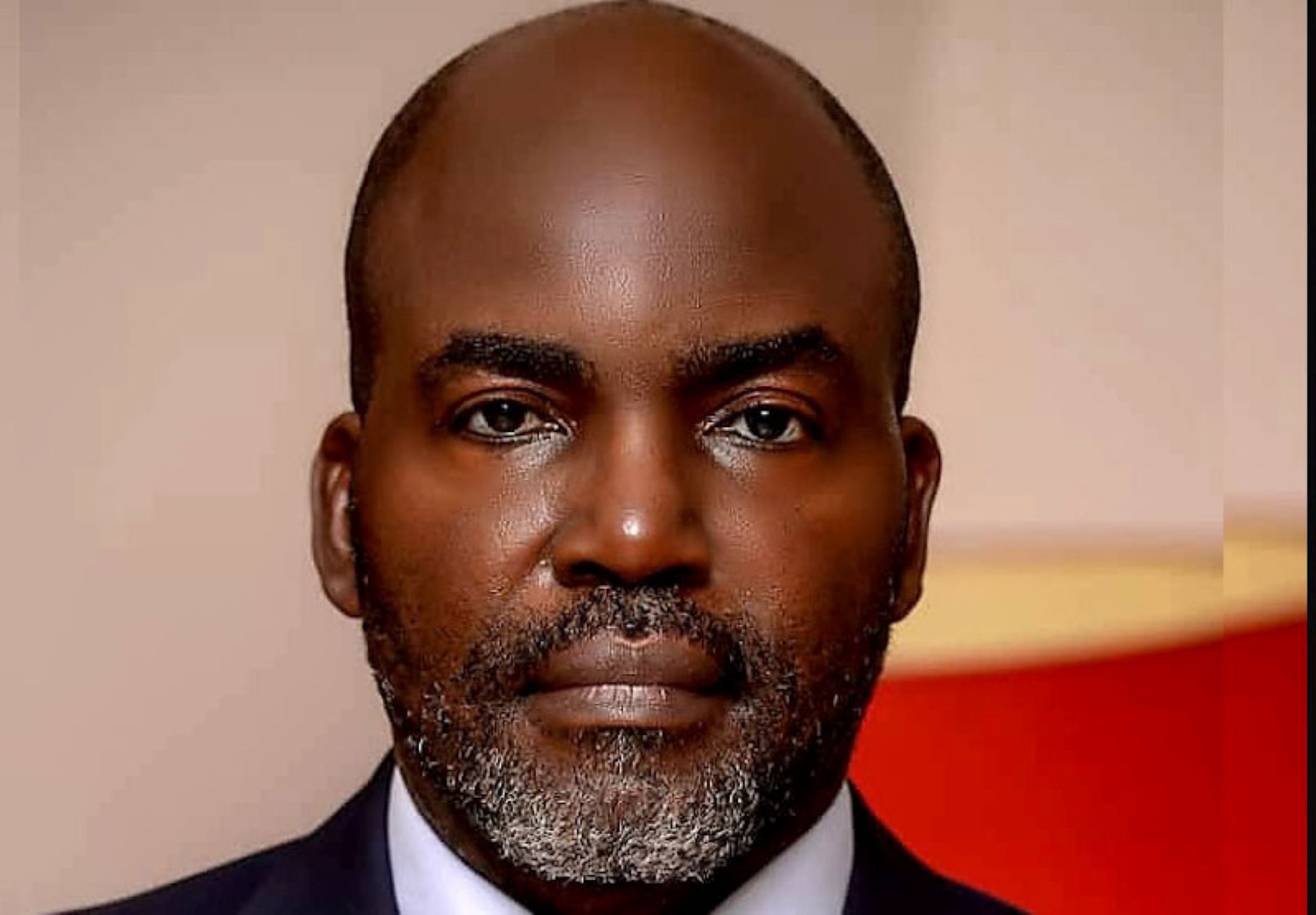
…Says Deltans will choose their Governor
Irked by recent political developments in Delta State, the governorship candidate of the Nigeria Democratic Congress (NDC), Chris Iyovwaye, has rejected the endorsement of Governor Sheriff Oborevwori by Urhobo traditional rulers, insisting that no traditional institution can determine who becomes governor of Delta State.
Reacting to a communiqué issued by the Ukoko R’Ivie R’Urhobo, in which Urhobo traditional rulers endorsed Oborevwori as the “sole candidate” of the Urhobo nation for the 2027 governorship election, Iyovwaye said their role as custodians of Urhobo culture and tradition should not be confused with the constitutional powers of the electorate.”I hold our royal fathers and the exalted institutions they represent in the highest esteem.
”With that deep respect, we must clearly distinguish between traditional counsel and constitutional authority. Our royal fathers have every right to express their views and give guidance where necessary.
”However, under the 1999 Constitution of the Federal Republic of Nigeria, the electorate alone has the authority to elect the Governor of Delta State through the ballot box. An endorsement, no matter how dignified its source, cannot supersede or extinguish Deltans’ democratic right to choose their leaders.
He urged Deltans to assess the performance of the Oborevwori administration before deciding who to support in the 2027 election, rather than treating the traditional rulers’ endorsement as a political verdict, adding that job creation, industrial development, support for businesses, infrastructure, healthcare, education and economic diversification should be central to that assessment.

Iyovwaye also raised questions about the benefits of Oborevwori’s decision to move from the Peoples Democratic Party (PDP) to the All Progressives Congress (APC).He recalled that the governor had explained the move as necessary to align Delta State with the Federal Government and improve the state’s access to federal resources, while describing President Bola Tinubu’s re-election as his “number one political project”.
Iyovwaye said the alignment therefore created an obligation for the administration to demonstrate measurable benefits to Deltans.
“If the rationale for political alignment is improved access to federal resources, Deltans should be able to see the impact in their daily lives,” he said.
The NDC candidate said government at both the federal and state levels should ultimately be assessed by policy outcomes rather than political affiliations. He acknowledged the state government’s reported investments in roads, bridges and other infrastructure, as well as its initiatives in human capital development and economic growth.
However, Iyovwaye argued that the size of government expenditure should not, on its own, be regarded as evidence of economic transformation.He cited the Delta State Government’s 2026 budget proposal, which projected total expenditure of ₦1.664 trillion, including ₦720 billion from statutory allocation, ₦250 billion from internally generated revenue and ₦120 billion from Value Added Tax (VAT).
”“The central question should no longer simply be: ‘How much revenue does Delta State receive?’ The more important question is: ‘What measurable economic transformation are Deltans receiving in return for these substantial resources?’” he said.
Against the scale of the proposed spending, he challenged the administration to provide measurable evidence of the number of sustainable private-sector jobs created, new industries established, improvements in the business environment and infrastructure developed to support businesses.He also called for clearer evidence of progress in healthcare and education.
Iyovwaye further questioned whether the state was creating enough opportunities to retain its young population, asking whether more young Deltans were finding viable livelihoods at home or continuing to relocate to Lagos, Abuja and overseas.
He said the 2027 election should therefore be an opportunity for voters to examine the record of the government and compare competing visions for the state, regardless of endorsements from political or traditional institutions.

