GDN SIDEBAR
Every October 1, Nigeria turns green and white. Flags appear on cars and rooftops. Streets, schools, and offices are decorated. Old photographs from 1960 reappear across newspapers and social media, and the familiar story of Nigeria’s independence is told once again.
But beyond the famous images of the flag-raising ceremony lies a much bigger story.
Nigeria’s independence was not a single event that happened overnight. It was the result of decades of nationalist agitation, constitutional negotiations and political compromise. It was also a carefully choreographed national celebration involving politicians, diplomats, musicians, manufacturers, journalists and thousands of ordinary Nigerians who gathered to witness history.
Here are 10 fascinating things about Nigeria’s Independence Day.
1. Federal Palace Hotel hosted Nigeria’s 1960 independence celebrations
Federal Palace Hotel in Lagos hosted celebrations marking Nigeria’s independence in 1960. Its owning company records that celebrations took place in the hotel’s Independence Hall.
The independence ceremony took place at Lagos Race Course, now Tafawa Balewa Square, where the British flag was lowered, and Nigeria’s flag raised. Federal Palace hosted events connected to the celebrations.
2. Jaja Wachuku received Nigeria’s Instrument of Independence
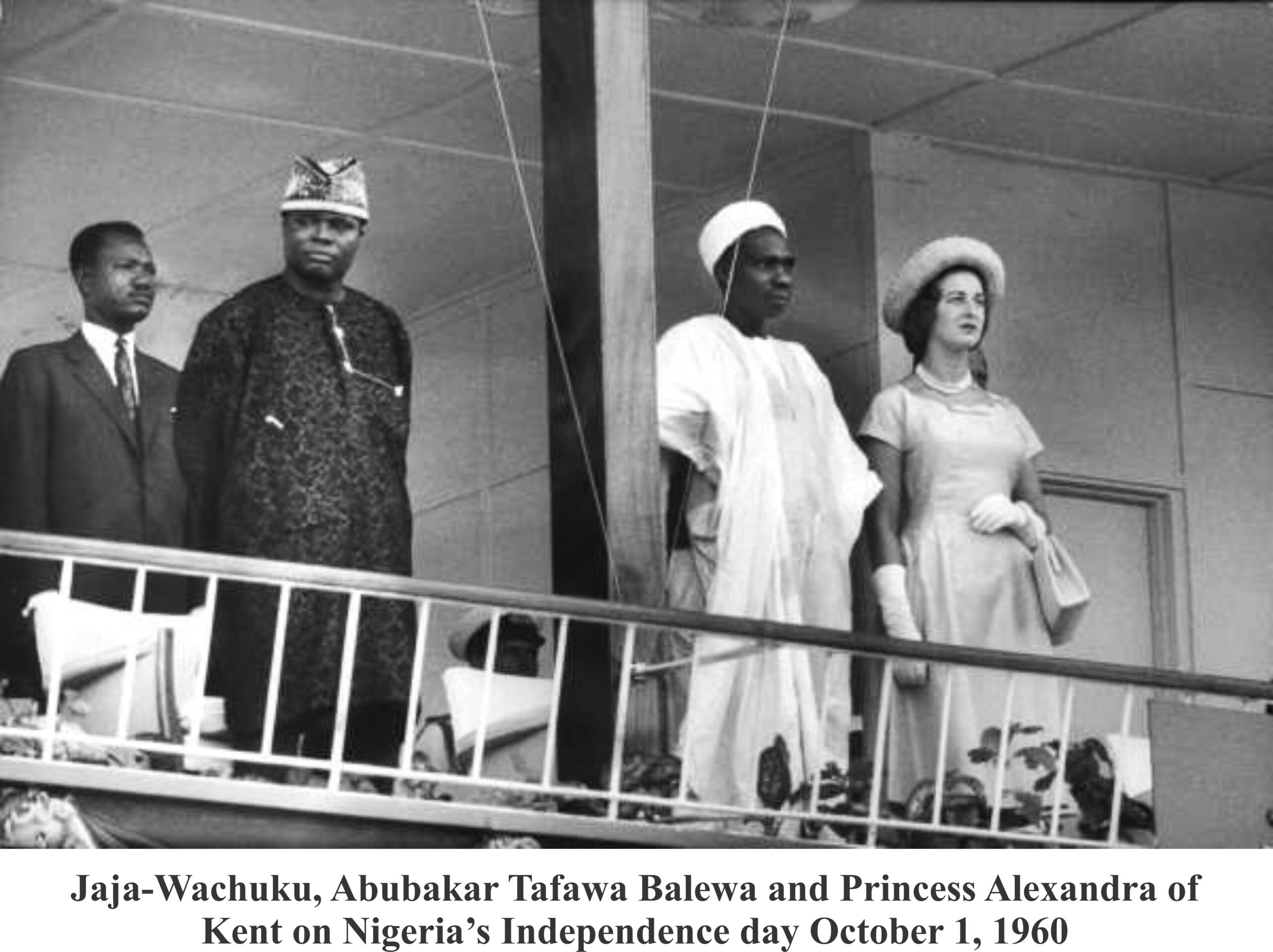
One of the most significant moments of the independence ceremony involved Jaja Anucha Wachuku, the first indigenous Speaker of Nigeria’s House of Representatives.
During the celebrations, Princess Alexandra of Kent, who represented Queen Elizabeth II, formally presented Nigeria’s Instrument of Independence, sometimes referred to as the Freedom Charter, to Wachuku. The document officially transferred authority from Britain to Nigeria.
His role highlights an often-forgotten reality: independence was not the achievement of one individual but the result of the efforts of many nationalists, legislators and negotiators.
3. Independence celebrations reportedly cost about £1 million
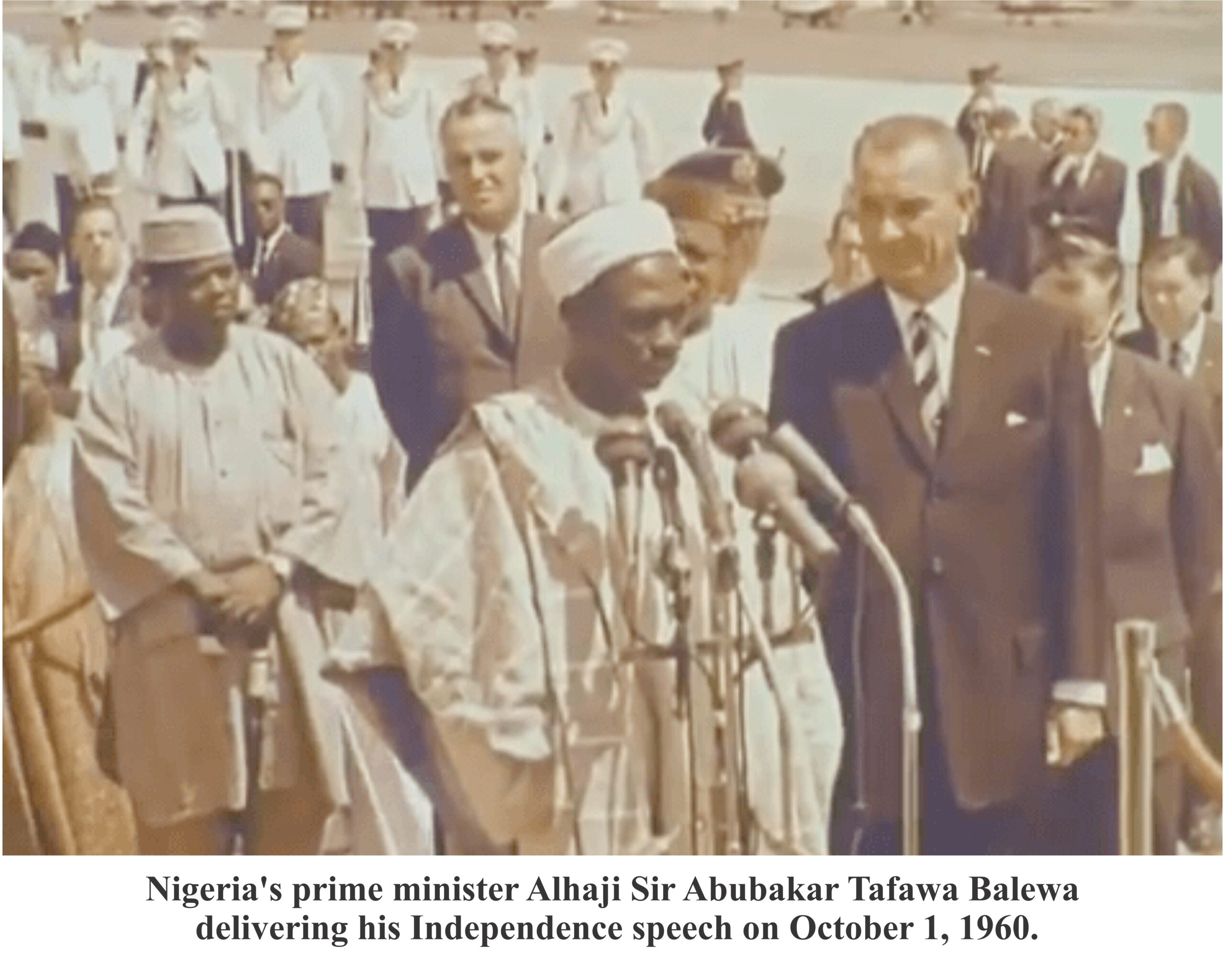
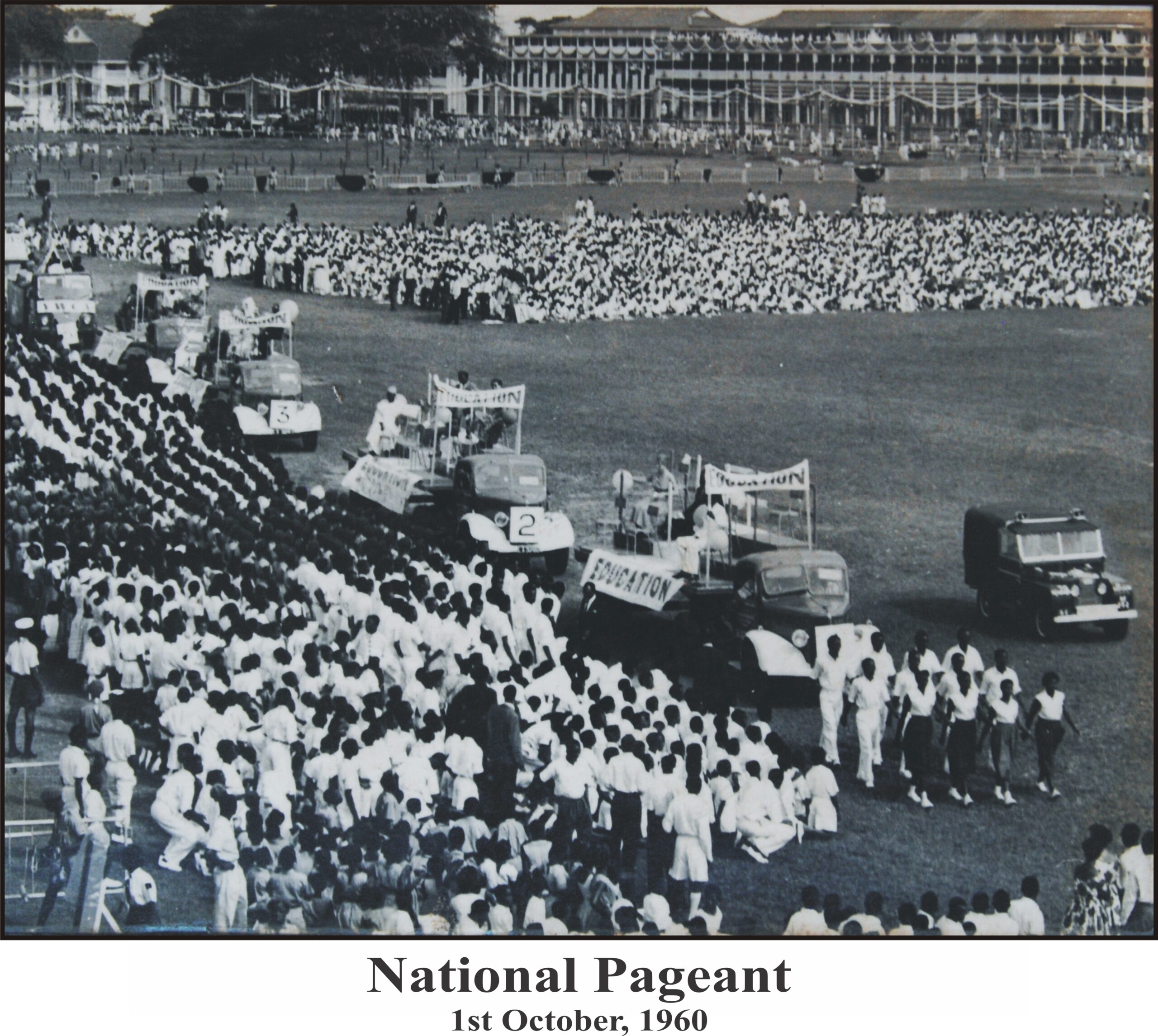
The celebrations surrounding independence were grand by any standard. Preparations involved hosting foreign dignitaries, Commonwealth representatives, international journalists and guests from around the world. Lagos underwent extensive preparations, with venues readied, programmes organised and ceremonial arrangements carefully planned.
Historical accounts commonly report that approximately £1 million was allocated for the celebrations, a significant amount in 1960 and a reflection of how important the event was considered both at home and abroad.
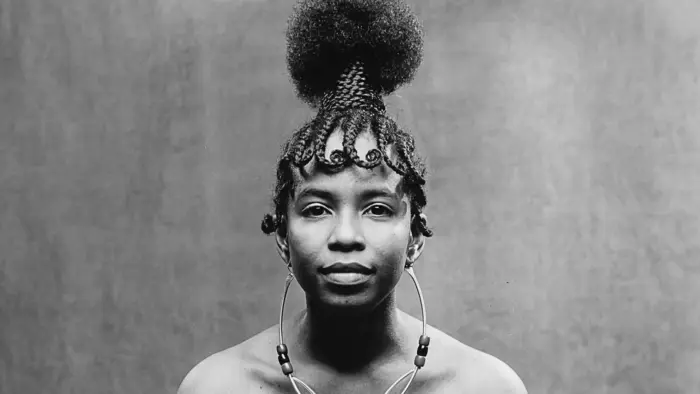
4. Rosemary Anieze Was Nigeria’s Miss Independence
Rosemary Nkem Anieze captured national attention when she was crowned Miss Nigeria 1960, the same year Nigeria gained independence. Her victory coincided with one of the most important moments in the country’s history, and she quickly became known as Miss Independence, symbolising the excitement, confidence and promise of a newly independent nation.
Her influence extended beyond the pageant stage. Anieze went on to build a successful career in broadcasting and television, working with Western Nigeria Television and later the Nigerian Television Authority (NTA). Her grace, eloquence and public presence made her one of the most memorable cultural figures associated with Nigeria’s independence era.
5. Nigerian musicians wanted local talent to lead the celebrations
The independence festivities sparked debate about who should provide the entertainment. Many Nigerian musicians argued that local performers should be given the opportunity to headline the country’s most important national celebration rather than relying heavily on foreign acts.
6. Victor Olaiya helped provide the soundtrack of independence
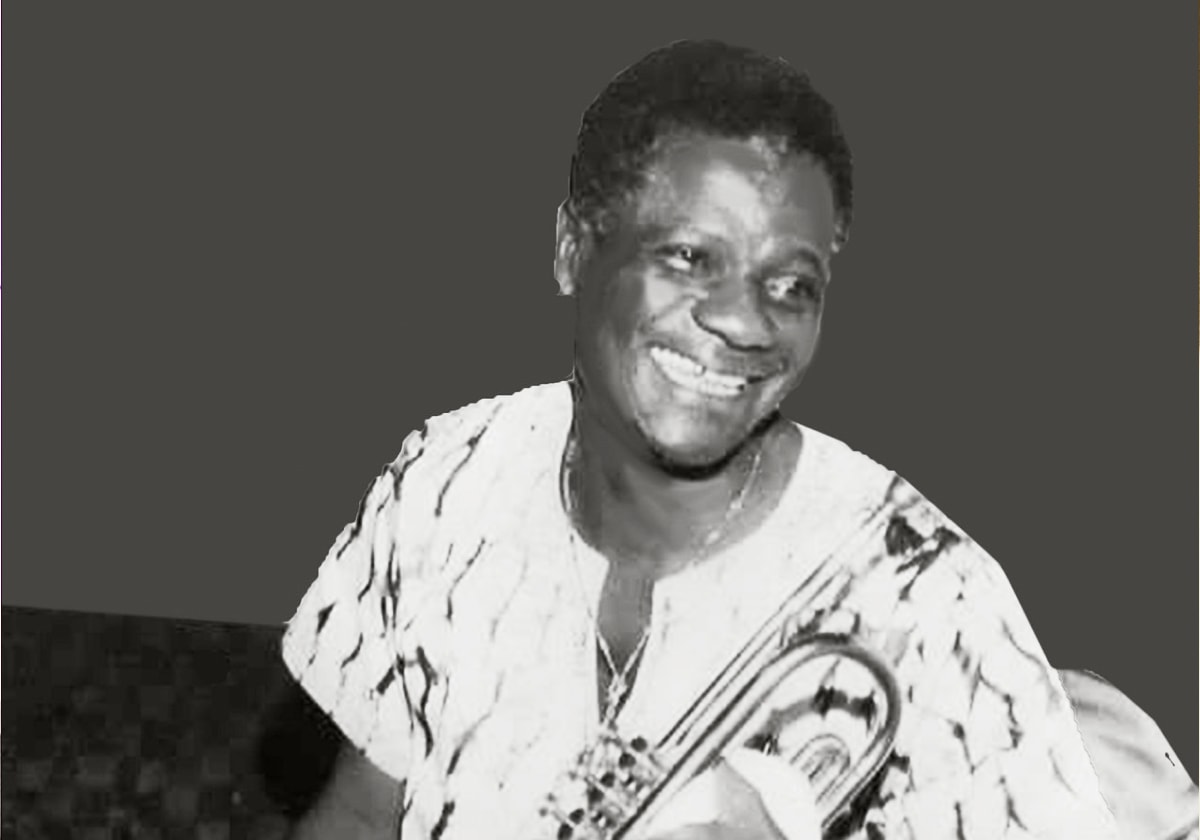
Victor Olaiya
Among the musicians associated with the celebrations was legendary highlife trumpeter Victor Olaiya. Olaiya and his band performed at the Independence State Ball in Lagos, one of the most prestigious events held during the celebrations. His presence demonstrated how closely music and nation-building had become linked. As Nigeria stepped onto the world stage, its leaders wanted the country’s celebrations to sound unmistakably Nigerian.
7. The celebrations continued beyond October 1
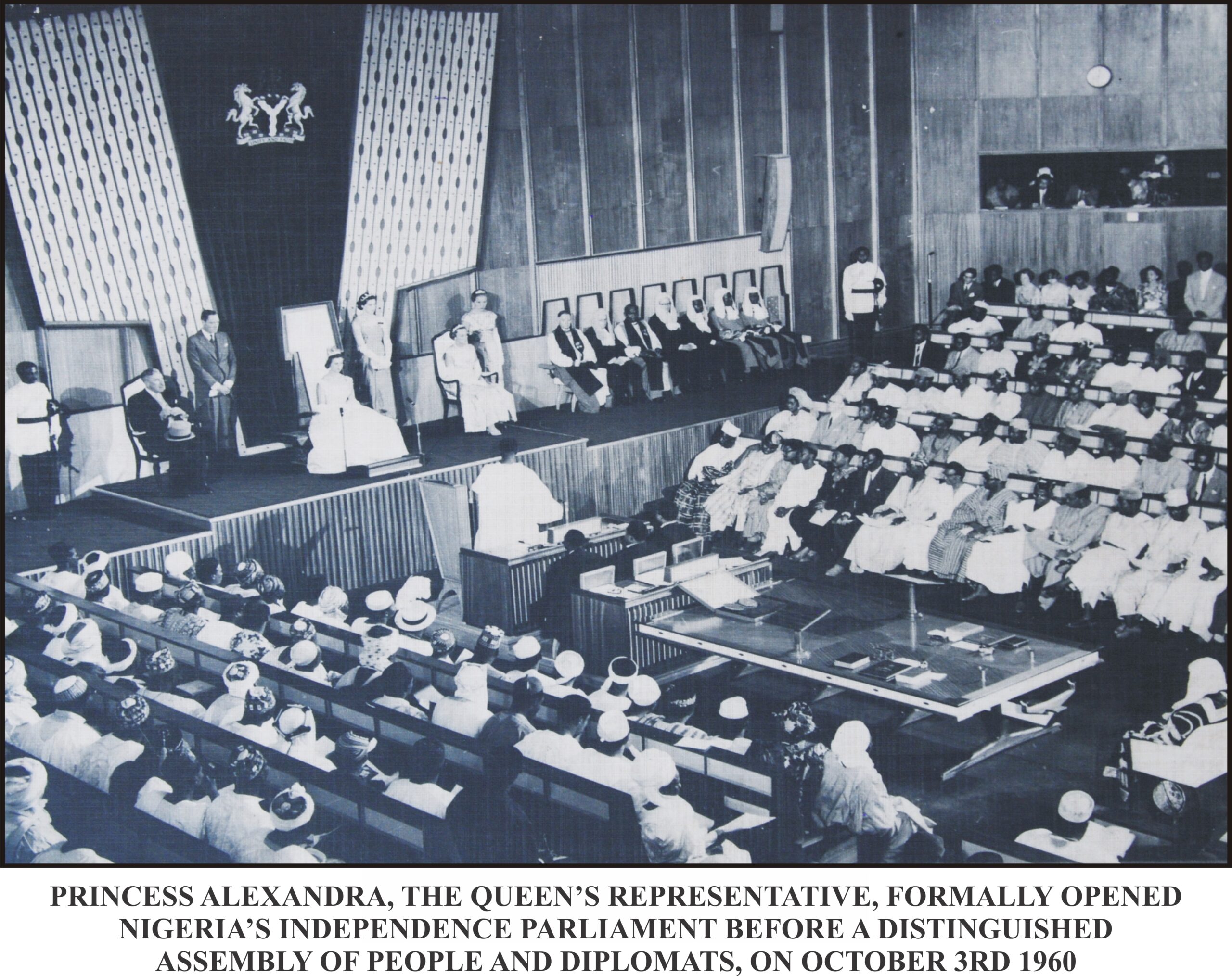
Although October 1 was the defining date, the programme of events extended beyond Independence Day itself. One of the most important follow-up events occurred on October 3, 1960, when Nigeria’s first federal Parliament was formally opened by Princess Alexandra on behalf of Queen Elizabeth II.
The period immediately following independence was also significant diplomatically, as Nigeria rapidly established itself within the international community. Independence was less a single ceremony than the beginning of a broader transition into nationhood.
8. Princess Alexandra arrived days before independence
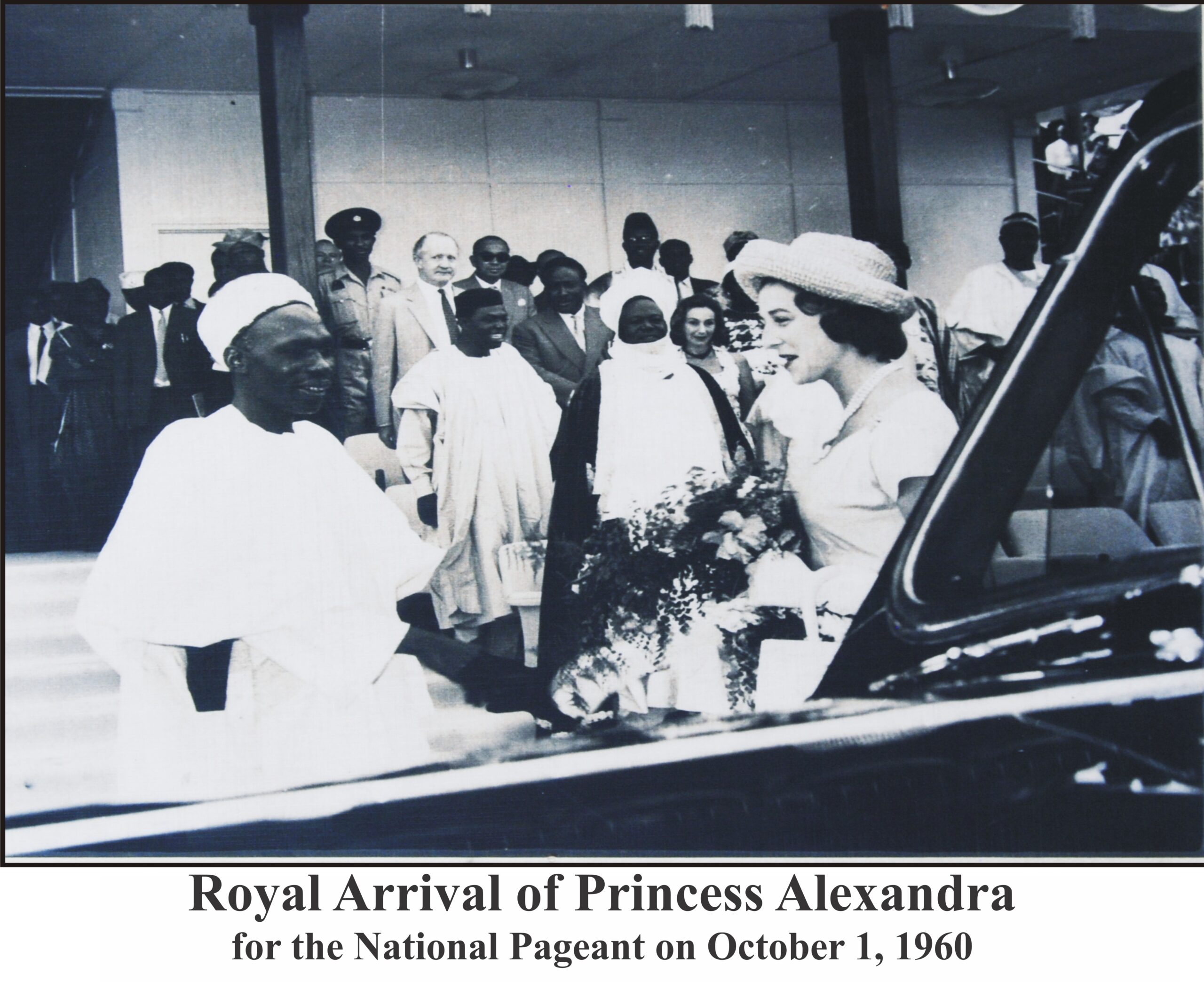
Princess Alexandra of Kent was one of the most prominent guests at the celebrations. Representing Queen Elizabeth II, she arrived in Lagos several days before October 1 and participated in numerous official engagements, receptions and ceremonial duties.
Her visit attracted considerable international attention and highlighted the importance Britain and the wider Commonwealth attached to Nigeria’s transition to self-government.
9. Nigeria was independent but not yet a republic
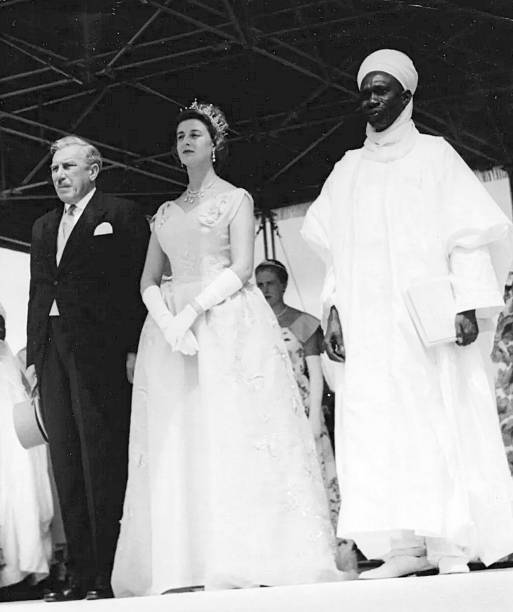
Many people assume Nigeria became a republic immediately after independence. It did not. When Nigeria gained independence in 1960, it remained a constitutional monarchy within the Commonwealth. Queen Elizabeth II was still the country’s head of state, while Prime Minister Abubakar Tafawa Balewa led the government. A Governor-General represented the Crown in Nigeria.
Nigeria only became a republic three years later, on October 1, 1963, when a new constitution came into effect, and Nnamdi Azikiwe became the country’s first President.
10. Independence was one of the biggest media events in Nigerian history
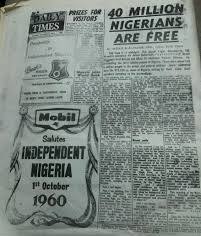
In an era before social media, independence had to be communicated through newspapers, radio broadcasts, photographs and film coverage.
Journalists from Nigeria and abroad descended on Lagos to document the historic transition. Radio broadcasts carried news of the celebrations across the country, while newspapers published special editions dedicated to the event. For countless Nigerians who could not travel to Lagos, radio became their window into history.