 Follow Us on Google News
 Follow Us on Google Discover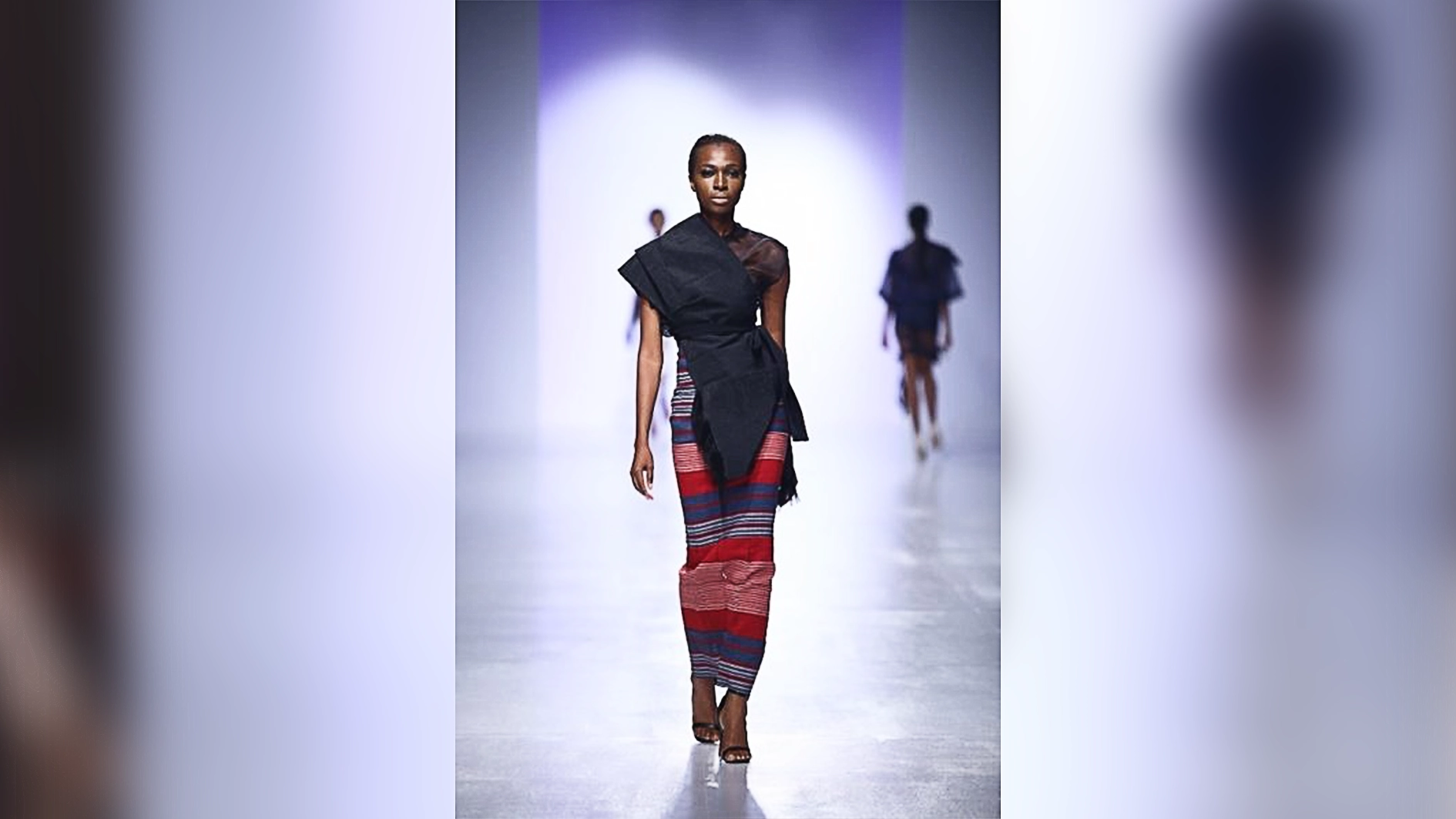
Aso-oke, Akwete, Adire and other indigenous fabrics have been familiar to Nigerians for generations as strictly traditional fabrics made for special occasions such as weddings, naming ceremonies, festivals and others. However, Nigerian designers are now showing that these fabrics can do more than dress people for core traditional ceremonies.
Across the fashion scene, designers are putting them into regular dresses for women, menswear, tailored pieces, and experimenting with colour, structure and silhouettes.
This creative innovation makes the fabrics remain recognisable, but the clothes look very different from the styles many Nigerians grew up seeing.
Fruche
Fruché brings together Akwete and Aso-Oke, using the handwoven textiles in contemporary pieces rather than keeping them within traditional silhouettes. The combination allows the different textures and patterns of the fabrics to become part of the design itself, creating looks that feel distinctly Nigerian without being conventional.
Hertunba
Hertunba takes handwoven Aso-Oke into more structured territory. In one look, the striped textile becomes a fitted, strapless column dress, allowing the weave and changing bands of colour to carry the design. In another, Aso-Oke is cut into graphic shapes and applied to a flowing dress, turning the fabric into part of the artwork.
Bhuvwoman
Bhuvwoman shows the versatility of indigenous textiles across different silhouettes. Her Adire look puts the fabric into a fitted blazer and wide-leg trousers, giving the traditionally dyed textile a tailored finish. In another look, Aso-Oke is shaped into a fitted top and fringed skirt, with the lilac colour and playful proportions giving the handwoven fabric a distinctly contemporary feel.
Haijaar
Haijaar brings the colour and intricate patterns of Akwete into contemporary dressing, combining different woven motifs across its pieces. The result is vibrant and distinctly textured while the modern cuts keep the handwoven fabric from feeling confined to traditional occasion wear.
Juoby & Co.
Juoby & Co. works with Adire in a lightweight, flowing silhouette. The patterned textile is shaped into a halter-neck dress, allowing its distinctive motifs to stand out without relying on a traditional cut.
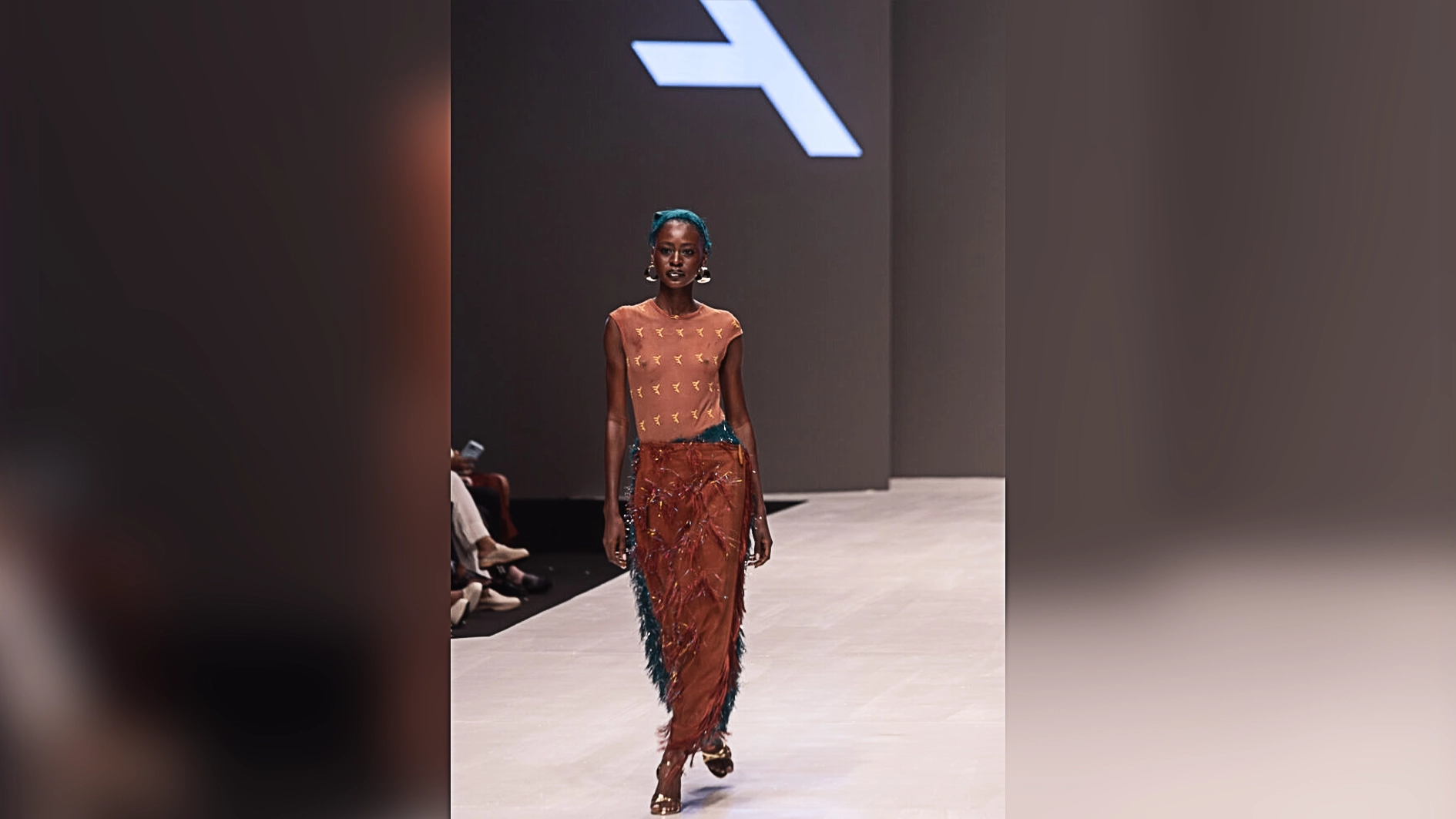 The result is a softer interpretation of Adire that fits easily into contemporary dressing.
Kenneth Ize
Kenneth Ize brings indigenous handwoven textiles into menswear, with tailoring that gives the fabric a sharper edge. This look pairs a colourful, striped woven waistcoat with crisp white trousers. The contrast keeps the outfit modern while allowing the texture and pattern of the textile to remain the focal point.
Emmy Kasbit
For Emmy Kasbit, Akwete takes centre stage in menswear. The handwoven textile is used for a relaxed sleeveless top and matching trouser with the rich teal colour giving the traditional fabric a fresh expression. The loose silhouette also moves the textile away from the more formal styles in which indigenous fabrics are often seen.
These interpretations show that the future of indigenous fabrics does not necessarily mean changing the fabrics themselves. Sometimes, it is simply about changing what we do with them.

