 Follow Us on Google News
 Follow Us on Google Discover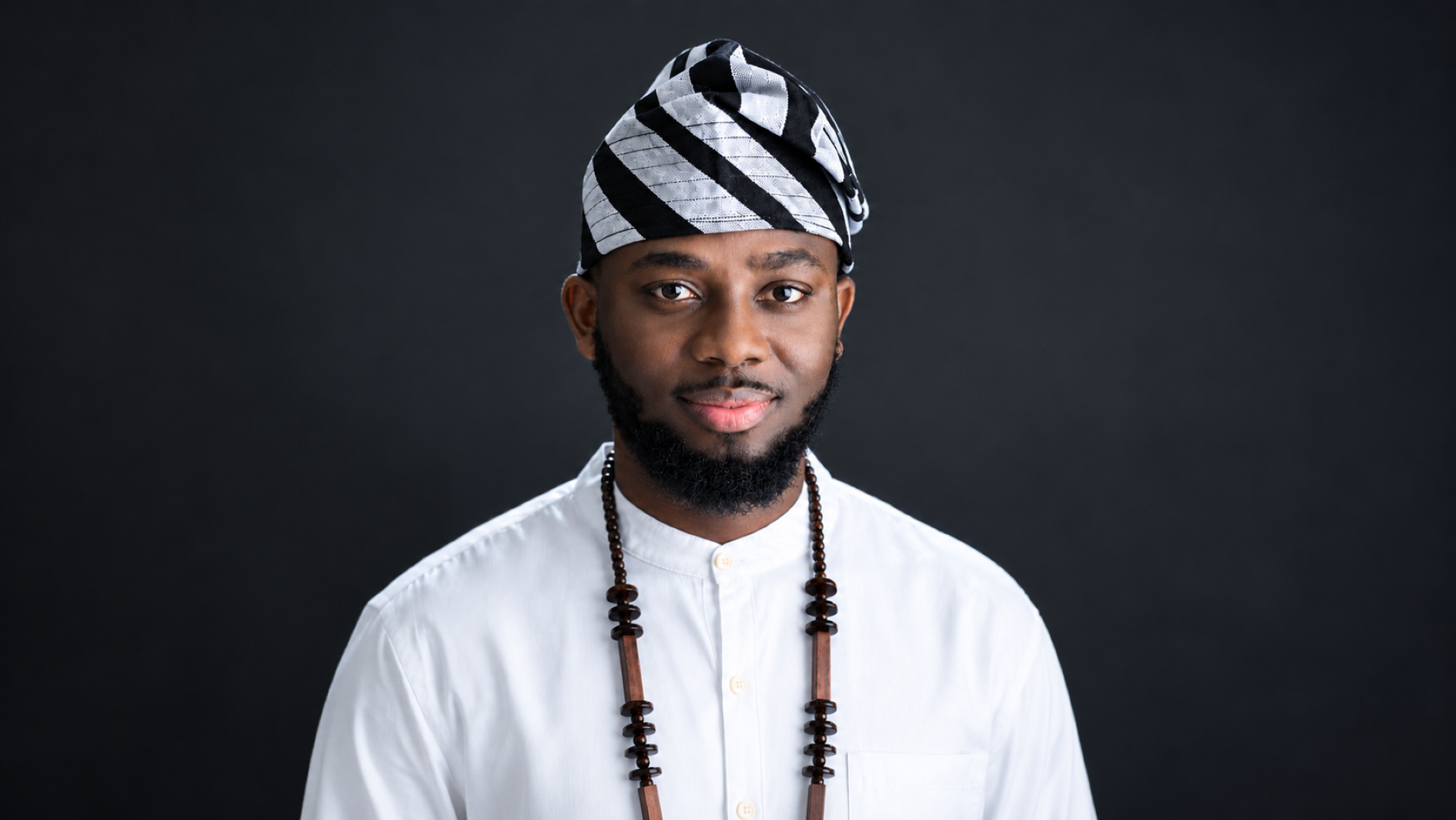
US-based Nigerian musician, Temidayo Balogun in this interview urges upcoming artists to develop unique identity
How did your journey from Nigeria to becoming a professional musician in Boston begin?
My journey began in Nigeria, and that foundation still travels with me. Studying at Peter King College of Music and MUSON School of Music helped me develop the discipline to shape my musical ideas more clearly. That journey later brought me to Longy School of Music in Cambridge, where I continued to grow through study and collaboration. Each environment broadened my ears. Nigeria gave me a musical foundation and a cultural grounding; my experiences here have opened more possibilities for expressing them. The journey is still unfolding every time I pick up an instrument.
How has your Nigerian identity shaped the music you make today?
My Nigerian identity lives inside the way I hear. It shapes my relationship with rhythm, the movement of a phrase, and the stories I feel responsible for carrying. Being Yoruba gives me a particular doorway into that experience. Language, cultural memory, and spiritual thought all offer musical possibilities. Sometimes that presence is obvious; sometimes it sits quietly beneath a composition. I want to give those influences room to breathe and develop. The music can travel widely and still carry the texture of where I come from.
What does Afrolution mean to you, and what inspired the project?
For me, Afrolution holds a question: how do we move forward as Africans while staying conscious of what we carry? The project grows from my interest in African identity, cultural memory, and the possibilities of contemporary music. I wanted to create space for our histories and our imagination to exist together for reflection to sit beside movement, and for difficult questions to enter through sound. I hear the album as part of an ongoing conversation. Our heritage continues to grow through the people who practise it, question it, and find new ways to express it. Afrolution is my contribution to that process.
Why did you choose to combine contemporary jazz with African musical traditions?
Both are part of my musical life, so they naturally meet in my compositions. I’m drawn to the freedom of improvisation, the possibilities of harmony, and the ways musicians can respond to one another in the moment. My grounding in Yoruba and other West African musical practices brings its own rhythmic ideas and ways of shaping a musical conversation. When I compose, I listen for where those relationships become interesting. A phrase might suggest a rhythm; that rhythm might open a different harmonic direction. I want the meeting to feel alive, with enough space for the musicians to bring themselves into it.
Your music deals with democracy, African identity and political history. Why do you believe musicians should engage with these issues?
Because these things enter people’s lives long before they enter a song. They influence whose voice is heard, whose future feels possible, and what a community learns to accept. I don’t believe every musician must address politics in the same way. Joy, tenderness, and celebration also have an important place. But the questions that trouble me will naturally find their way into my work. Music allows us to stay with a difficult feeling. Someone may encounter a composition through its rhythm and leave with a question about freedom or responsibility. That possibility matters to me.
What inspired your reference to Patrice Lumumba, and what does his story mean to you today?
Patrice Lumumba represents, for me, the weight of sacrifice and the responsibility of remembrance. His story makes me reflect on those who gave themselves to a future they would never experience, and what it means for us to inherit their hopes. I approached the composition with that spirit. Its melodic connection to a Celestial Church of Christ hymn evokes remembrance of the departed. I wanted the music to hold a space where we could mourn, honour, and listen. The movement through different tonal centres expresses another conviction: Africa’s many voices can find strength together while keeping their distinct identities. That is the sentiment behind “To The One Who Gave For Us To Have.” Lumumba’s memory asks something of us today: what are we doing with the possibilities others sacrificed to create, and what will we make possible for those coming after us?
What does the Yoruba concept of “Ori” mean to you, and why was it important enough to become part of the album?
In “Ori I: Concept of Democracy,” I approach Orí as our inner essence and destiny. Our direction emerges through our own choices and through our relationships with others. That relationship becomes a way of imagining democracy: each person has a voice, and each person carries responsibility for our shared life. I wanted this idea within Afrolution because Yoruba thought offers resources for imagining our future. The journey inward can help us understand how to live together.
What has establishing yourself in Boston’s jazz community taught you about being an African musician in the diaspora?
It has deepened my understanding of listening. Working in different musical settings, including The Makanda Project and the New England Jazz Collaborative, creates opportunities to encounter other approaches and contribute my own. As an African musician in the diaspora, I’m interested in how you remain open while staying grounded. You can learn from the room and bring something particular into it. Distance also gives you another perspective on home. You begin to examine what you carry more consciously, and how you want it to live in your work. That is an ongoing education.
What would you like Nigerian audiences to understand about your music and the journey you are building abroad? I would like them to hear the continuing relationship with home. Nigeria remains present in my musical thinking, even as my experiences and collaborations expand. Some of the music may invite a different kind of listening. I hope people will give it time, follow its movement, and discover their own connection to it. Through my work with BTmA Records, I’m trying to help build more room for African creative music and the artists who carry it. I want this journey to create possibilities that others can share in. Wherever the music takes me, that responsibility remains close.

