 Follow Us on Google News



 Follow Us on Google Discover
By Joy Dennis
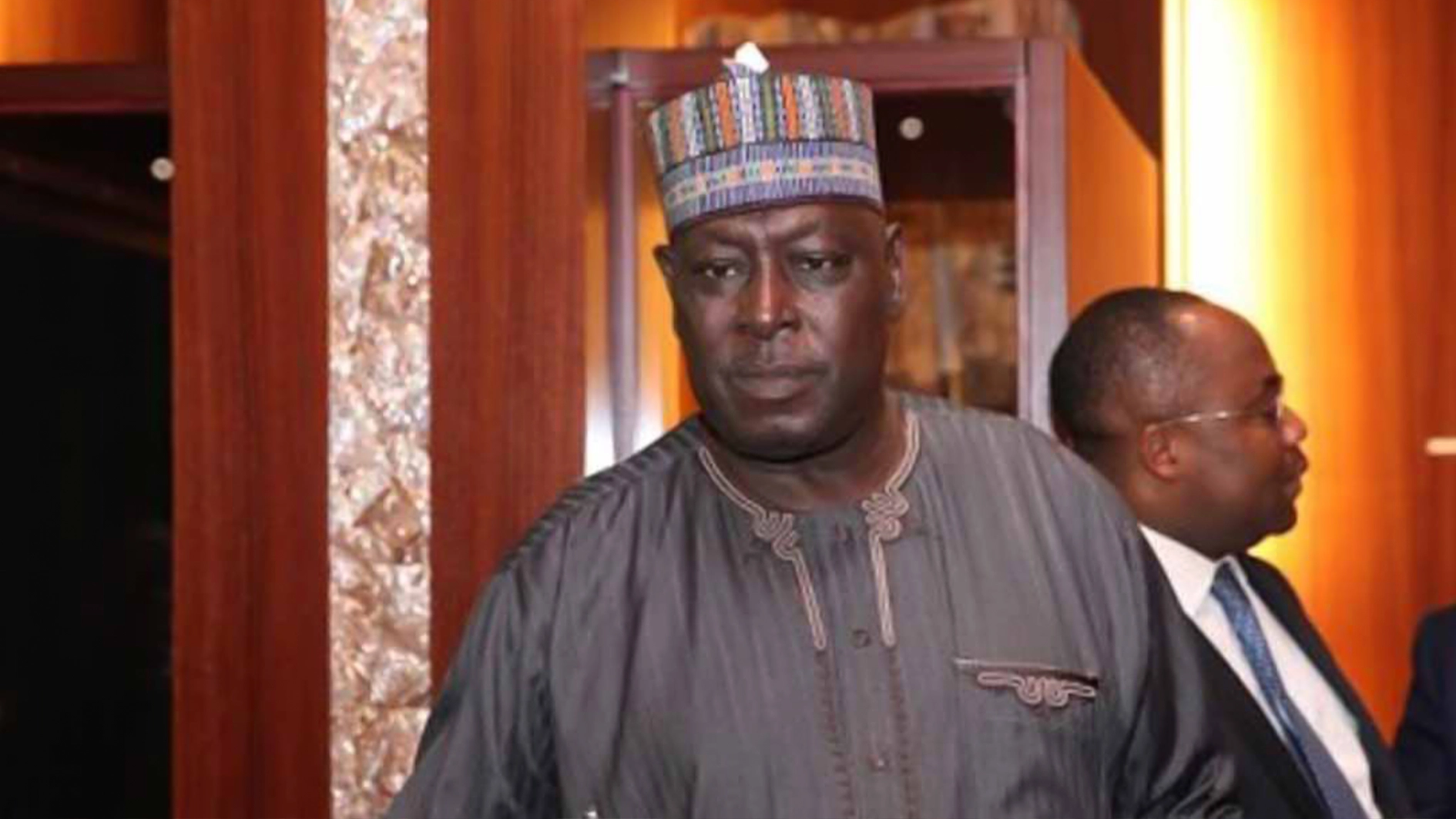
The political differences between former Secretary to the Government of the Federation (SGF), Babachir Lawal, and Senator Aishatu Ahmed (Binani), which began in the African Democratic Congress (ADC), have resurfaced in the Nigeria Democratic Congress (NDC), threatening to divide the party’s North-East leadership caucus and potentially weaken its competitiveness in next year’s general election, JOY DENNIS reports.
In quick succession, developments in the Nigeria Democratic Congress (NDC) took a dramatic turn. First, former SGF Babachir Lawal cut short his purported retirement from politics and joined the NDC. Shortly afterwards, the party’s national leadership announced his appointment as leader of its North-East regional chapter.
Upset by the appointment, six NDC governorship candidates from the North-East rejected Lawal’s recognition as the party’s zonal leader, describing it as an imposition and an undemocratic decision.
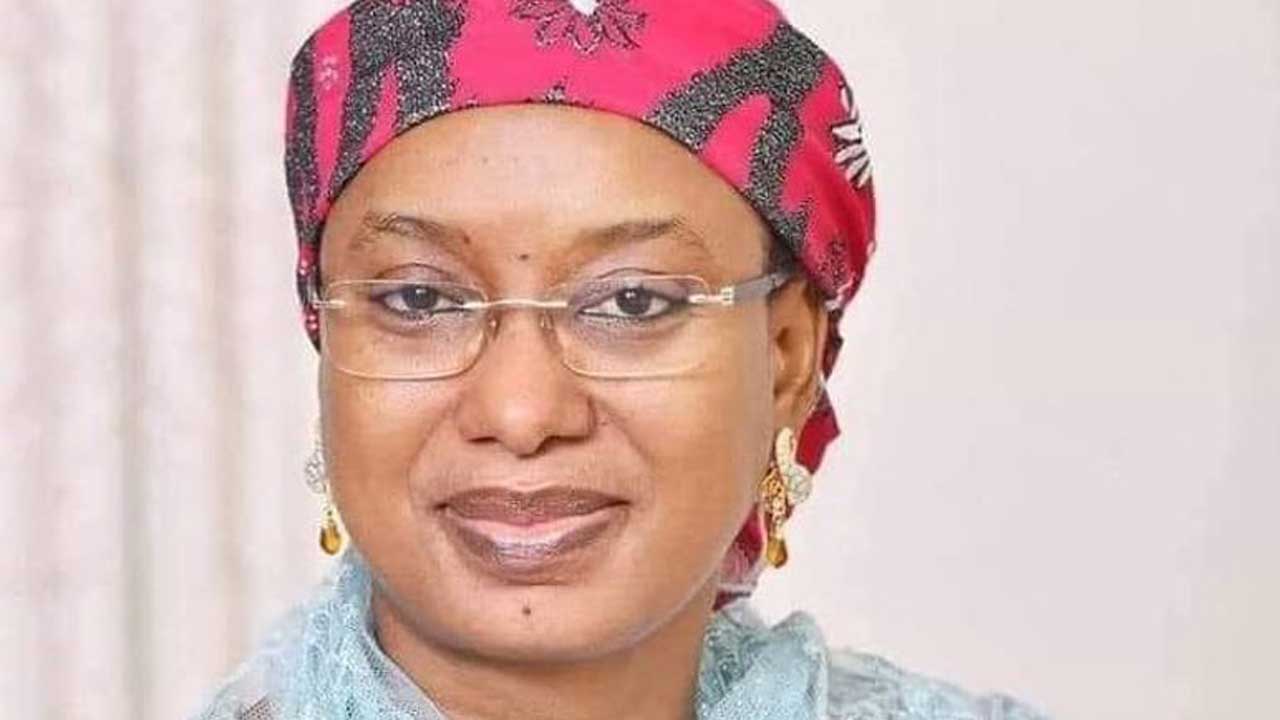
This was not the first time Lawal and Binani had taken opposing positions on party matters. Their disagreement began over control of the ADC structure in Adamawa State. Binani and her group accused Lawal of imposing the party’s leadership, culminating in a disputed state congress and their eventual departure from the ADC.
After exploring alternative platforms, Binani’s group joined the emerging NDC. She subsequently secured the party’s governorship ticket in Adamawa, while her supporters began building its structure ahead of the 2027 election.

However, before the new entrants could consolidate their position, the ADC presidential primary produced former Vice President Atiku Abubakar as the party’s standard-bearer. Lawal criticised the process, describing it as a charade and an example of political corruption.
After expressing his objections in a widely circulated statement, Lawal announced his decision to quit partisan politics. Barely three weeks later, however, he appeared at the residence of NDC national leader, Senator Henry Seriake Dickson, where he was unveiled as a new member and leader of the party’s North-East regional chapter.
Old foes collide
Lawal’s entry into the NDC revived his political differences with Binani. The latest confrontation became public in late September 2026, when six NDC governorship candidates from Adamawa, Bauchi, Borno, Gombe, Taraba and Yobe rejected his appointment as the party’s North-East leader.
The candidates said the appointment was made without consultation with state chapters and other stakeholders who had helped build the party’s structures and mobilise support across the region. They described their opposition as collective and final, urging the national leadership to review its decision.
The roots of the confrontation can be traced to the crisis that engulfed the ADC in Adamawa earlier in the year. By April, the party had fractured into competing factions, with Lawal, Binani and former Senator Ishaku Abbo associated with different camps. The dispute centred on control of the party’s state structure and the legitimacy of rival leadership arrangements.
The disagreement also reached the courts. In April, an Adamawa High Court restrained the ADC from conducting a planned congress amid a dispute involving rival factions led by Sadiq Dasin and Saidu Komsiri.
Former NDC National Publicity Secretary, Shehu Yohanna, said Lawal backed the Dasin-led faction, while the rival camp was associated with Binani. The court intervention underscored the depth of the struggle over the party’s organisation in the state.
Binani’s faction subsequently announced its departure from the ADC. At a stakeholders’ meeting in April, the group declared a mass resignation, citing what it described as the collapse of internal democracy and manipulation of party congresses.
The group rejected the leadership emerging from the disputed exercises, alleging that the process was designed to impose predetermined candidates. In May, Binani joined the NDC and received her membership card from Dickson.
Dickson announced her as the party’s leader in Adamawa pending internal democratic processes. Binani said she was attracted by what she described as the NDC’s commitment to structured, policy-driven governance.
Lawal, who resigned from the ADC in June, also criticised the party’s primaries, alleging widespread manipulation in favour of Atiku. He said he did not want to be associated with what he described as a rigging machine.
On September 22, nearly four months after leaving the ADC, Lawal joined the NDC. His appointment placed the two former political allies-turned-adversaries in the same party, setting the stage for another confrontation.
Their shared history in the ADC has made the current dispute difficult to separate from their personal and political differences. While Binani’s faction accused the ADC of undermining internal democracy, Lawal condemned the alleged manipulation of its presidential primary. Both subsequently joined the NDC, but their conflicting experiences in the former party have followed them into their new political home.
Disputed office, doubtful loyalty
IN a jointly signed letter rejecting Lawal’s appointment, the six governorship candidates argued that the lack of consultation and inclusiveness could undermine the party’s electoral prospects in the North-East.
The signatories were Aishatu Dahiru Ahmed (Adamawa), Ibrahim Muhammad Kashim (Bauchi), Rear Admiral Kashim Ibrahim (Borno), Babayo Ardo (Gombe), Mohammed Sani Yahaya (Taraba) and Ibrahim M. Shitu (Yobe).
Responding to the protest, Lawal said he had neither requested the appointment nor received a formal offer before the appointment was announced. He maintained that he accepted the position out of respect for Dickson, Peter Obi and Rabiu Kwankwaso, adding that the decision originated from the national leadership.
The opposing positions exposed a disagreement over the basis of authority within the party. While the six candidates argued that regional stakeholders should have been consulted, Lawal maintained that the national leadership had the power to determine the party’s leadership structure.
The candidates, however, insisted that their role in building the party from the ground up entitled them to a voice in decisions affecting their political environment.
The dispute escalated when Lawal questioned the motives behind the protest and alleged that an external influence was coordinating opposition to his appointment.
In a statement on his Facebook page, he alleged that a woman seeking the Adamawa governorship was behind the opposition, apparently referring to Binani.
He also accused some party members of working against the NDC’s presidential ticket and suggested that rival political interests had planted moles within the party.
Lawal further claimed that Professor Mohammed Sani Yahaya of Taraba and Dr Babayo Ardo of Gombe had contacted him to dissociate themselves from the protest, alleging that their names and signatures had been used without their authorisation.
He linked the controversy to the 2027 presidential contest, arguing that the NDC ticket of Obi and Kwankwaso was central to his political engagement. He alleged that opposition to his appointment was linked to interests aligned with Atiku, the ADC presidential candidate.
The allegations widened the disagreement from a question of consultation over regional leadership to competing claims about political loyalty and the influence of rival opposition camps.
Challenging the political weight of the protesting candidates, Lawal argued that the NDC’s electoral ambitions extended beyond governorship contests to legislative seats across the six North-East states.
“The NDC’s 2027 campaign requires a broader structure than individual governorship campaigns,” he said.
The candidates’ position, however, is that their responsibility for winning governorship elections makes them important stakeholders in decisions affecting their campaigns.
The disagreement raises a central question about the balance between national party authority and regional political interests: can a party leadership impose a zonal structure without securing the support of those expected to campaign and contest elections in the region?
While the six candidates insist that consultation was necessary, Lawal maintains that the national leadership had the authority to appoint him.
Binani’s counter
The Binani campaign organisation, rejecting Lawal’s allegations, accused him of making unsubstantiated claims that could create divisions within the NDC.
In a statement, the campaign’s Director of Media and Public Affairs, Mathias Yohanna, described Lawal’s allegations as “unsubstantiated allegations and baseless accusations.”
Rather than accepting Lawal’s argument that the six candidates were acting against the NDC’s presidential ticket, the campaign maintained that Binani had participated in a democratically convened meeting of governorship candidates where decisions concerning the North-East were taken.
It also reaffirmed its position that Kwankwaso should remain the party’s leader in the North and criticised Lawal for describing some governorship candidates as “so-called gubernatorial candidates” and “nincompoops.”
The campaign argued that Lawal’s former position as SGF did not entitle him to address political figures in such terms. It also questioned his claim to substantial electoral influence.
As part of its response, the campaign asked whether one individual could determine the political outcome of the entire North-East. It cited Lawal’s reported support for Obi during the 2023 presidential election and questioned why Obi did not win Lawal’s Banshika Ward in that contest.
The argument did not directly resolve the question of who should lead the NDC in the North-East. It nevertheless highlighted the competing claims of the two camps over their capacity to mobilise grassroots support and deliver electoral victories.
While acknowledging Lawal’s right to express his views, the Binani campaign said it was concerned about the manner of his intervention and its political implications. Yohanna urged the NDC national leadership to intervene and ensure that the party’s constitution and principles guided the resolution of the dispute.
What remains unresolved is whether the NDC leadership can establish a regional structure acceptable to both its national leadership and its governorship candidates.
Ultimately, the Lawal-Binani confrontation has moved beyond the struggle over the ADC structure in Adamawa to a wider contest over who controls the NDC’s political machinery in the North-East.
With the 2027 election approaching, the dispute’s electoral implications will depend on whether the party can establish an acceptable chain of authority, resolve disagreements over regional leadership and keep its state-level candidates working within a coherent political structure.