GDN SIDEBAR
A visit to Imo State is not complete without trying Ofe Owerri, a soup known for its generous mix of vegetables, meat and fish, or stopping at a local food spot for a plate of abacha. Beyond the meals, there is Oguta Lake, the Mbari Cultural Centre in Owerri and the Ikeji Festival in Arondizuogu, where masquerades and traditional performances draw people together. From the kitchen to the community square, Imo has plenty to introduce visitors to Igbo culture.
Located in south-eastern Nigeria, Imo is predominantly Igbo-speaking. Yam, cassava, cocoyam, oil bean and leafy vegetables feature in many local meals. Some dishes are everyday food, while others take more time to prepare and are often served to guests or at celebrations. If you are planning a visit, here are some meals to try, places to see and festivals to learn about.
Meals to try in Imo
Food in Imo shares many ingredients with other parts of the South-East, but the way a dish is prepared can differ from one household to another. Ofe Owerri, for instance, is known for its assortment of vegetables, meat and fish. Abacha is often served as a snack or light meal, while ukwa can be filling enough to eat on its own. Here are six dishes to look out for.
1. Ofe Owerri
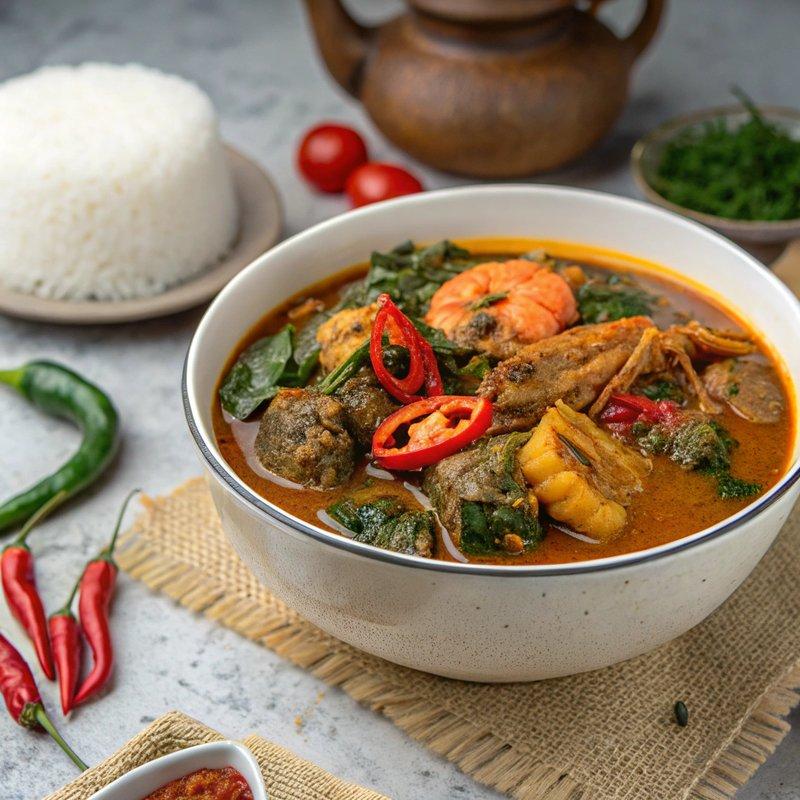
Ofe Owerri is one of the soups associated with the state capital. It is known for the variety of vegetables used in the pot, alongside assorted meat and fish. Depending on the cook, the vegetables may include ugu, uziza and other local leaves, while cocoyam is used to thicken the soup.
To prepare it, the meat and stockfish are cooked with seasoning until tender. Then fish and other ingredients are addedbefore stirring in the cocoyam paste to give the soup body. The vegetables go in towards the end so they do not cook for too long. The result is a rich soup with different textures and flavours in each spoonful.

Ofe Owerri is commonly served with fufu, garri or another swallow. It is also a soup people may prepare when receiving guests, although the ingredients and quantities depend on the household.
2. Ukwa
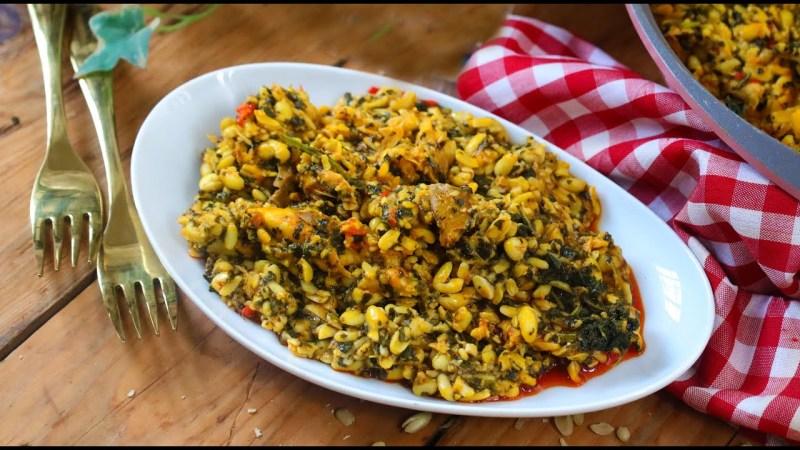
Ukwa is made from African breadfruit seeds. The seeds are washed and cooked until soft, a process that can take some time depending on how they have been prepared beforehand. Some cooks soak them before cooking to help soften them.
Once tender, the seeds can be cooked with palm oil, salt, pepper and other seasonings. Some versions are fairly simple, allowing the flavour of the breadfruit to come through, while others include additional ingredients. Ukwa is often eaten on its own because it is filling, although serving styles differ between households.
It is eaten in several parts of south-eastern Nigeria, including Imo. If you find it on a menu, ask how it is prepared, as the texture and seasoning can vary.
3. Ote Ugba
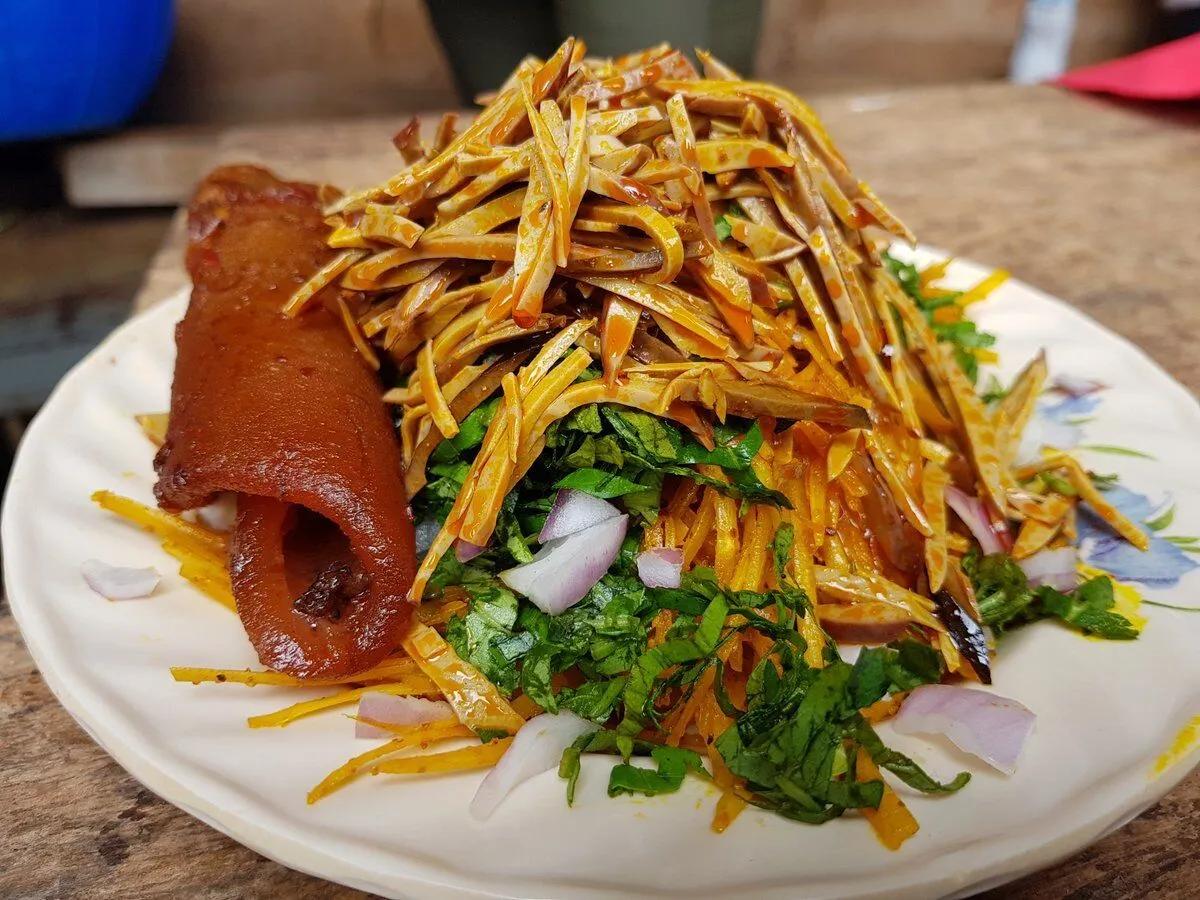
Ote Ugba is listed among the traditional foods associated with Imo State. Ugba itself is made from African oil bean seeds, which are sliced and fermented before being used in different Igbo dishes.
Preparing ugba involves more than simply cooking the seeds. After processing and fermentation, the slices are washed and combined with ingredients according to the recipe. In dishes that use ugba, palm oil, pepper and seasonings may be added, along with other ingredients depending on the preparation.
The exact recipe for Ote Ugba needs to be confirmed with a local cook before publication. Visitors who encounter it in Imo can ask about its ingredients and how it is traditionally served rather than assume that every dish containing ugba is prepared in the same way.
4. Abacha
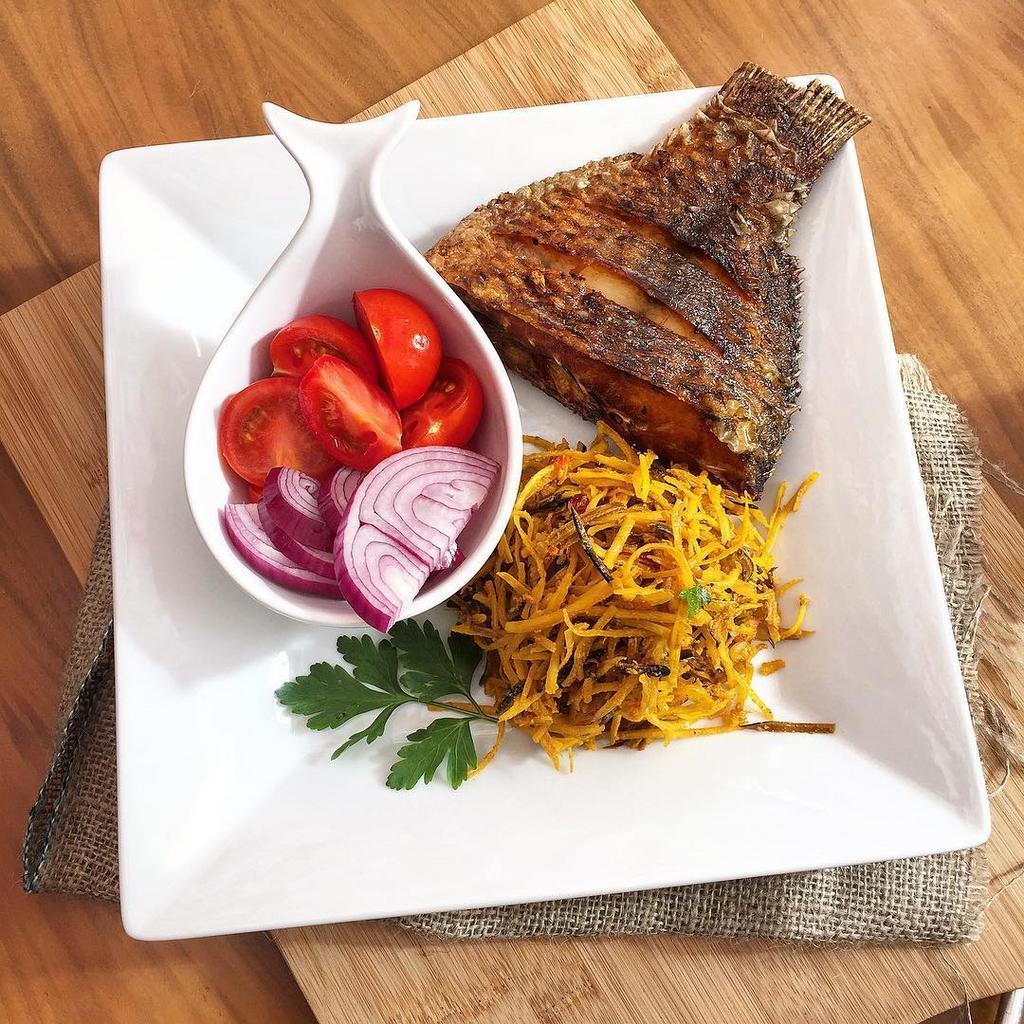
Abacha, commonly called African salad, is made from cassava that has been processed into thin shreds. The dried abacha is soaked in warm water until it softens, then drained before the other ingredients are added.
In a typical preparation, palm oil is mixed with potash water to create a smooth sauce. Ground crayfish, pepper, seasoning and sliced onions are added, followed by the abacha and, often, ugba. Some cooks add garden eggs and their leaves, while others serve the dish with fish or stockfish. The ingredients are mixed until the cassava absorbs the sauce.
Abacha is popular across the South-East and is often eaten as a snack or light meal. It is commonly sold at local food spots and can be served at room temperature, depending on the cook’s preference.
5. Nkwobi
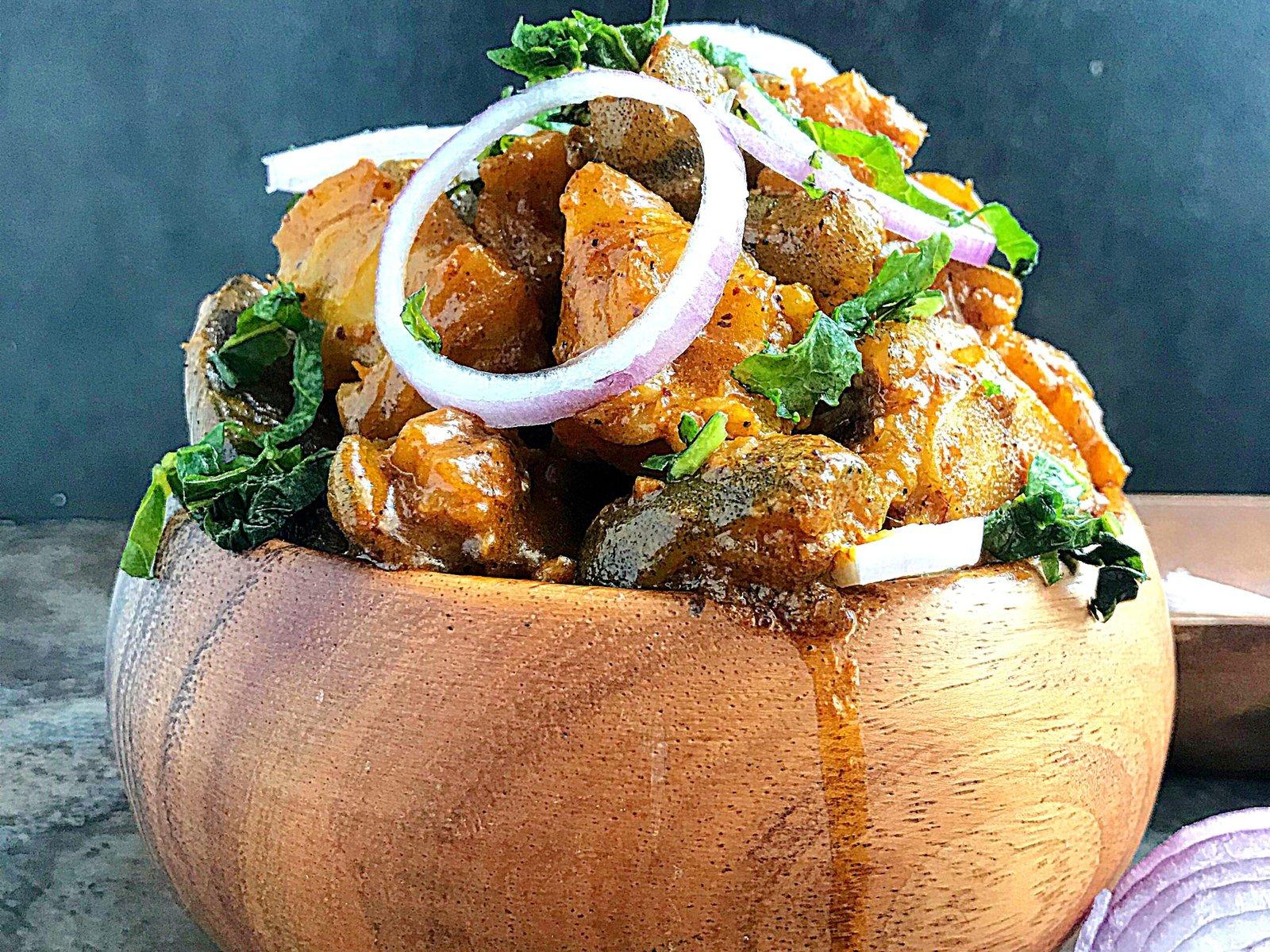
Nkwobi is made from cow foot, which is cooked until the meat becomes soft enough to chew easily. This can take several hours in a regular pot, although a pressure cooker can reduce the cooking time.
The sauce is prepared separately by mixing palm oil with a small amount of potash water until it thickens. Ground crayfish, pepper, seasoning and other ingredients are then added. The cooked cow foot is stirred into the sauce until the pieces are well coated. It is often served in a small bowl and garnished with sliced onions and utazi leaves.
Nkwobi is popular in eastern Nigerian restaurants and beer parlours, where it is usually eaten as a standalone dish rather than with rice or swallow. Its rich sauce and peppery flavour make it a favourite for people who enjoy well-seasoned meat.
6. Isi ewu
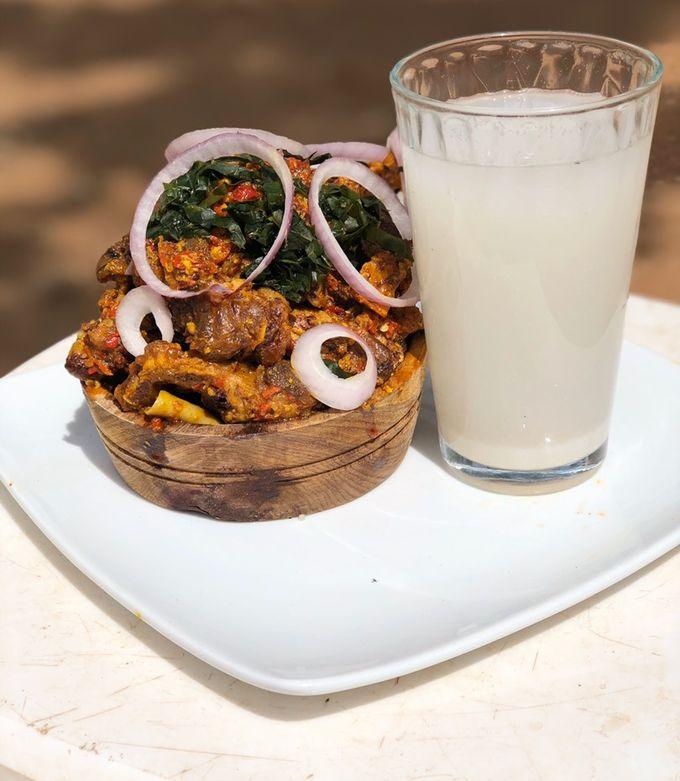
Isi ewu is another Igbo dish made from meat, in this case goat head. Preparing it begins with cleaning and cutting the meat into manageable pieces before cooking it with seasoning, onions and other ingredients until tender.
The sauce is made with palm oil, potash water and seasonings. Ground crayfish and pepper may be added, depending on the recipe. The cooked goat head is then mixed into the sauce so that the meat is coated evenly. Utazi leaves and sliced onions are often used as garnishes.
Isi ewu is commonly served in restaurants and at social gatherings. Like nkwobi, it is usually eaten on its own, and the amount of pepper and the richness of the sauce vary from one cook to another.
Ten Igbo greetings and phrases to know
Igbo is the main indigenous language spoken in Imo State. Learning a few expressions can help visitors when greeting people, asking for help or thanking someone. The phrases below are commonly understood, although pronunciation and usage can vary across Igbo-speaking communities.
1. Ndeewo
Meaning: Hello; greetings.
Use Ndeewo when greeting someone or acknowledging their presence. It is a common greeting in the Owerri area and a useful expression to learn before visiting the state.
2. Kedụ?
Meaning: How are you?
Kedụ? is a familiar way to ask someone how they are doing. A common response is Ọ dị mma, meaning “It is fine” or “I am fine”.
3. Nnọọ
Meaning: Welcome.
Say Nnọọ when welcoming someone who has arrived at your home or another place. It is useful when visiting residents or being welcomed by a host.
4. Daalụ
Meaning: Thank you.
Use Daalụ to express gratitude when someone helps you, gives you something or does you a favour. It is a useful expression to remember when interacting with people during your trip.
5. Biko
Meaning: Please.
Use Biko when making a polite request or asking someone for assistance. For example, you can say it when asking for directions or requesting help.
6. Ndo
Meaning: Sorry; an expression of sympathy.
Ndo is used to express sympathy when someone is hurt, unwell, upset or going through a difficult time. It acknowledges the person’s discomfort and can be an appropriate way to offer comfort.
7. Ị meela
Meaning: You have done well; thank you.
This expression can be used to appreciate someone’s effort or acknowledge something they have done. It is useful when thanking someone for assistance or recognising a kind gesture.
8. Jisie ike
Meaning: Keep going; stay strong.
Use Jisie ike to encourage someone who is working hard or facing a challenge. It expresses support and appreciation for the person’s effort.
9. Ka ọ dị
Meaning: Goodbye; see you.
Ka ọ dị can be used when parting from someone. It is useful in everyday situations, whether you are leaving a shop, ending a conversation or saying goodbye to a host.
10. Ka chi bọọ
Meaning: May the day break; a night-time farewell.
Ka chi bọọ is associated with taking leave at night and wishing for the next day to arrive safely. It expresses goodwill as people part for the evening.
These phrases can be useful when speaking with traders, asking for directions or visiting someone’s home. Even if you are not fluent in Igbo, learning a few words and listening to how residents pronounce them can make everyday interactions easier.
Places to visit in Imo
1. Oguta Lake
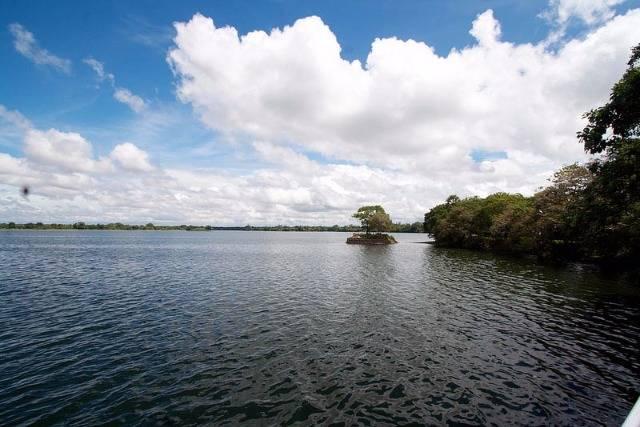
Oguta Lake is one of Imo State’s best-known natural attractions. Located in Oguta, the lake draws visitors interested in its waters and surrounding landscape. It has long been part of the state’s tourism offerings.
Visitors can spend time by the water and explore the area around the lake. Before setting out, confirm whether boat trips and other facilities are operating, as services may change.
2. Mbari Cultural Centre, Owerri
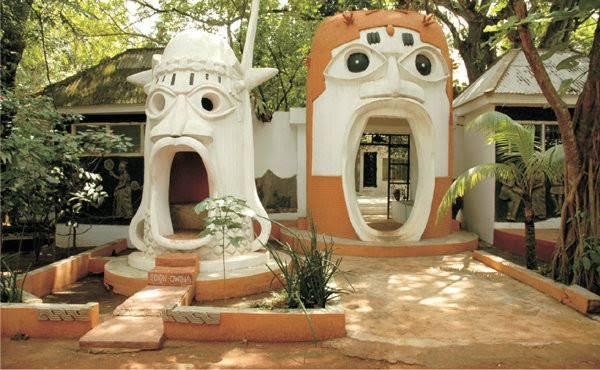
The Mbari Cultural Centre in Ikenegbu, Owerri, is associated with Igbo art and cultural heritage. Its artworks reflect traditional beliefs, figures and stories, offering visitors a chance to learn about cultural expression through sculpture and other forms of art.
The centre provides an alternative to the restaurants and entertainment venues for which Owerri is also known. Check opening arrangements and access before visiting.
3. Abadaba Lake
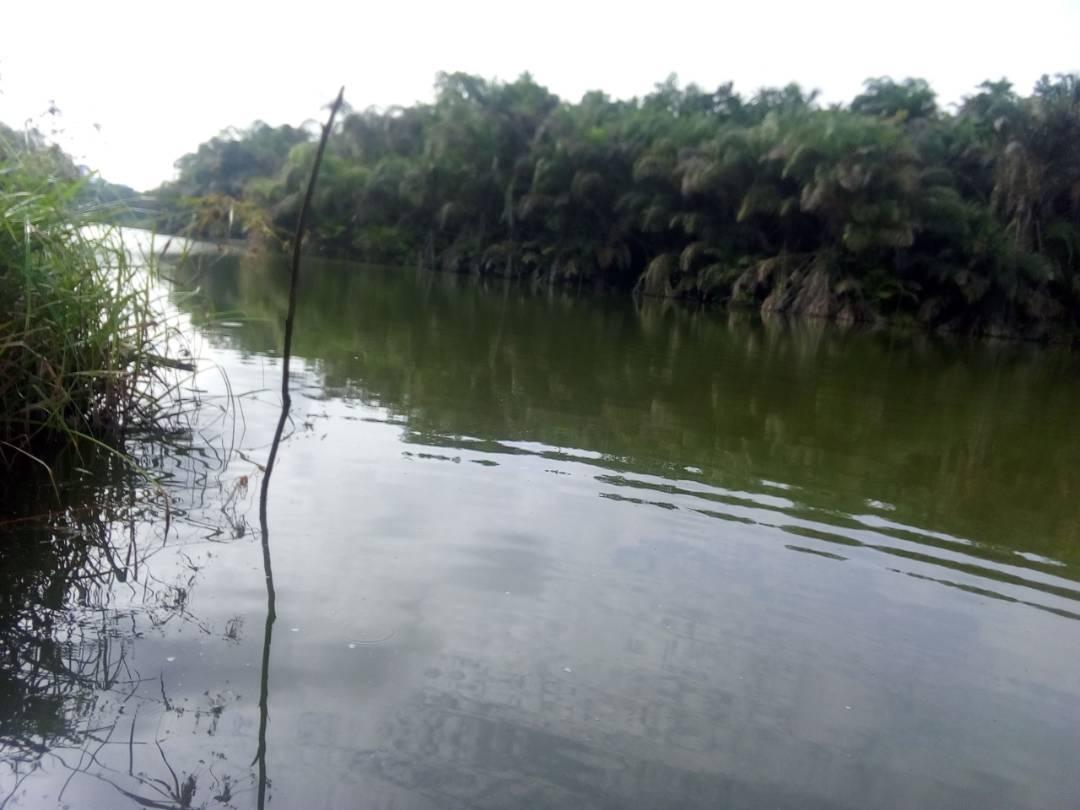
Abadaba Lake, in the Obowo area, is another lake identified in Imo State’s tourism and investment information. It may interest visitors looking to explore the state’s natural landscape beyond Oguta.
Information about visitor facilities and organised activities is limited, so contact local authorities or residents before setting out. Do not assume that boat rides, accommodation or other tourist services are available.
4. Nworie River, Owerri
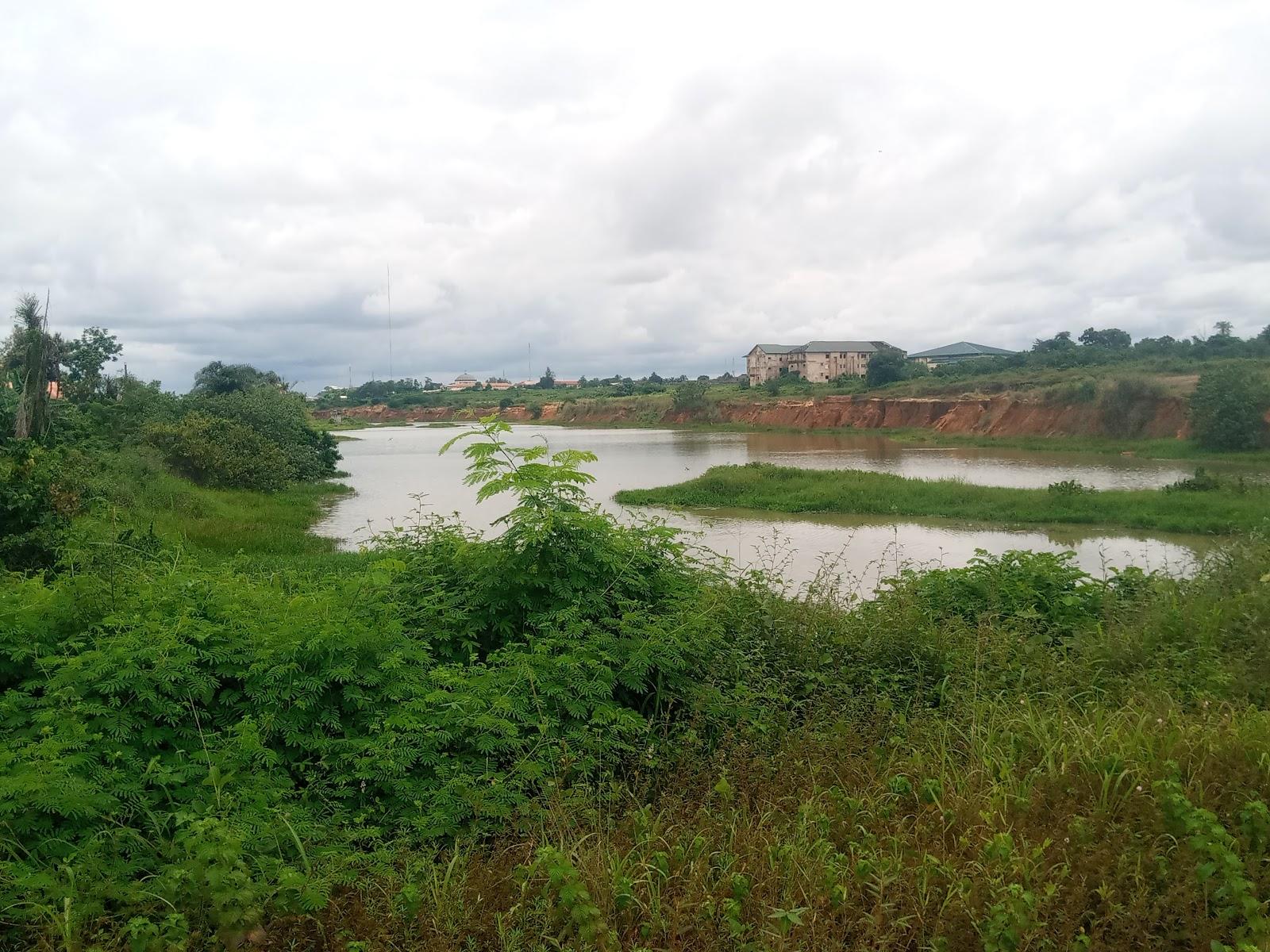
The Nworie River runs through Owerri and forms part of the city’s landscape. It has also featured in state government plans for tourism development.
Visitors should check the condition and accessibility of any riverside area they plan to visit. The presence of a river does not necessarily mean there are visitor facilities or organised activities, so seek local information before making a stop.
5. Nekede Zoo
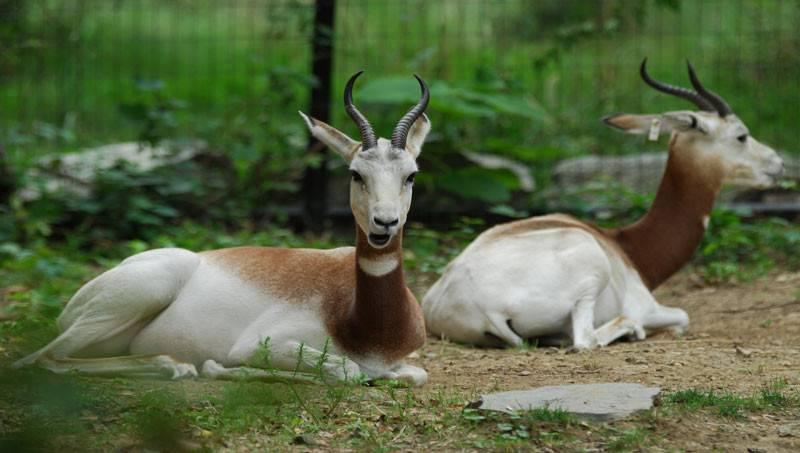
Nekede Zoo, near Owerri, has been associated with the state’s leisure and tourism offerings. It may interest families and visitors looking for an outing outside the city centre.
Its current condition, animal collection and opening arrangements should be confirmed before visiting. Check with the relevant authorities rather than relying on older descriptions of the facility.
Festivals to experience in Imo
Festivals in Imo reflect the agricultural calendar, community history and cultural traditions of the Igbo people. Dates and programmes can vary, so contact local organisers before arranging a trip around a particular celebration.
1. Ikeji Festival, Arondizuogu
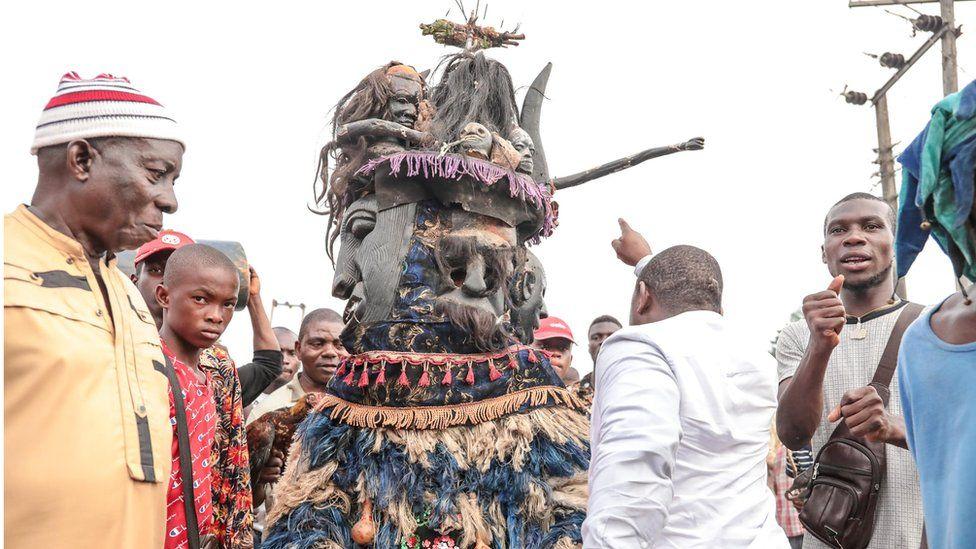
The Ikeji Festival is a major cultural celebration among the people of Arondizuogu. Associated with the yam harvest, it features masquerades, music, dance and gatherings that bring community members together. Activities follow the traditional Igbo market-day calendar and take place over several days.
The celebration attracts people from Arondizuogu and beyond, including those returning to reconnect with their community. Visitors should confirm the dates and programme for the year they intend to attend. Masquerade displays and traditional ceremonies may have specific customs, so follow the guidance of local organisers.
2. Iri Ji, the New Yam Festival
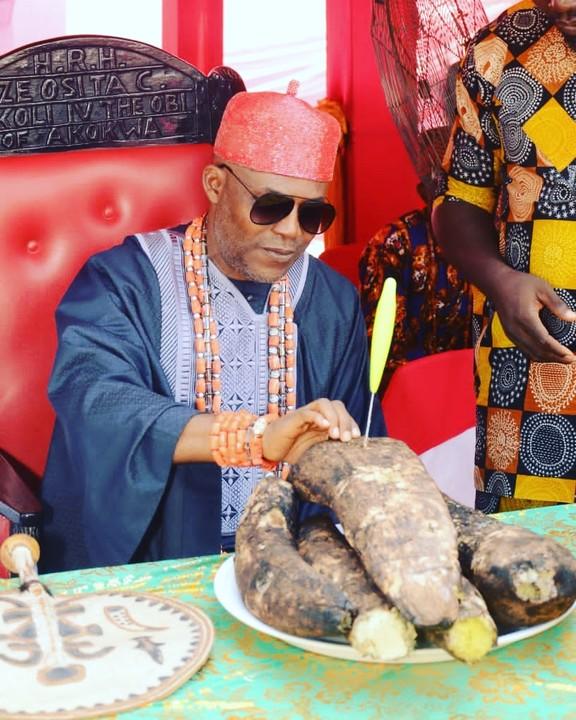
Iri Ji, or the New Yam Festival, is celebrated in communities across Igbo-speaking parts of Nigeria, including Imo State. Yam holds an important place in the region’s food and agricultural traditions, and the festival marks the arrival of a new harvest.
Celebrations differ between communities. They may include traditional rites, the presentation and eating of new yam, music, dance and communal meals. Ask residents about the celebration in the town you plan to visit, as there is no single date or programme for every community.
Planning your trip
Owerri is a useful base for exploring Imo, with accommodation, restaurants and transport connections to other parts of the state. Oguta Lake can be planned as a separate outing, while visits to cultural sites and communities require attention to distance, road conditions and access.
Before travelling to a lake, plantation, zoo or cultural centre, check whether it is open and what facilities are available. For festivals, contact community organisers or local tourism officials for dates, schedules and guidance on appropriate conduct.