GDN SIDEBAR
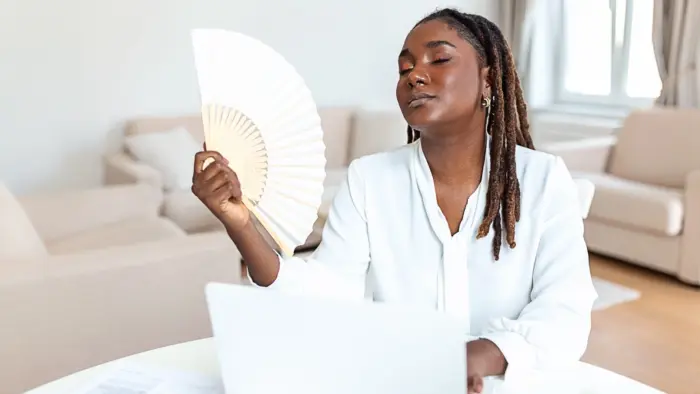
Choosing the right fabric can make workdays, commutes, celebrations and outdoor activities far more comfortable. As temperatures rise and heat stress becomes a growing concern, breathable, moisture-managing materials are no longer just a style preference, they are a practical necessity.
When dressing for hot weather, fabric matters as much as the outfit itself. The best materials allow air to circulate, help manage moisture and remain comfortable throughout the day. Factors such as loose silhouettes, lighter colours, open weaves and minimal lining can further improve comfort, while heavy fabrics and densely structured garments often trap heat and leave you feeling overheated.
Here is how some of the most common fabrics and Nigerian textiles perform in hot conditions.
Start with linen for maximum breathability
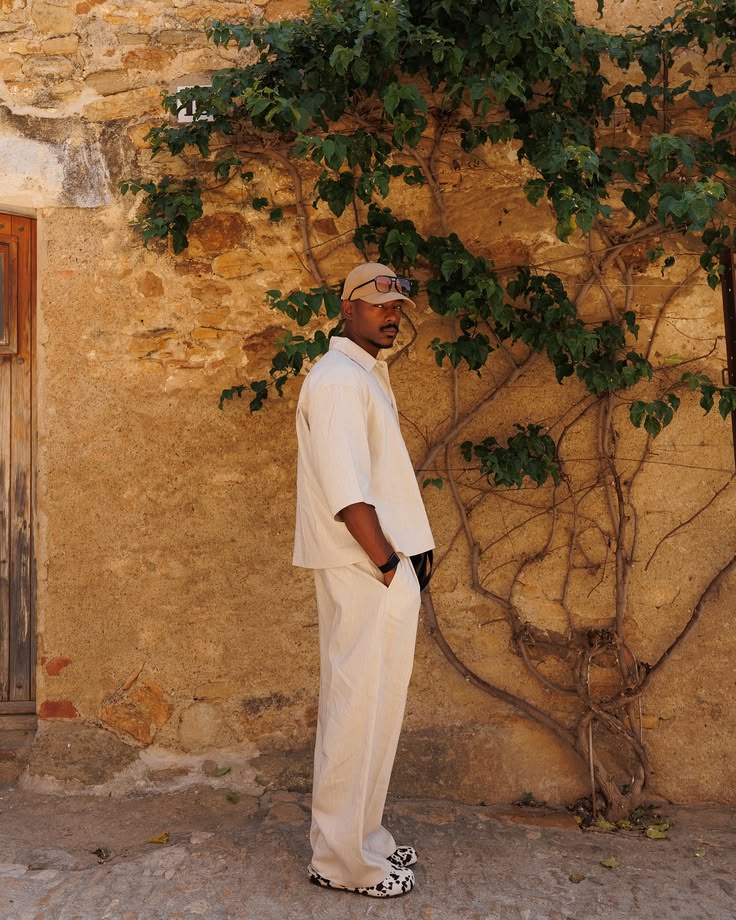
Few fabrics rival linen when it comes to staying cool. Linen is naturally breathable, allowing air to circulate while helping the body manage moisture. Its slightly textured finish also lends itself to effortless warm-weather dressing, making linen shirts, wide-leg trousers, loose dresses and coordinated sets stylish and practical options for work, travel and outdoor events.
In hot and humid conditions, linen is often considered one of the best-performing fabrics. Its ability to remain light and airy, even on particularly warm days, makes it a reliable choice for tropical climates.

Choose lightweight cotton carefully

Cotton remains one of the most popular fabrics in Nigeria, thanks to its affordability, versatility and wide availability. Lightweight cotton shirts, voile blouses, poplin dresses and breathable skirts can provide comfort throughout the day, especially when designed with relaxed cuts.
However, not all cotton fabrics perform the same way in the heat. Heavier cottons can absorb sweat and take longer to dry, which may leave you feeling uncomfortable in humid weather. When shopping, pay attention to the fabric’s weight and weave. Lighter fabrics, softer constructions, and unlined designs generally offer a cooler experience.
Consider polyester based on its construction
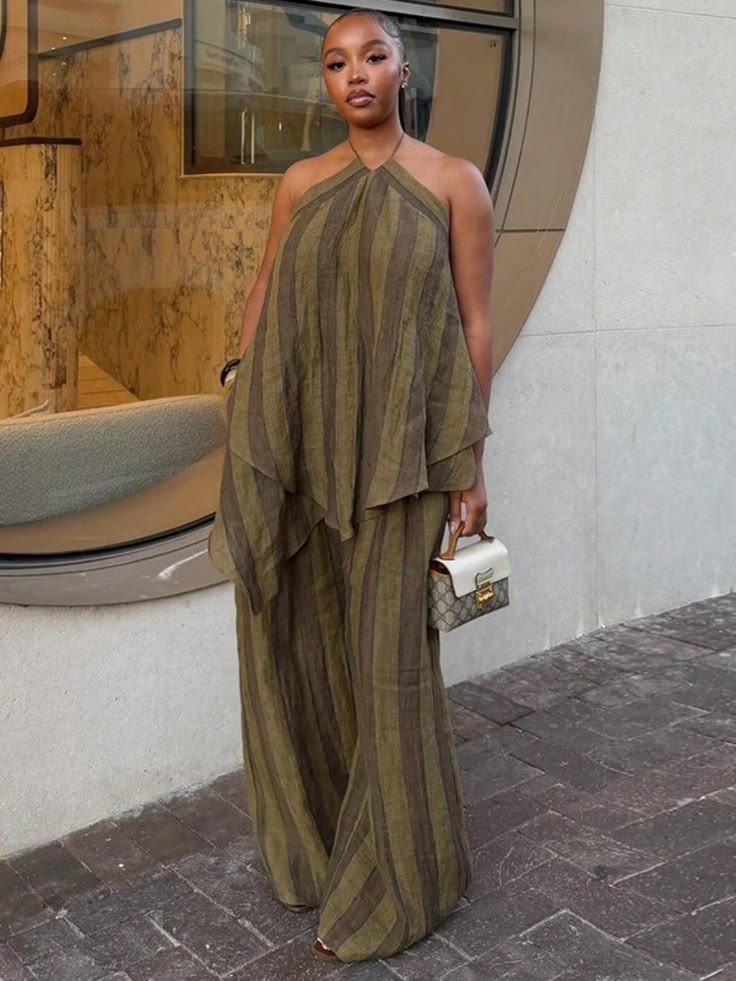
Polyester often gets a bad reputation in hot climates, but its performance depends largely on how the garment is made. Thick, tightly woven polyester pieces and synthetic linings can trap heat and moisture, making them less comfortable during long commutes or outdoor events.
At the same time, polyester is widely used in sportswear because engineered versions of the fabric are designed to wick moisture away from the skin and dry quickly. A lightweight performance top may keep you comfortable during exercise, while a heavily lined polyester dress may feel noticeably warmer.
Wear Ankara and Adire in lighter, looser designs
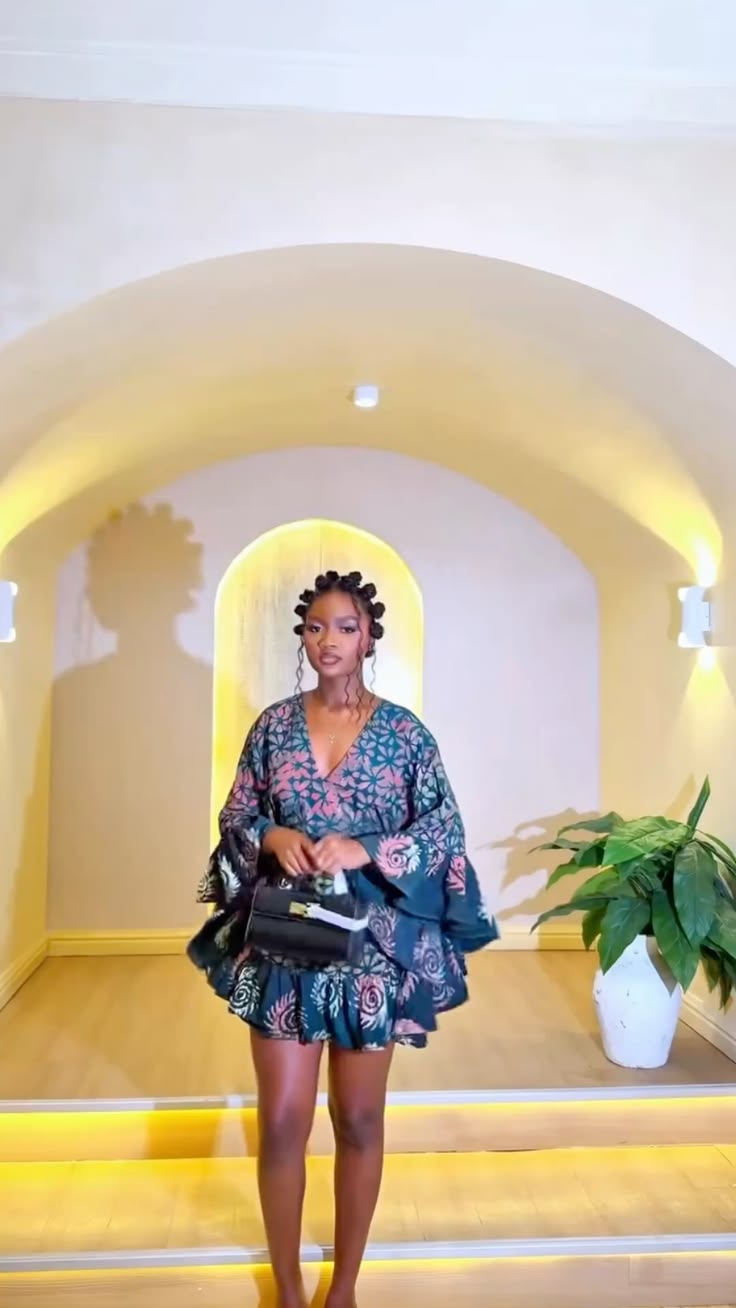
Traditional Nigerian textiles can be excellent choices for warm weather when styled thoughtfully. A lightweight cotton Ankara dress with a flowing silhouette may feel significantly cooler than a heavily structured version of the same fabric. Likewise, loose-fitting Adire shirts, airy kaftans and relaxed dresses combine cultural expression with everyday comfort.
For weddings and formal occasions, fabrics such as Aṣọ òkè, lace and other ceremonial textiles often require more consideration. Multiple layers, heavy embroidery and dense weaves can increase heat retention, particularly during daytime events. Choosing lighter constructions and simpler silhouettes can help reduce discomfort without compromising elegance or cultural significance.
Ultimately, it is not a fabric’s heritage or appearance that determines how cool it feels, but its fibre content, weight, weave and overall construction. Nigerian designers continue to reinterpret indigenous textiles in contemporary styles.
Limit heavy and densely structured fabrics
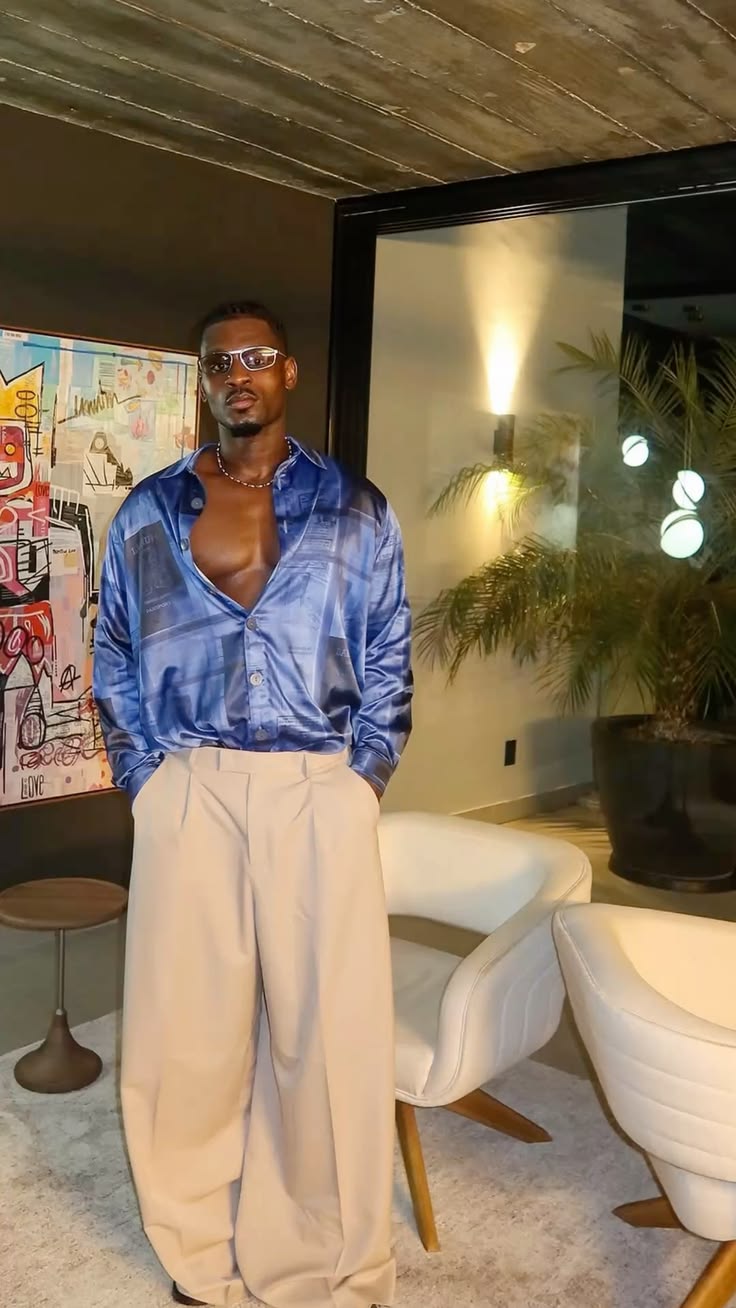
Certain fabrics naturally feel warmer because they restrict airflow. Heavy denim, velvet, chunky acrylic knits and richly woven brocade can become uncomfortable in high temperatures, particularly during extended periods outdoors.
Fortunately, cooler alternatives exist. Lightweight denim, chambray and garments with looser cuts can offer a similar aesthetic without the added heaviness. Satin also deserves a closer look because satin refers to a weave rather than a fibre, its comfort level varies widely. A lightweight satin blouse may work well for an evening event, while a heavily lined synthetic satin dress can feel considerably warmer under the sun.