
 Get Guardian on Google
West African central banks are working towards adopting common standards for compiling and presenting monetary and financial statistics, in a move aimed at improving the comparability of economic data and strengthening regional policymaking.
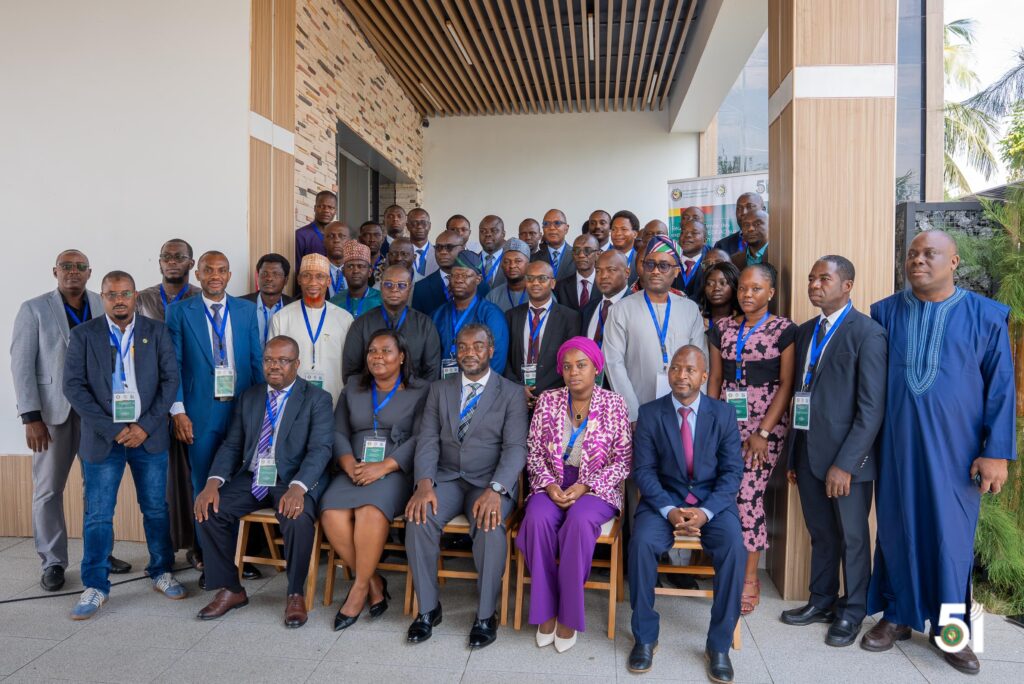
The initiative is being pursued through a meeting of the joint Economic Community of West African State (ECOWAS) and West African Monetary Agency (WAMA) Committee of Experts on the Harmonisation of Monetary and Financial Statistics, which opened in Lomé, Togo, on November 2.
The meeting, scheduled to end on November 7, brings together officials responsible for monetary and financial statistics from central banks across the region to examine differences in existing reporting practices and develop a common framework.
A major item on the agenda is the review of a proposed regional metadata framework prepared by WAMA to guide the compilation and presentation of monetary and financial statistics across member states.
The experts are also examining statistical practices at the Central Bank of West African States (BCEAO), the Central Bank of Nigeria and the Bank of Ghana, with a view to identifying areas where differences in methodology and classification could undermine regional comparisons.
The discussions cover the classification of financial positions involving non-resident institutional units, including how such transactions should be recorded in relation to the rest of the world and individual ECOWAS member states.

Deputy Director of Monetary Policy and International Relations at BCEAO and Chair of the joint ECOWAS-WAMA Committee of Experts, Fanta Sow Coulibaly, said the exercise should provide clear guidance for statisticians and an operational basis for monitoring at national and regional levels.
She emphasised the importance of ensuring that the proposed framework is practical and supported by effective implementation, cooperation among national institutions, capacity-building and regular monitoring.
Monetary and Financial Statistics Official at the Central Bank of Sierra Leone and Co-chair of the committee, Augustine Ngombu, also called for a thorough examination of the proposed framework to ensure it reflects the operational realities of national central banks.
The harmonisation effort is expected to address inconsistencies in the way countries compile and report monetary and financial information, which can make it difficult to assess economic trends across the region using comparable data.
For regional institutions, more consistent statistics could strengthen economic surveillance, support policy coordination and provide a clearer picture of financial developments across West Africa.
The meeting is expected to produce recommendations towards a more consistent and coordinated system for compiling and reporting monetary and financial statistics across the region.