
 Get Guardian on Google
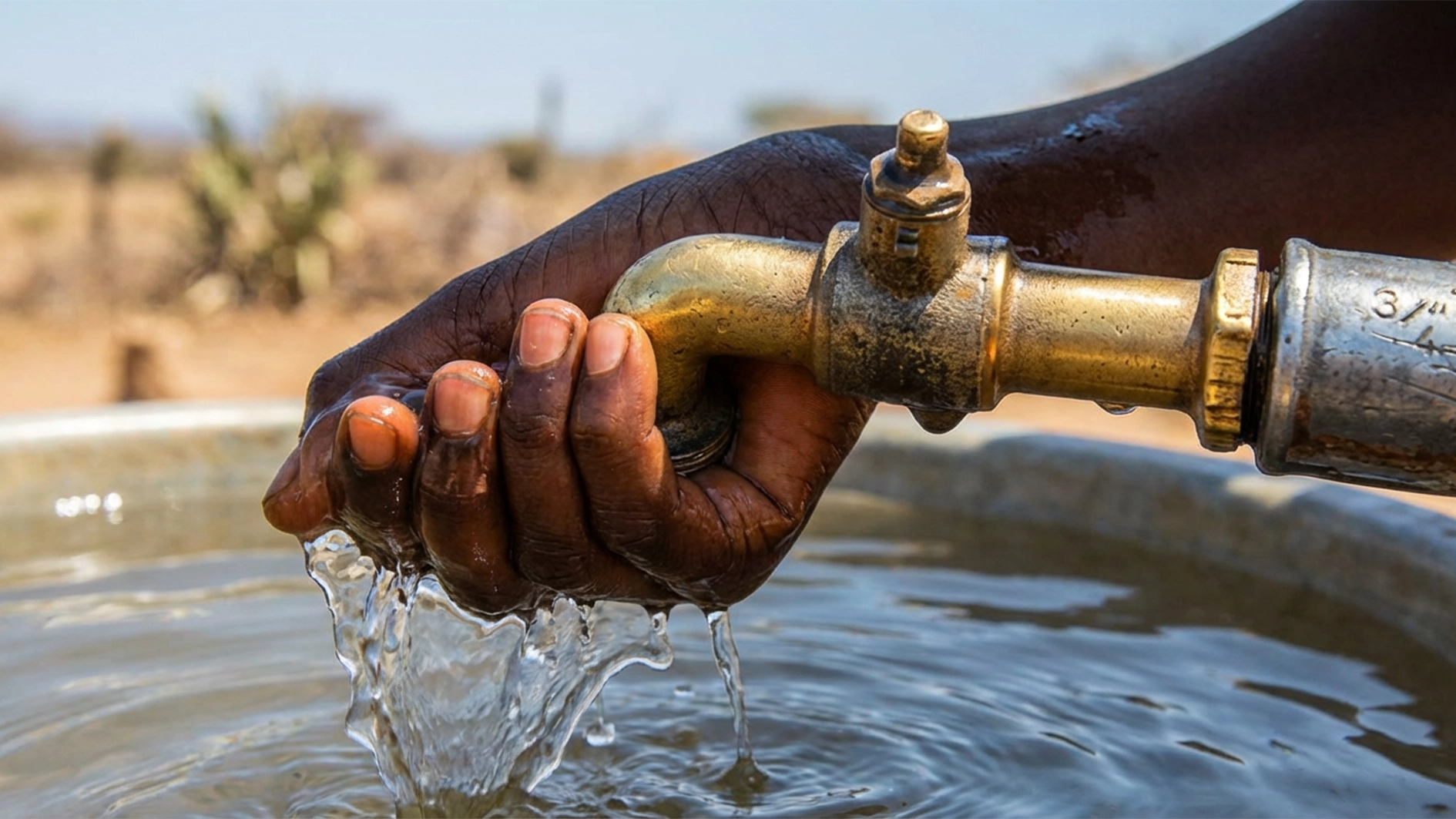
Residents of several Lagos communities may face further hardship over access to water as a coalition of civil society organisations, community groups and trade unions has threatened mass resistance against plans by the state government to clamp down on unauthorised boreholes.
The coalition, under the aegis of the Our Water Our Right Africa Coalition (OWORAC), said millions of residents depended on privately funded boreholes because of the failure of public water infrastructure to provide reliable supplies.
It warned that any attempt by the Lagos State Water Regulatory Commission (LASWARCO) or government task forces to seal domestic boreholes would be resisted across all local government areas in the state.
The threat followed a warning attributed to LASWARCO’s Executive Secretary, Oluwabukola Adeyemo, that drilling boreholes and extracting groundwater without government authorisation could attract property sealing and criminal prosecution. The commission also introduced a dedicated hotline for reporting unauthorised drilling and groundwater extraction.
Reacting, the coalition, comprising more than 50 national and regional organisations and community groups, said the announcement had created fear and confusion, particularly in working-class neighbourhoods where residents struggled to access public water.
It argued that households should not be punished for providing their own water after years of inadequate public supply.

Citing figures attributed to the Lagos Water Corporation, the groups said the utility had only 34,424 registered connections, representing about 1.03 per cent direct coverage in a megacity with more than 20 million residents.
Even by the corporation’s broader estimate that the connections served multiple households and covered about 8.3 per cent of the population, the coalition said more than 91 per cent of residents remained outside the public water network.
It also accused the government of failing to maximise major water infrastructure, including the Iju, Adiyan and Ishasi waterworks, despite substantial public investments.
For many families, the groups said, boreholes had become essential to daily survival, with some communities extending taps to neighbouring compounds and pooling money to provide electricity or fuel for pumping machines.
The coalition, however, noted that residents of some communities faced additional difficulties because of groundwater contamination.
It specifically mentioned Baruwa, Iludun and Ajegunle, where it alleged that petroleum pipeline pollution had affected underground water sources, as well as coastal communities in Lekki, where sewage contamination and saltwater intrusion had compromised groundwater quality.
Residents in such areas, it said, were forced to spend substantial sums buying water from private vendors.
The groups also accused LASWARCO of applying different standards to ordinary residents and multinational companies involved in large-scale water extraction.
They recalled that the commission had reportedly spent more than seven years engaging Nigerian Bottling Company, Guinness Nigeria and FrieslandCampina WAMCO over compliance issues, questioning why households should face immediate threats of prosecution and property sealing.
The coalition urged the government to clarify its enforcement policy, expand access to safe public water, rehabilitate existing waterworks and direct stricter regulatory attention towards industrial water extractors and environmental polluters.
It also opposed the privatisation of the Lagos Water Corporation, calling for transparent management that would give workers, communities, trade unions and civil society organisations a role in running the utility.
Calling on Community Development Associations, youth groups, labour unions, artisans and market women to remain vigilant, the coalition warned that any attempt to seal domestic boreholes would trigger legal action, protests and coordinated mass resistance across Lagos.
The statement was endorsed by 25 representatives of civil society organisations, community associations and trade unions, including the Committee for the Defence of Human Rights, Corporate Accountability and Public Participation Africa, Rule of Law and Accountability Advocacy Centre and Federation of Informal Workers Organisation of Nigeria.