 Get Guardian on Google
The absence of publicly established convictions in major building collapse cases in Lagos has raised fresh questions about the state’s ability to enforce building regulations and hold developers, construction professionals and government officials accountable for safety violations that have resulted in deaths and destruction of property.
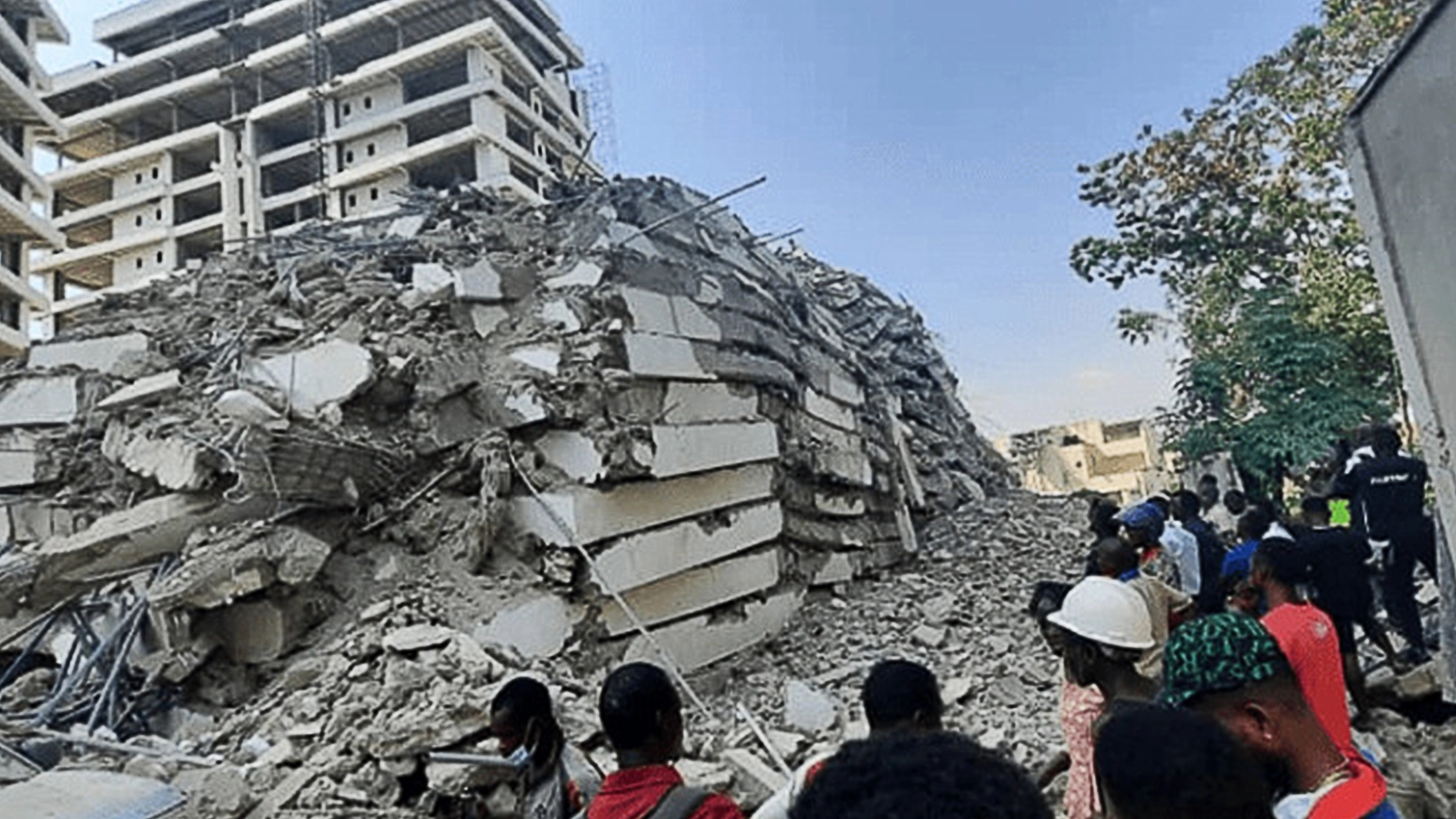
The concern has become more pressing following the anniversary of the November 1, 2021, collapse of a 21-storey building on Gerrard Road, Ikoyi, which claimed 45 lives and left several families devastated.
The disaster was one of several major building collapses that have occurred in Lagos in recent years, raising concerns about negligence, poor construction practices and regulatory failures in the built environment.
In September 2014, a six-storey building belonging to the Synagogue Church of All Nations (SCOAN) collapsed, killing 116 people. Two years later, in March 2016, the collapse of a building under construction at Lekki Gardens claimed 35 lives.
The Ikoyi disaster followed in November 2021, when a 21-storey building under construction collapsed, killing 45 people.
Beyond the loss of lives and destruction of property, the incidents have continued to raise a fundamental question: How many people have actually been prosecuted and convicted for building collapses in Lagos?

Despite investigations, criminal charges and court proceedings following some of the tragedies, the public remains concerned about the apparent absence of conclusive prosecutions and convictions capable of demonstrating that those responsible for compromising building safety standards will face the consequences.
The General Manager of the Lagos State Building Control Agency (LASBCA), Florence Omolola Gbaye, has acknowledged the need to strengthen accountability across the built environment, insisting that responsibility for building failures should not rest solely on developers.
Gbaye, who spoke against the backdrop of concerns about the apparent lack of convictions in major building collapse cases, said developers, construction professionals and government officials must all be held accountable for their respective roles in ensuring building safety.
“Accountability is a shared responsibility for everybody,” she said.
She explained that the agency was working towards ensuring that everyone involved in the construction process took responsibility for their actions, including professionals who might compromise standards and officials whose regulatory duties were not properly discharged.
However, when asked specifically whether anyone had been prosecuted and convicted over previous building collapses, Gbaye said some cases were still before the courts, awaiting final judgments.
“There are cases in court. They are waiting for final judgment,” she said.
Her response, however, leaves unanswered the question of how many individuals have been successfully prosecuted and convicted over the major disasters, as well as the progress made in the individual cases.
Following the 2014 Synagogue collapse, the Lagos State Government filed criminal charges against the church’s trustees, engineers and associated companies over alleged violations of building approval requirements and involuntary manslaughter.
Similarly, following the 2016 Lekki Gardens collapse, the state government charged the estate’s managing director and other individuals over alleged construction violations, including building beyond approved specifications.
The 2021 Ikoyi disaster also exposed concerns about regulatory oversight and professional responsibility. A coroner’s inquest into the incident identified negligence, including failures by agencies responsible for approving and supervising the project, as well as design errors and inadequate quality control.
However, the filing of charges and the commencement of investigations do not amount to convictions.
The outcome of these cases remains critical to determining whether individuals and organisations found culpable have been held legally accountable.
For families who lost loved ones, survivors and residents who continue to occupy buildings of uncertain structural integrity, the demand for justice goes beyond investigations and official assurances. It also raises questions about whether the legal process can deliver timely conclusions and deter future violations.
Beyond holding developers and construction professionals accountable during the building process, property owners and landlords also have a responsibility to ensure that their buildings remain structurally sound and safe for occupation.
Tenants, who may have little knowledge of the structural condition of the properties they occupy, depend largely on owners and regulatory agencies to ensure that buildings meet safety requirements.
Gbaye maintained that accountability across the built environment was essential to preventing further tragedies.
For Lagos residents, however, the central issue remains whether investigations into building collapses will translate into concluded prosecutions, convictions and meaningful consequences for those found responsible.