 Get Guardian on Google
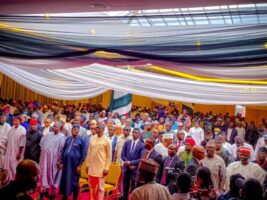
The 2026 Creative Africa Nexus Weekend (CANEX WKND) opened in Lagos on Thursday, November 5, with discussions on the need for stronger investment, sustainable funding and long-term partnerships to support Africa’s creative industries.
The four-day event, which runs until November 8, is holding at the Wole Soyinka Centre for Culture and Creative Arts, popularly known as the National Theatre, Lagos. It marks the first time Nigeria is hosting CANEX WKND, although the event has previously held in other African countries.
The gathering, organised by the African Export-Import Bank (Afreximbank) through its Creative Africa Nexus (CANEX) programme, in partnership with the Federal Government of Nigeria, the African Union Commission and the African Continental Free Trade Area Secretariat, brings together creatives, entrepreneurs, investors, policymakers and industry leaders from across Africa and the diaspora.
Held under the theme, One People, United in Culture, Creating for the World, the event seeks to strengthen Africa’s creative and cultural industries by connecting practitioners with investment, funding, business opportunities and international markets.
The opening ceremony was attended by Nigeria’s Vice-President, Kashim Shettima; Lagos State Governor, Babajide Sanwo-Olu; and the Minister of Industry, Trade and Investment, alongside other government officials and representatives of the creative industry.
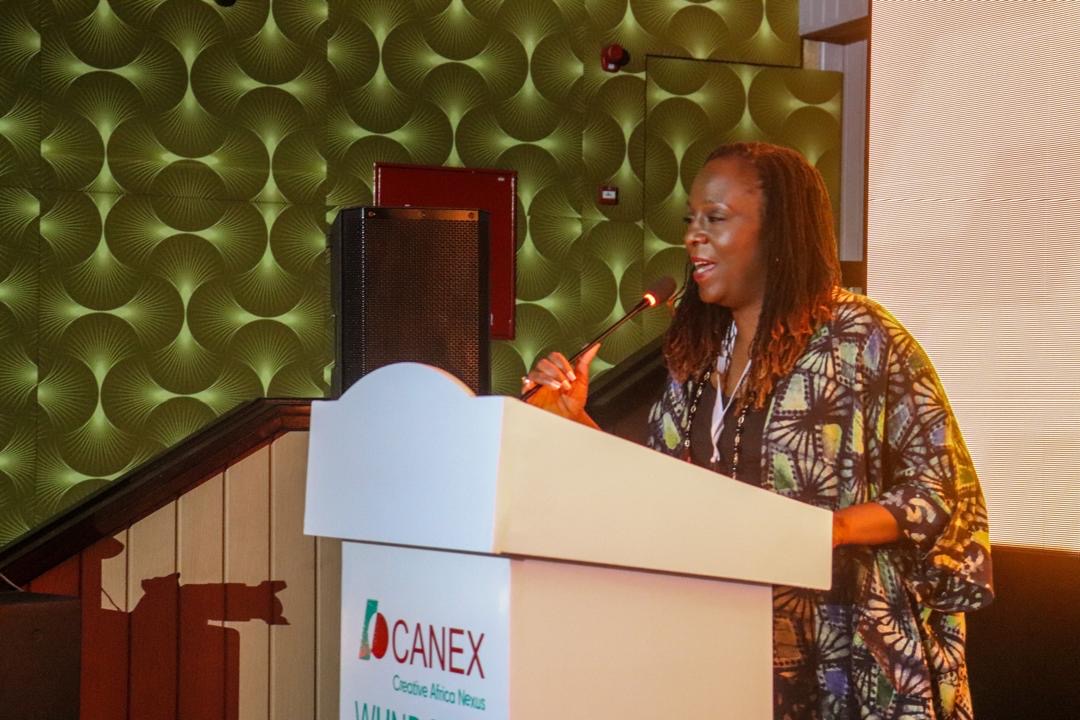
Speaking during the opening day’s activities, General Manager and Chief Executive Officer of the National Theatre, Tola Akerele, called for increased investment in the creative sector, particularly through long-term sponsorships, government funding and private-sector partnerships.

Akerele said creatives needed to move beyond occasional sponsorships and develop business models capable of generating consistent income.
She highlighted the National Theatre’s Project Management for Performing Arts course, which equips practitioners with the skills required to manage productions and operate successful creative businesses.
She also cited the Creative Summit, which has held in Kano, with another edition planned for Enugu, as part of efforts to help creatives understand funding opportunities and build sustainable enterprises.
According to her, receiving sponsorship for a single production does not provide the long-term stability required by creative businesses.
She advocated sponsorship arrangements built around shared visions and long-term commitments, suggesting that companies could support performances over five years rather than fund individual productions.
Akerele also called for increased government support and the establishment of a local endowment fund to support creative projects.
She said Nigeria needed greater recognition of the economic and social value of its creative industries, particularly their contributions to young people, communities and cultural storytelling.
The private sector, she added, had an important role to play in supporting the industry. She cited FCMB and Stanbic IBTC among banks that had supported some of the National Theatre’s programmes, urging more organisations to invest in cultural activities.
At a panel discussion titled Building Sustainable Business Models in the Performing Arts, participants examined the financial and structural challenges facing the sector, including limited funding, dependence on grants and sponsorships, high production costs and difficulties accessing affordable performance venues.
The discussion featured Désirée Coulibaly, Manager of Marketing, Partnerships and Events at the Abidjan Market for Performing Arts (MASA), Côte d’Ivoire; Nigerian producer, writer and arts manager Lydia Idakula; Mohamed Ben Said, Founder and Chief Executive Officer of Acacia Productions, which operates in Tunisia and France; and Fahadi Mukalla, a theatre practitioner with experience in youth participation and community engagement in Wales and the United Kingdom.
The conversation focused on the need for performing arts organisations to develop alternative sources of income beyond ticket sales and one-off grants. It also examined the role of government institutions in providing long-term support through funding, improved regulations and policies that make touring and international collaborations easier.
Other issues discussed included building long-term private-sector partnerships, developing local audiences, supporting emerging artists and making performance venues more affordable and accessible to production companies.
The panel also examined how creative productions could reach audiences beyond their original locations through touring and international distribution, as well as the opportunities digital platforms offer for expanding audiences and generating income.
Another highlight of the opening day’s programme was a masterclass by television host and media entrepreneur Akbar Gbajabiamila, co-founder and host of the One54 Africa Podcast.
The session explored the media industry, professional consistency and the realities of building a career across different cultural and professional environments, drawing on Gbajabiamila’s experience as a Nigerian-born media personality in the United States.
CANEX WKND 2026 continues until November 8, with exhibitions, performances, masterclasses, panel discussions and business engagements across film, music, fashion, literature, visual arts, gastronomy, sports, crafts and design.