 Get Guardian on Google
The Dangote Refinery IPO has shown how digital platforms can extend access to investment opportunities. The next challenge is to take that access beyond conventional stocks and connect more Nigerians to the businesses and productive assets that create wealth.
As the figures from the Dangote Refinery IPO began to emerge, one comparison that caught my attention was that Bamboo, a digital investment app, reportedly processed more subscriptions than traditional banks and stockbroking firms.
According to reports, the IPO attracted more than ₦860 billion in online retail subscriptions, representing approximately 2.2 million transactions from 1.55 million unique online subscribers. Of this, Bamboo processed more than 600,000 subscription transactions, the highest among the identified online distribution channels, valued at approximately ₦99 billion compared to Zenith Bank’s ₦98 billion. FirstBank followed with ₦60 billion, while Chapel Hill Denham recorded approximately ₦57 billion.
For those of us who follow financial technology, digital banking and financial product distribution, these figures reveal a shift in how investment opportunities reach Nigerians. The story is no longer just about who has an investment product, but who can put it in front of the people who might want to invest.
The market is moving closer to the investor
Nigeria has never been without investment opportunities. Public offers, government securities and listed shares have been available through the capital market for years. The harder task has often been getting ordinary Nigerians to participate.
Based on my personal experience of buying stocks in the late 2000’s, you have to find a stockbroker or receiving agent, understand the offer, complete the paperwork, and follow a process that could now feel overwhelming, when compared to the modern era. Back then, the opportunity existed, but the route to it was not always straightforward.
NGX and the infrastructure behind the shift
Nowadays, you can subscribe to a public offer through a banking or fintech app. Behind that simple action several parts of the capital market must work together. The customer interface may belong to a fintech, but the transaction depends on connections to stockbrokers, the exchange and other market institutions.
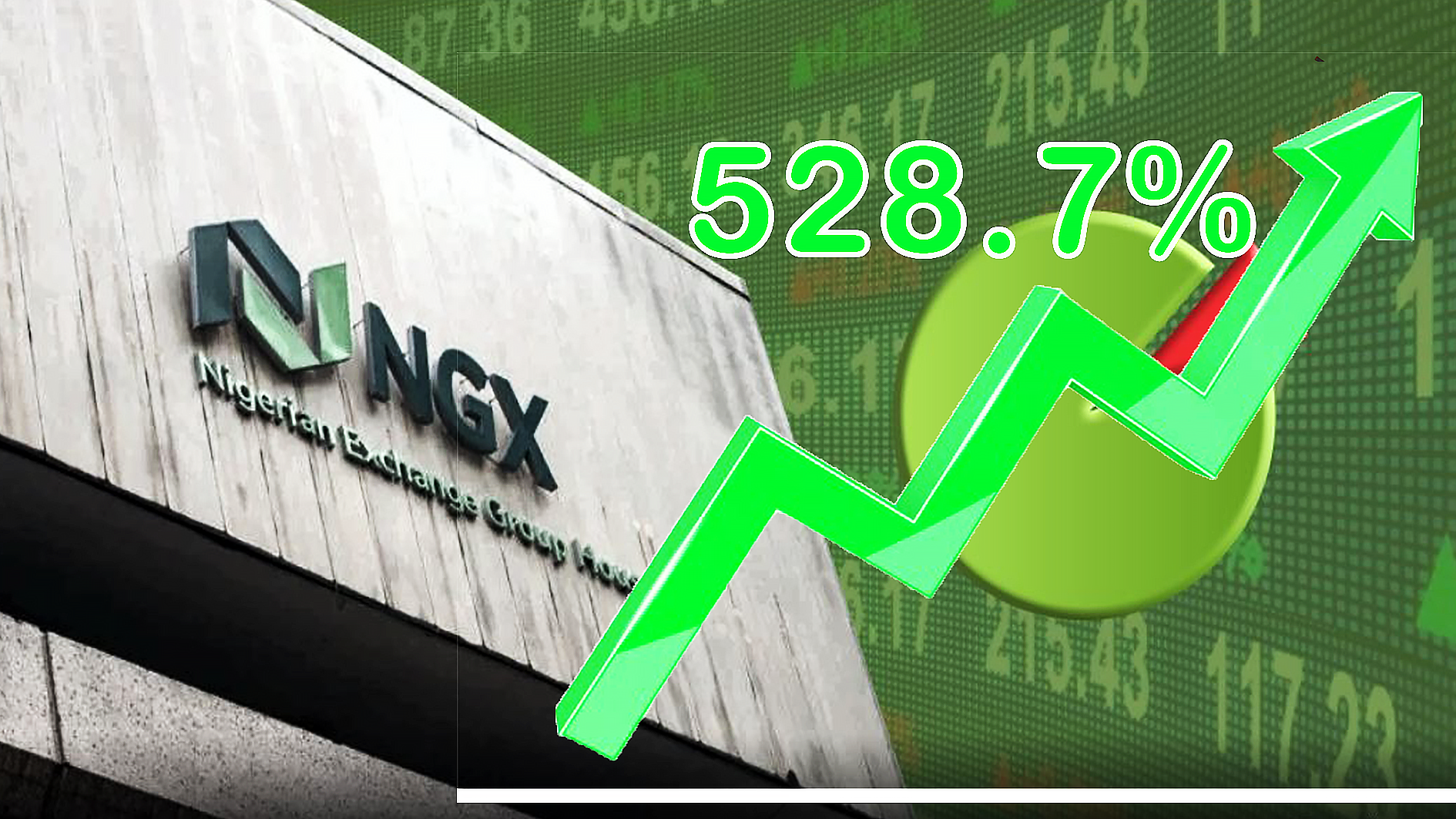
The Nigerian Exchange (NGX) has been building the infrastructure to make these connections possible.
Launched in 2024, NGX Invest provides electronic infrastructure for public offers and rights issues, linking financial institutions, stockbrokers and digital platforms through technology and API integrations. Its capacity was already evident during the banking recapitalization exercise. NGX Group reported that approximately ₦2.8 trillion of the ₦4.65 trillion raised through the capital market was mobilized through NGX Invest.
This is a parallel to how digital payments works.
Similar to how banks and fintechs do not need to build their own switching and settlement networks to reach customers. The shared infrastructure of NIBSS and other institutions allowed them to participate and extended the reach of digital transactions.
NGX is applying a similar principle to investment distribution. Rather than requiring every bank or fintech to build its own capital-market systems, shared infrastructure allows them to connect customers to investment opportunities through familiar channels.
The result is a change in where the investor’s journey begins: not necessarily at a stockbroker’s office or on an exchange platform, but within a financial application already used for everyday transactions.
What if the next retail investors do not have to leave the app they already use ?
The Dangote IPO offer comprised 4.1 billion ordinary shares at ₦525 each, targeting approximately ₦2.15 trillion. With a minimum subscription of 10 shares, or ₦5,250, it was designed to accommodate retail participation.
Aliko Dangote’s ambition was to attract as many as 10 million subscribers. It reached less than 2 million.
This raised the question of how to grow participation if general-purpose financial platforms can become additional routes into the capital market?
For example, making suitable investment products available through platforms people already use could bring the opportunity closer to them without first having to seek out a specialist application.
This would not require payment companies to become stock exchanges or take on the responsibilities of licensed brokers. They could work with authorised market participants and connect to existing infrastructure to offer additional distribution channels.
The opportunity extends beyond one company. Digital banks, mobile money operators, cooperatives and organisations with established customer or community networks could also help bring new investors into the market.
From access to ownership
People want opportunities to build wealth beyond income from employment or business, including through dividends and potential capital appreciation. But if access to investment is not democratized, how many people will be able to participate in the wealth being created by the economy?
We have a landscape in Nigeria where productive businesses across agriculture, energy, manufacturing, technology, entertainment, real estate and infrastructure need capital to expand. At the same time, millions of people have savings and an interest in building wealth but limited access to investment opportunities beyond familiar banking products.
Can suitable investment structures connect such businesses with a wider pool of people willing to provide capital and participate in their economic performance?
Extending the market beyond conventional shares
ContiSX Securities Exchange is one initiative exploring how capital-market infrastructure might extend into public and private markets. Its proposed ContiSX Economic Instruments (CEIs) are designed to represent fractional economic participation in productive ventures, including agriculture, small businesses, energy and infrastructure.
The idea is to create structured routes through which investors could participate in the financing and potential returns of businesses that may not be ready for public listing. Making that work, however, requires credible asset verification, transparent valuation, clear investor rights, reliable reporting and defined arrangements for returns and exits. Fractional participation does not remove investment risk, and regulatory oversight remains essential.
Financial inclusion must lead to economic participation
There is a difference between being financially included and participating in economic ownership.
Someone who can open a bank account, receive money and make payments has access to essential financial services. But that person may still have very limited opportunities to own shares, invest in businesses or participate in the growth of productive assets.
The next stage of financial inclusion should address that gap.
Technology alone cannot achieve this. It requires market infrastructure, appropriate regulation, financial education, credible investment products and distribution partnerships.
The next competition is about who connects people to opportunity
The Dangote IPO should be remembered for more than the amount raised or the number of people who subscribed. It has shown what Nigeria’s capital market can achieve when exchange infrastructure, traditional financial institutions and digital platforms work together.
The work ahead is to extend these connections: make public offers accessible through more digital channels, enable more payment platforms to explore regulated investment partnerships, and give productive businesses more ways to raise capital from a wider pool of investors.
A prosperous economy cannot depend only on making it easier for people to spend, transfer and save money. It must also give them opportunities to own, invest and participate in the productive activities that generate wealth.
If financial technology can make investment easier to access, while market infrastructure connects more people to businesses creating value, financial inclusion begins to mean more than access to an account. It becomes a pathway to economic participation.