
 Get Guardian on Google
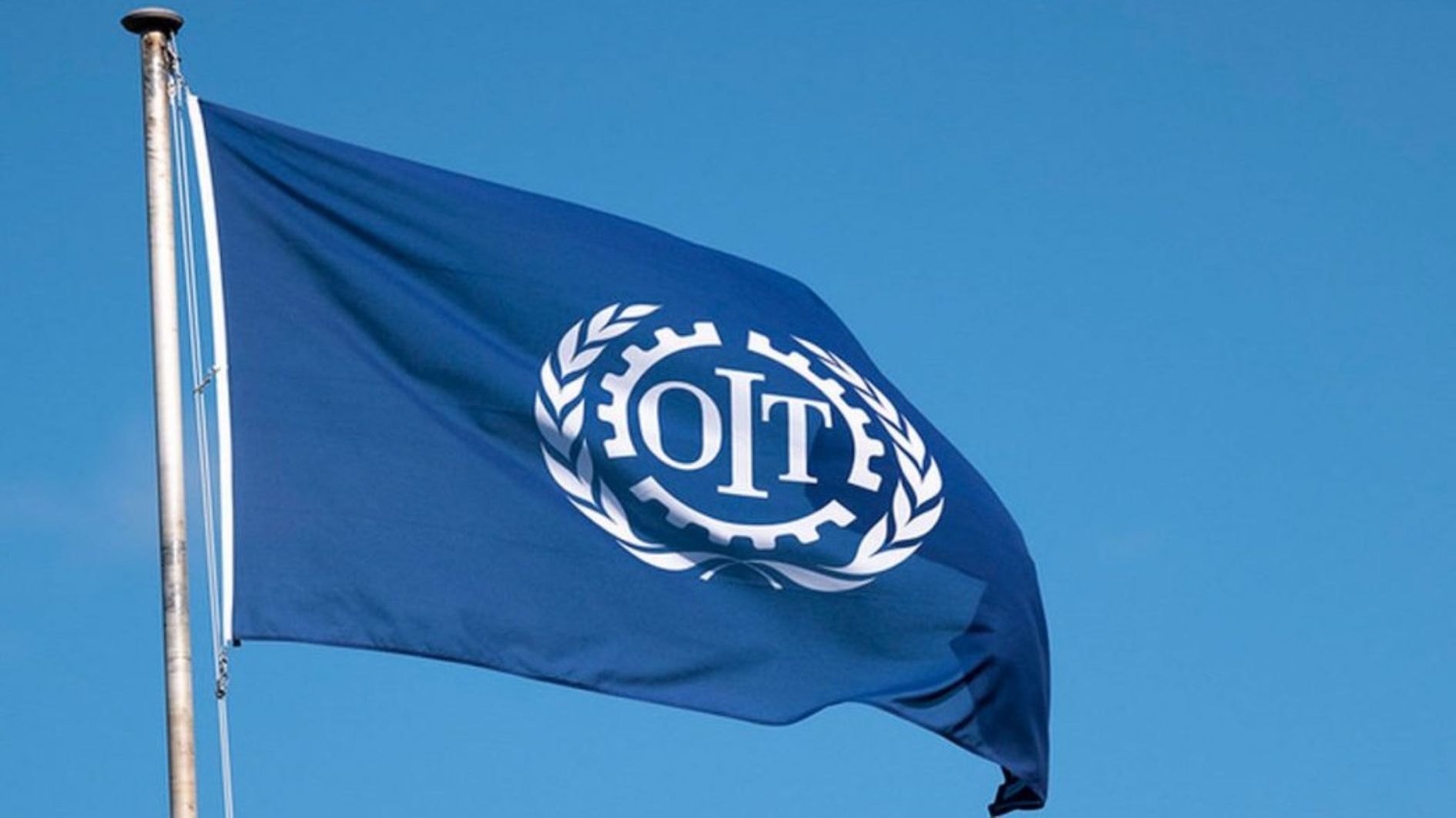
The International Labour Organisation (ILO) has begun deliberations on a proposed six-year global roadmap to move workers from informal employment into the formal economy, as concerns mount over precarious jobs, weak labour protection, and limited access to social security worldwide.
The roadmap, covering 2027 to 2032, is among the key issues before the ILO Governing Body at its 358th Session, which opened on Nov 9 at the organisation’s headquarters in Geneva, Switzerland, and will run until November 19.
The proposed framework is expected to advance efforts to reduce informality and promote decent working conditions, with implications for millions of workers operating outside formal employment and social protection systems.
The discussions come as the changing nature of employment, particularly the expansion of digital labour platforms, raises fresh questions about workers’ rights, employment status and access to decent working conditions.
Consequently, the Governing Body is also following up on the ILO’s standard-setting discussions on decent work in the platform economy, an area that has become increasingly important in debates about the future of work and the protection of workers in emerging employment arrangements.
A major highlight of the session will be the election and appointment of a new ILO Director-General on November 16. The successful candidate will serve a five-year term from October 1, 2027, to September 30, 2032.

The appointment comes at a critical period for the organisation, which is expected to sustain its work on labour standards, decent employment, social protection and the challenges associated with changing global labour markets.
The Governing Body will also review the organisation’s financial position, including contingency measures introduced to address financial challenges, progress in implementing institutional reforms and preliminary proposals for the 2028–29 Programme and Budget.
Also on the agenda are country-specific developments on applying international labour conventions, including follow-up issues concerning Belarus, Myanmar and the Bolivarian Republic of Venezuela.