
 Get Guardian on Google
Says President prioritised next generation over next election, describes 2027 manifesto as an inviolable contract with Nigerians
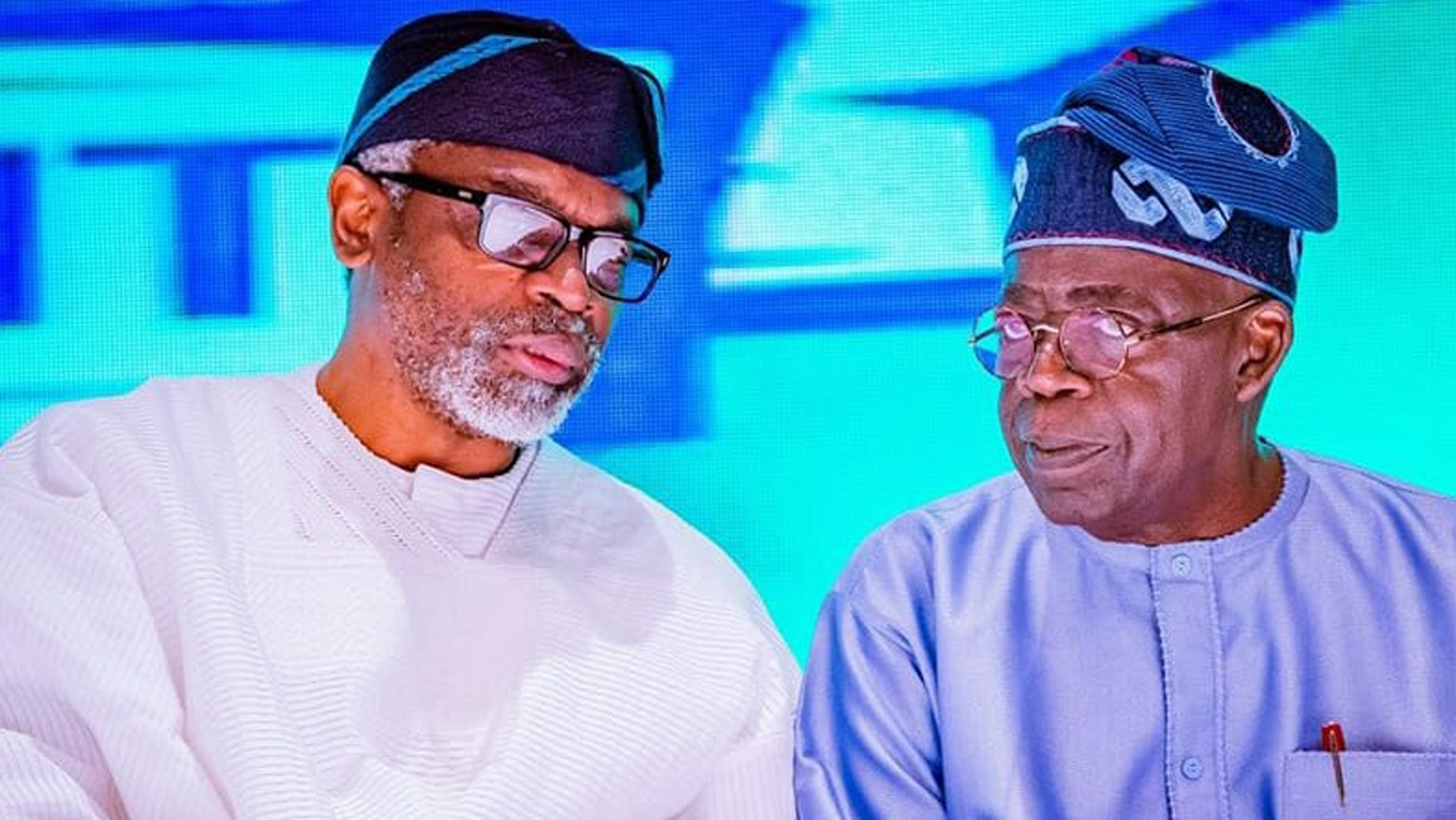
Chief of Staff to President Bola Tinubu, Femi Gbajabiamila, has defended the economic reforms introduced by the administration, saying the President chose to govern as a leader rather than a politician by confronting difficult economic challenges despite their immediate consequences for Nigerians.
Gbajabiamila said Tinubu’s decision to remove the petrol subsidy and reform the foreign exchange system demonstrated his willingness to take difficult decisions in the country’s long-term interest rather than pursue policies designed to secure immediate political gains.
Speaking at the presentation of the administration’s manifesto titled: “From Reforms To Prosperity Agenda 2027 -2031” ahead of the 2027 general elections, he drew a distinction between political leadership driven by electoral calculations and statesmanship focused on the future of the country.
According to him, while politicians are often preoccupied with the next election, leaders think about the next generation.
“The President had a choice. He could either govern as a politician or govern as a leader. There is a very huge difference between the two,” he said.
“If he came in as a politician and decided to govern as a politician, he would have continued on the cruise, on the path that we were taking. But instead, knowing full well the immediate consequences, he decided he would govern as a leader.”

He acknowledged that the removal of fuel subsidy and the restructuring of the foreign exchange system had placed considerable pressure on households, insisting, however, that leaving the problems unresolved would have further weakened Nigeria’s capacity to invest in its future.
“Now, those decisions have placed real pressure on households. We must speak honestly about that experience, because the people living through it deserve to be heard, and nobody should have to pretend that life is easy at the moment,” he said.
Gbajabiamila maintained that the administration’s responsibility was to ensure that the opportunities created by the reforms translated into tangible improvements in the living conditions of Nigerians.
He described the manifesto as an inviolable contract between the government and the people, arguing that its credibility would ultimately depend on the administration’s ability to deliver on its promises.
“At the heart of this manifesto is my abiding conviction that every Nigerian should be able to share. Your country should give your best efforts a fair chance. A manifesto, in its strictest sense, is simply a contract between the people and the leader,” he said.
He added that the administration wanted a country where hard work could guarantee a decent standard of living, young people could pursue their ambitions and citizens could access public services without political considerations.
The Chief of Staff cited the N-Power programme, student loans, tax reforms and the Electricity Act as examples of policies designed to expand opportunities and improve service delivery.
He said student loans were helping young Nigerians meet institutional fees and living expenses, while tax reforms provided relief for lower-income earners and qualifying small businesses.
Gbajabiamila also noted that the Electricity Act had created opportunities for states to establish and regulate their electricity markets, potentially widening access to power and encouraging investment.
He said the manifesto was built around four pillars, including security, with measurable targets, clearly defined responsibilities and mechanisms for reporting progress to the public.
According to him, Nigerians should be able to assess the administration’s performance, identify areas of progress and hold public officials accountable where commitments were not fulfilled.
He challenged members of the ruling All Progressives Congress (APC) to take ownership of the manifesto by explaining its provisions to Nigerians, engaging communities and listening to their concerns.
“The party asking to continue in government must be prepared to answer the people whose mandate it seeks. We must earn support through the quality of work, through the quality of our case, and the seriousness of our conduct,” he said.
Gbajabiamila said the administration would seek a fresh mandate in 2027 to consolidate its reforms and ensure that their benefits reached more Nigerians.
He urged citizens, including those unconvinced by the government’s policies, to study the manifesto and judge the administration by its record and commitments.
Describing the document as bold and audacious, he said its ambition reflected the personality and political disposition of Tinubu.
“I had a cursory look. I digested the manifesto. Ladies and gentlemen, this manifesto is bold. This manifesto is audacious. But then, so is the man who claims ownership of it, Bola Ahmed Tinubu,” he said.
He expressed optimism that the administration could build a Nigeria where families would enjoy decent living standards, businesses could grow, and young people would have opportunities to realise their potential.
For Gbajabiamila, the 2027 election would therefore be an opportunity for Nigerians to decide whether to allow the administration to continue its reform programme and translate its promises into lasting improvements in their lives.