
 Get Guardian on Google
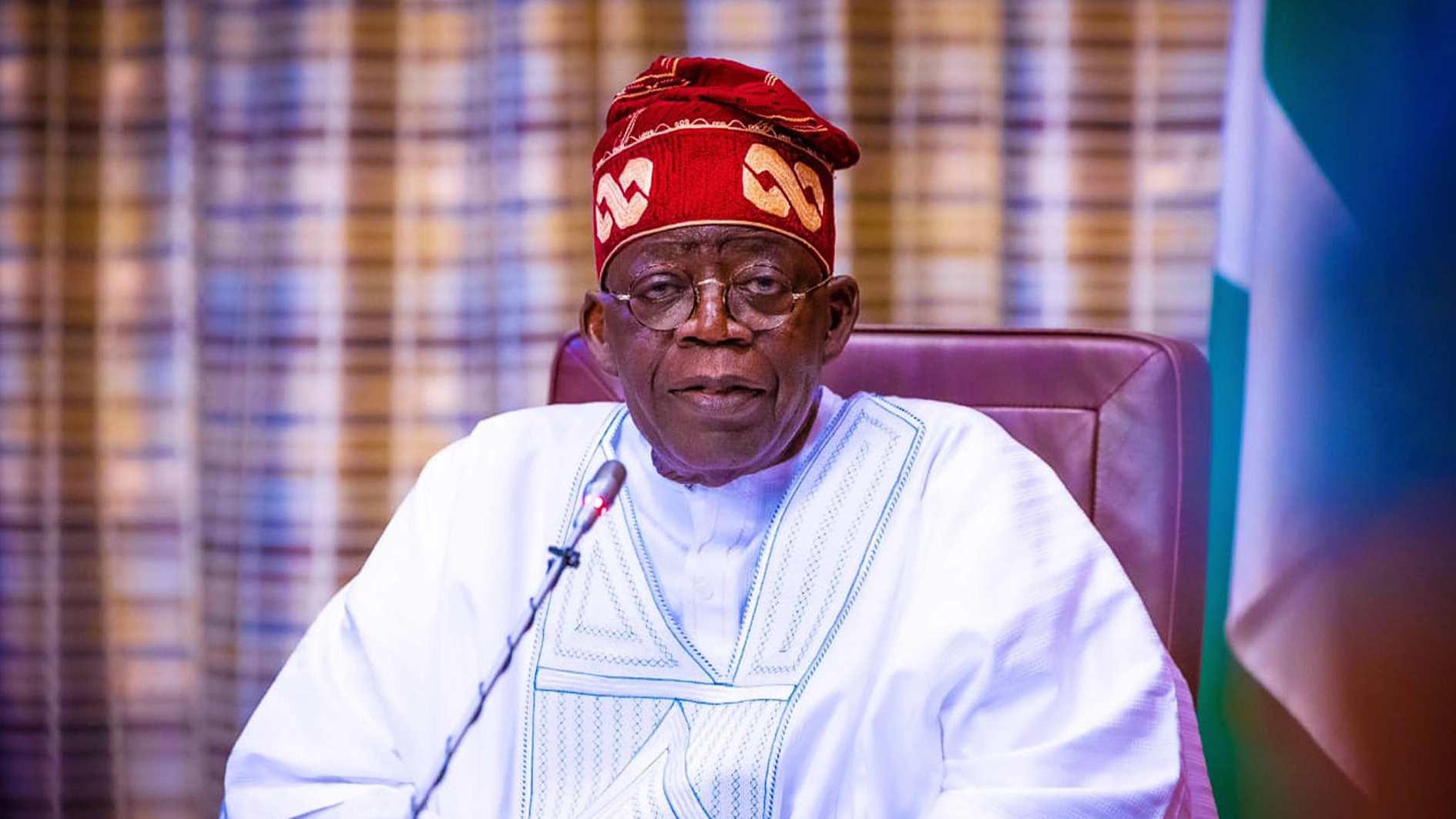
The growing support for President Bola Tinubu among opposition lawmakers in the House of Representatives ahead of the 2027 general elections has been attributed to the inclusive leadership style of Speaker Abbas Tajudeen.
The Deputy Spokesperson of the House of Representatives, Philip Agbese, said Abbas’ approach to legislative leadership had created an atmosphere of cooperation and mutual respect among lawmakers, irrespective of their political affiliations.
Agbese, who represents Ado/Ogbadibo/Okpokwu Federal Constituency of Benue State on the platform of the Labour Party, spoke in an interview in Abuja on Tuesday.
Despite belonging to an opposition party, the lawmaker has been at the forefront of advocacy for President Tinubu’s re-election in 2027.
He said the Speaker’s all-inclusive and non-discriminatory approach to managing the affairs of the House had helped to bridge political differences and foster cooperation between members of the ruling All Progressives Congress (APC) and opposition parties.
According to him, Abbas has demonstrated that effective legislative leadership is not about favouring members of the ruling party but ensuring that every lawmaker has a sense of belonging and an opportunity to contribute to the affairs of the legislature.

“In his firm belief in the ‘joint task project’ of the 10th Assembly, Speaker Abbas has ensured that members cutting across all political parties are carried along in terms of chairmanship, deputy chairmanships and memberships of key committees of the House,” Agbese said.
He added that the Speaker had extended the same democratic approach to the composition of critical ad-hoc committees, ensuring that lawmakers from different political platforms were involved in important legislative assignments.
“Even in the chairmanships and membership composition of critical ad-hoc committees of the House, you will observe that the Speaker has been very democratic and all-inclusive in carrying everyone along,” he said.
Agbese maintained that Abbas had sustained an atmosphere of consultation, mutual respect and accommodation, enabling lawmakers from different political parties to work together in pursuit of common national interests.
He noted that members of the House were elected primarily to represent their constituencies and should not allow partisan considerations to undermine their responsibility to support policies and programmes capable of improving the lives of Nigerians.
The Deputy Spokesperson argued that the growing cooperation between opposition lawmakers and the Tinubu administration should be understood within the context of the leadership environment created by Abbas, rather than viewed merely as a product of party politics.
He said the Speaker’s ability to carry all members along had strengthened unity in the 10th Assembly and encouraged lawmakers to assess government policies on their merits, irrespective of the political party responsible for introducing them.
Agbese identified economic development, security, infrastructure, employment generation and improved living conditions as major national concerns requiring collaboration among political parties.
According to him, elected representatives should be prepared to support initiatives that address these challenges and improve the welfare of their constituents, regardless of their political affiliations.
He said the experience in the House demonstrated that political differences should not prevent lawmakers from cooperating with the executive arm of government on policies considered beneficial to the country.
Agbese added that inclusive leadership was particularly important as political activities gathered momentum ahead of the 2027 general elections, stressing that national development required cooperation beyond party boundaries.
He maintained that the 10th Assembly’s experience under Abbas had shown how mutual respect and equitable representation could promote legislative harmony and create room for cross-party engagement.