 Get Guardian on Google
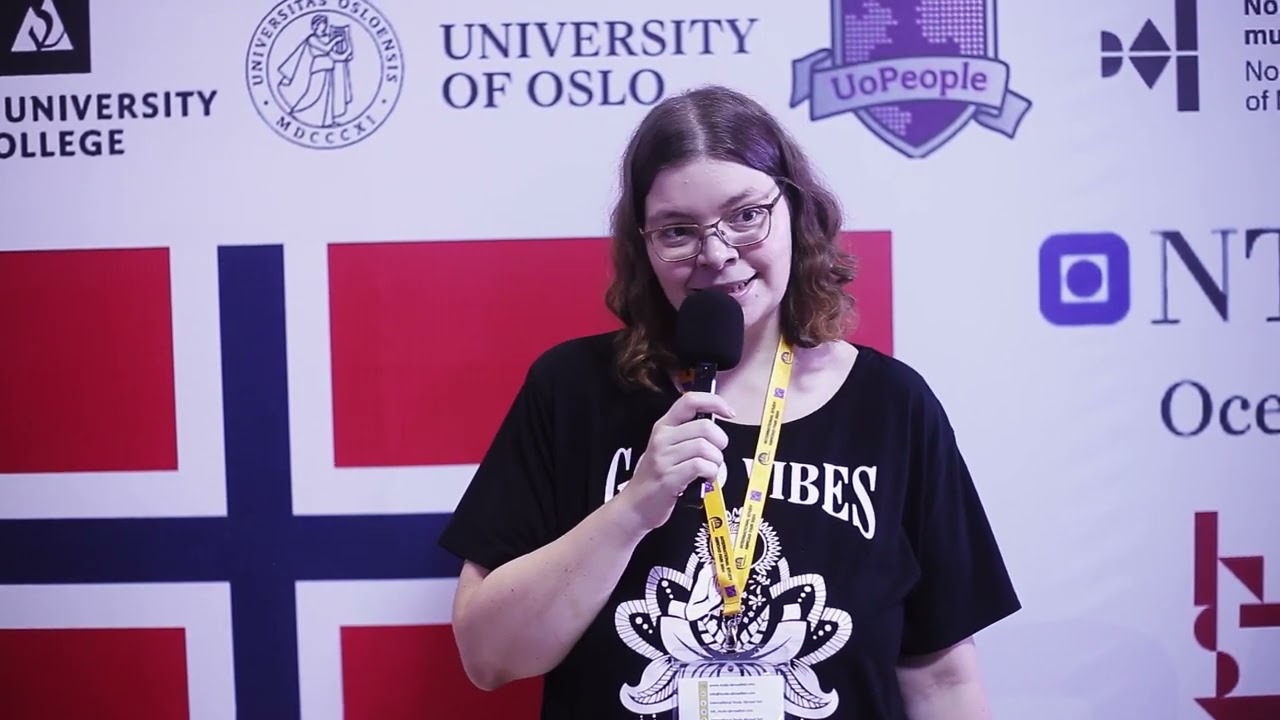
Missing documents can cost applicants a scholarship opportunity, while finding a research supervisor can take more than sending emails. In this interview, Charlotte Sophie Meyn, a German Academic Exchange Service (DAAD) lecturer at the University of Ibadan, speaks with MUSA ADEKUNLE about securing DAAD scholarships, learning German, academic exchange and life in Ibadan.
What does your work at the University of Ibadan involve?
Primarily, I teach. I teach German in the Department of European Studies. I teach at an undergraduate level. And we are planning to do a master’s. Very soon, I will also teach at a postgraduate level.
What I also do to an extent, but that is mostly done by our Ghana office, is consult people about research grants, scholarships and fellowships from DAAD. I know some of the basics, but if they get more specific, I always refer them to the Ghana office.
Every year, I do a science slam, which is called Falling Walls Lab. That is for young researchers, startup founders and innovators, where everyone has a chance to present their innovation or invention in three minutes. And the winner gets to go to Germany to represent Nigeria.
What brought you to Nigeria?

Before Nigeria, I worked in Benin Republic as a DAAD trainee, as a language assistant, which is kind of, sort of a trainee to become a DAAD lecturer. And while I was in Benin Republic, I went on holiday in Nigeria, and I absolutely loved it.
I have been to many countries on the African continent, and what you notice is that Nigeria is always present. Wherever you go on the continent, people love Nigerian music, Nigerian movies, Nigerian fashion. And it is just such a cultural and also economic powerhouse. And that is what drew me here.
Where should Nigerians interested in DAAD scholarships begin?
First of all, we have a website where we have a database where we have all our different scholarships. People always say, “How do I get that DAAD scholarship?” That DAAD scholarship does not exist.
We have many different scholarships. We have for master’s, we have for PhD, we have for postdoc, we have for research stays. So, first of all, check our website and look at which scholarships could be interesting to you.
What common mistake should applicants avoid?
People forget to send documents. And I know other institutions, they will write to you and say, “I am very sorry, you forgot this document. Please send it in.” DAAD, unfortunately, we do not have the capacity.
If even one document is missing from your application, that is it. Your application gets dismissed. So, it is very, very important that your application is complete.
How can prospective applicants get guidance?
Another thing that I would recommend is to get in touch with our alumni association and find a mentor in your field.
For example, let us say you are a PhD student and you want to do research in Germany. If you just write to random professors in Germany in your field, they might be apprehensive. They might think this is very strange.
But if you already know another person in your field who has done a research stay in Germany, who has contacts in Germany, you should utilise this. So, if you are not sure how to go about it, get in touch with our alumni association.
I personally do not know professors in every single scientific field in Germany.
What other challenges do research applicants face?
One challenge, of course, for a lot of PhD students is finding a professor in Germany or a university in Germany that is willing to host them.
A lot of people make the mistake. They just randomly write to 100 universities in Germany that are in their field and ask if you can host them. Those universities get tons of these emails. That is not going to be helpful.
Ask your professor. Ask your supervisor. Ask your seniors. Ask the DAAD alumni association and tell them, “I am in, I do not know, botany or I am in mechanical engineering. Do you have any contacts in Germany who would be interested in me?”
So do not just randomly send emails to people. Go through personal contacts.
Are DAAD opportunities limited to science students?
Science, humanities, everything. We are on a university level. So, anything that is taught at a university level is relevant for us.
Are there opportunities for undergraduate students?
We do have a lot of scholarships for master’s and PhD. We do not really have anything on a bachelor’s level. But for people who actually study German as a degree, we also have a few things on a bachelor’s degree level.
If you study German on a bachelor’s degree level and you are very good, you can get a scholarship to do one month intensive course in Germany.
Does DAAD maintain contact with beneficiaries after their scholarships end?
In DAAD, once you finish your scholarship, we do not just leave you alone. We still invite you for events. We still give you grants to organise different events.
If you want to do a specific type of research conference, there are specific grants just for DAAD alumni. So once you have got a DAAD scholarship, you can stay with us for life. We will still offer you possibilities.
It is not like you go to Germany once, that is it. You are not involved with DAAD anymore.
What do your students most want to know about Germany?
Their primary goal or idea is, “How do I get to Germany?” A lot of them want to travel to Germany.
What I cannot emphasise enough is, if you really plan to go to Germany for a longer period of time, you need to speak German. A lot of people think, “Oh, I can just learn a little bit of German on Duolingo. I can do it in English.”
Does someone visiting for a short research fellowship also need German?
If you just go to Germany as a researcher and you stay there for like six months to do a research fellowship, you do not necessarily need to speak German. But if you want to go to Germany for good, yes, you have to speak German. There is no way around that.
Why do you place so much emphasis on the language?
A lot of people think, “Oh, I can just go there with English.” No, that is not how it works.
People think because I speak pretty good English, every German does. No, I got this job because I speak good English.
Especially in the countryside. I lived in the countryside. Even doctors there do not speak English. If you want to get anywhere in Germany, learn German.
How do you encourage exchange among students learning German across Africa?
With my students, I have travelled to visit German departments in Cameroon, Benin Republic and Togo.
I think it is very important, especially to have this kind of exchange with Francophone countries because they only speak French. Nigerians only speak English. The only language they have in common is German. So they have to speak German. That is my idea.
What do you enjoy about living in Ibadan?
I really want to interact with Nigerians. I have a great circle of friends in Ibadan. I go to a lot of events like games nights and quiz nights.
I am the only foreigner there, but that is good. That is why I am there.
Have you tried amala?
I eat amala sometimes, but my favourite Nigerian foods are dodo and suya. Especially dodo and suya.
What would you most like Nigerians considering Germany to understand?
What I cannot emphasise enough, the language is important. You have to speak German to make it in Germany.
If you are not interested in learning German, that is very okay. Then please choose another country.