
 Get Guardian on Google
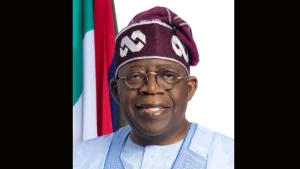
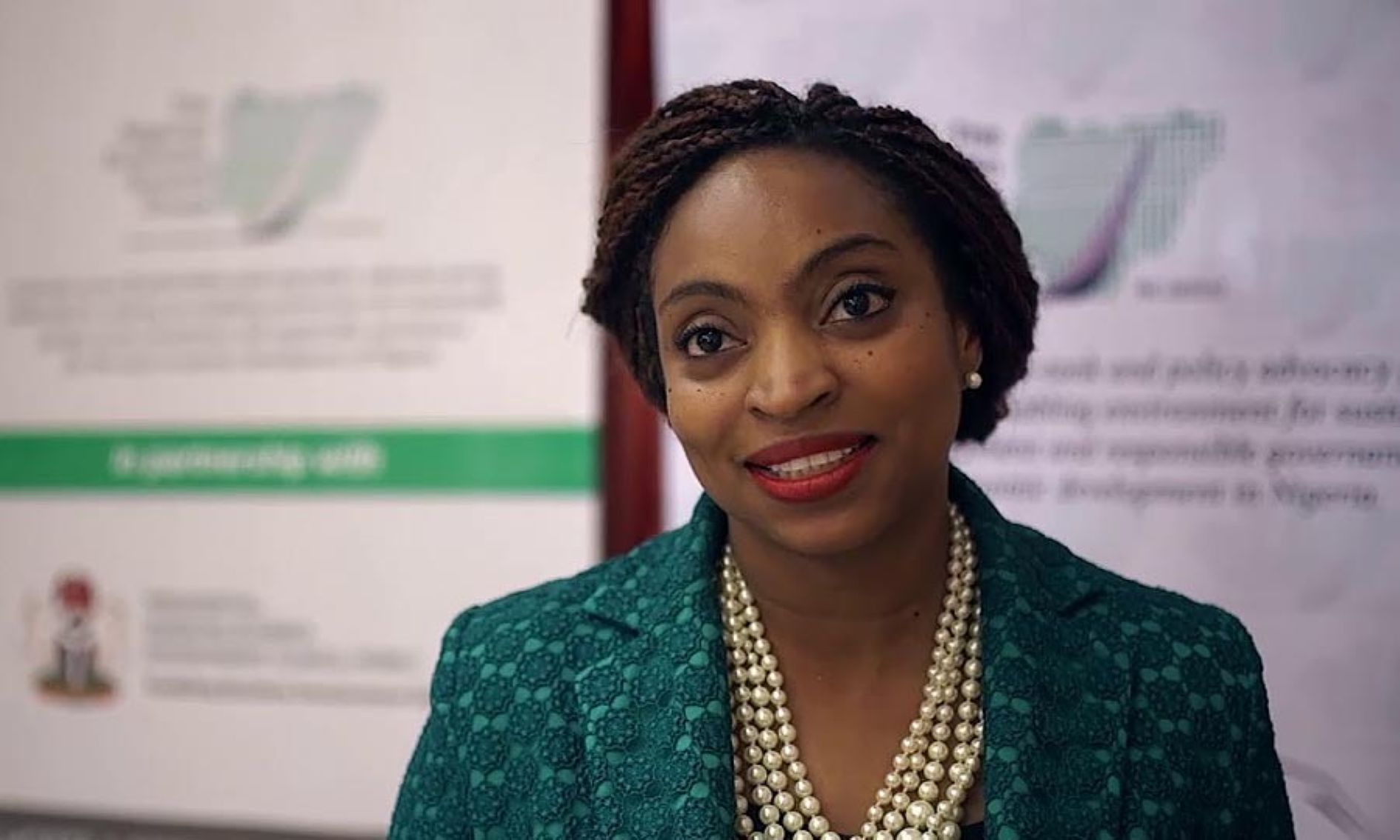
The Minister of Industry, Trade and Investment, Jumoke Oduwole, has admitted that Nigerians are struggling with the high cost of living but said President Bola Tinubu would resolve the country’s electricity crisis if re-elected for a second term.
Oduwole, who was involved in drafting the All Progressives Congress (APC) 2027–2031 manifesto, said the administration’s economic reforms were painful but necessary, insisting that prices were already declining.
She spoke yesterday on Channels Television a day after Tinubu unveiled the party’s manifesto at a campaign rally in Jigawa State.
Defending the administration’s renewed promise to fix the power sector, despite making a similar commitment ahead of the 2023 election, the minister described electricity as a “wicked problem” that successive governments had failed to solve over several decades.
“If the work was finished, we wouldn’t be asking for four more years,” she said.
Oduwole pointed to reforms, including the decentralisation of the electricity sector, which allows states to generate, transmit and distribute power independently of the national grid. However, she acknowledged that progress had been slow.

On the broader economy, the minister maintained that the administration had stabilised economic conditions. When asked whether Tinubu had fulfilled his 2023 promise to stabilise the economy, she argued that achieving even 50 per cent of the target should be considered a pass mark.
Oduwole also cited the growth of non-oil exports, claiming that their growth rate had, for the first time, exceeded that of oil exports, as evidence of progress in economic diversification.
She said small businesses were also benefiting from air cargo corridors connecting Nigeria to other African markets, adding that the country had more than 40 million micro, small and medium enterprises (MSMEs), which account for over 80 per cent of employment.
Confronted with growing calls by some Nigerians for a return to the economic conditions under former President Muhammadu Buhari, Oduwole said she was unaware of such sentiments, arguing that citizens were more concerned about improvements in their daily lives than government statistics.
She maintained that the Tinubu administration inherited an economy that was “almost going over a cliff”, a situation she said justified the need for its reform agenda.