
 Get Guardian on Google
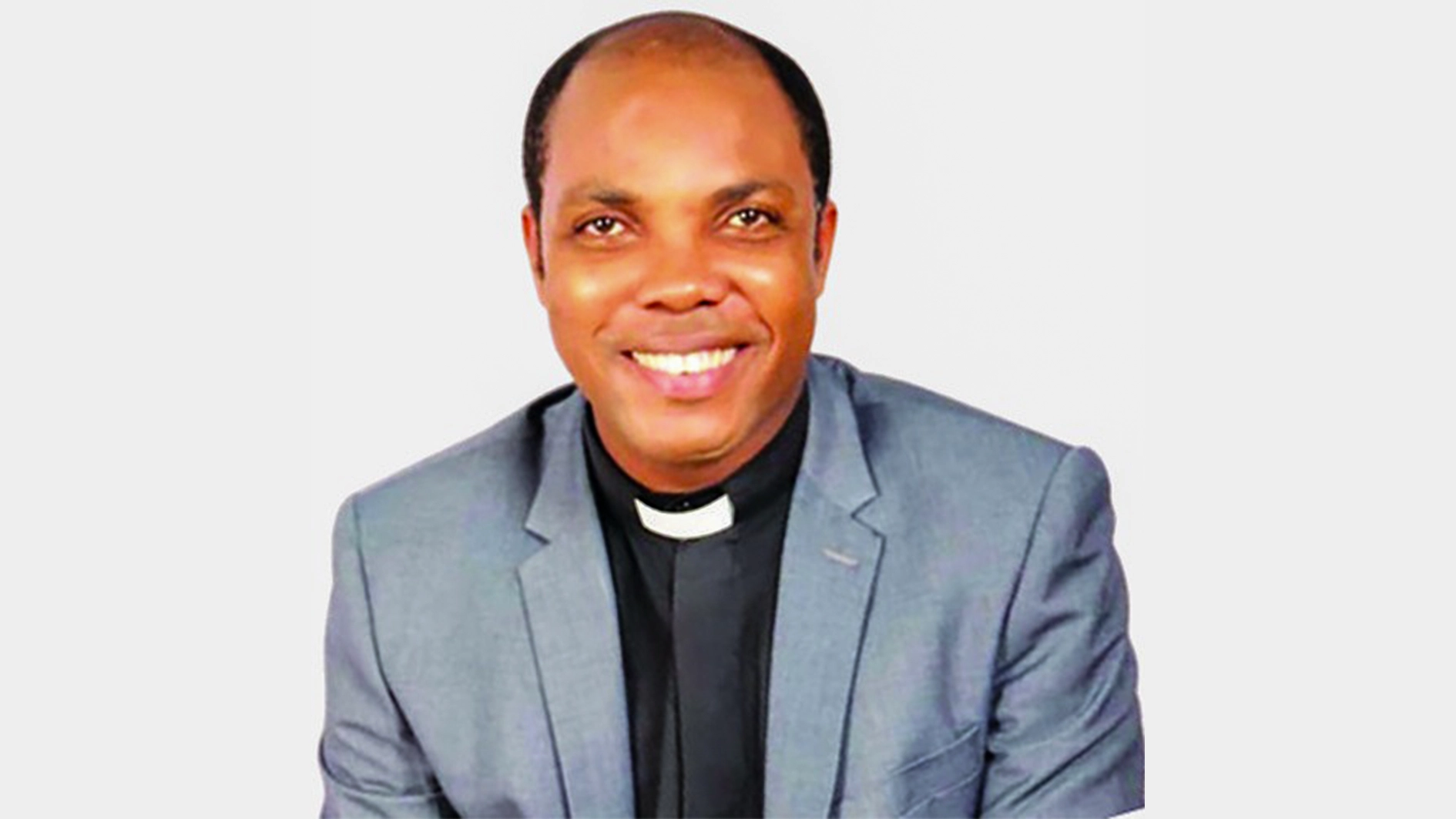
By Stephen Wolemonwu
“He healeth the broken in heart, and bindeth up their wounds.” – Psalm 147:3
Introduction
Everybody Is Wounded Somewhere
Go to any church, any office, and any family, you will not find a person without a wound. Some wounds are on the body, while most wounds are in the heart where no x-ray can see them.
We celebrate St. Luke, the beloved physician (Col. 4:14), for reminding us that the gospel is not only for the strong, butalso for the wounded. Jesus did not come to condemn the broken; He came to bind them.
Before we can be healed, we must be honest about what wounds us. Most of our deepest wounds do not come from demons. They come from people we love and from relationships.
What Are These Wounds? The Wounds Of Relationship
Human beings are made for relationship; with God, with family, with spouse, with friends, with church and society. When those relationships break, we bleed inside.
There are five common wounds:
• The Wound of Abandonment — “They Left Me”
This is Paul’s wound in 2 Timothy 4:10,16: “Demas hath forsaken me… at my first answer, no man stood with me, but all men forsook me.”
In day-to-day life: A father who left the family. A husband who travelled and never returned. A mother who died early. A friend who stopped calling when you lost your job. A church that forgot you when you were transferred. A child who grew up and abandoned the parents who sacrificed for him.
Abandonment says: You are not worth staying for. It leaves loneliness, insecurity, fear of loving again.
• The Wound of Betrayal — “They Broke My Trust”
This is Judas’ kiss. This is Ahithophel to David. This is the wife who discovers infidelity, the husband whose business partner stole money, the pastor whose closest elder gossiped about him, the friend who told your secret.
In social life, betrayal is the most painful because it comes from the inner circle. A stranger cannot betray you. Only someone you trusted can. It leaves suspicion—you begin to suspect everybody.
In Psalm 55:12-14, David said: “For it was not an enemy that reproached me; then I could have borne it: neither was it he that hated me that did magnify himself against me; then I would have hid myself from him: But it was thou, a man mine equal, my guide, and mine acquaintance. We took sweet counsel together, and walked unto the house of God in company.”
David is not crying about Saul, or Goliath, or the Philistines. Enemies he could handle. Enemies he expected. His cry was about a brother.
Why This Wound Is The Deepest
An enemy’s wound is on the outside. A brother’s wound is on the inside. If a stranger insults you, you can walk away. If your enemy attacks you, you can fight back. David says, “then I could have borne it… then I would have hid myself.”But you cannot hide from someone who knows your house, your password, your prayer points, your weakness. You cannot fight someone you once called my guide, my acquaintance.
That is why betrayal by a close person hurts more than any other wound:
• We took sweet counsel together
This was not a casual friend. This was the person you shared secrets with. You prayed together, you planned togetherand ate together. In today’s language: You were in the same choir, same cell group, same ministry, same business, same family. You told him what you never told your wife. You told her what you never told your mother.
• We walked unto the house of God in company.
This was not just a social friend. This was a spiritual friend. You went to church together. You took Holy Communion side by side. You lifted hands together.
That is why the wound is spiritual because it will make you to doubt God, doubt church, doubt prayer itself. You say, “If a person I prayed with can do this to me, who can I trust again?”
• The Venerable Stephen Wolemonwu is the Rector Ibru Ecumenical Centre, Agbarha-Otor, Delta State (08035413812)