
 Get Guardian on Google
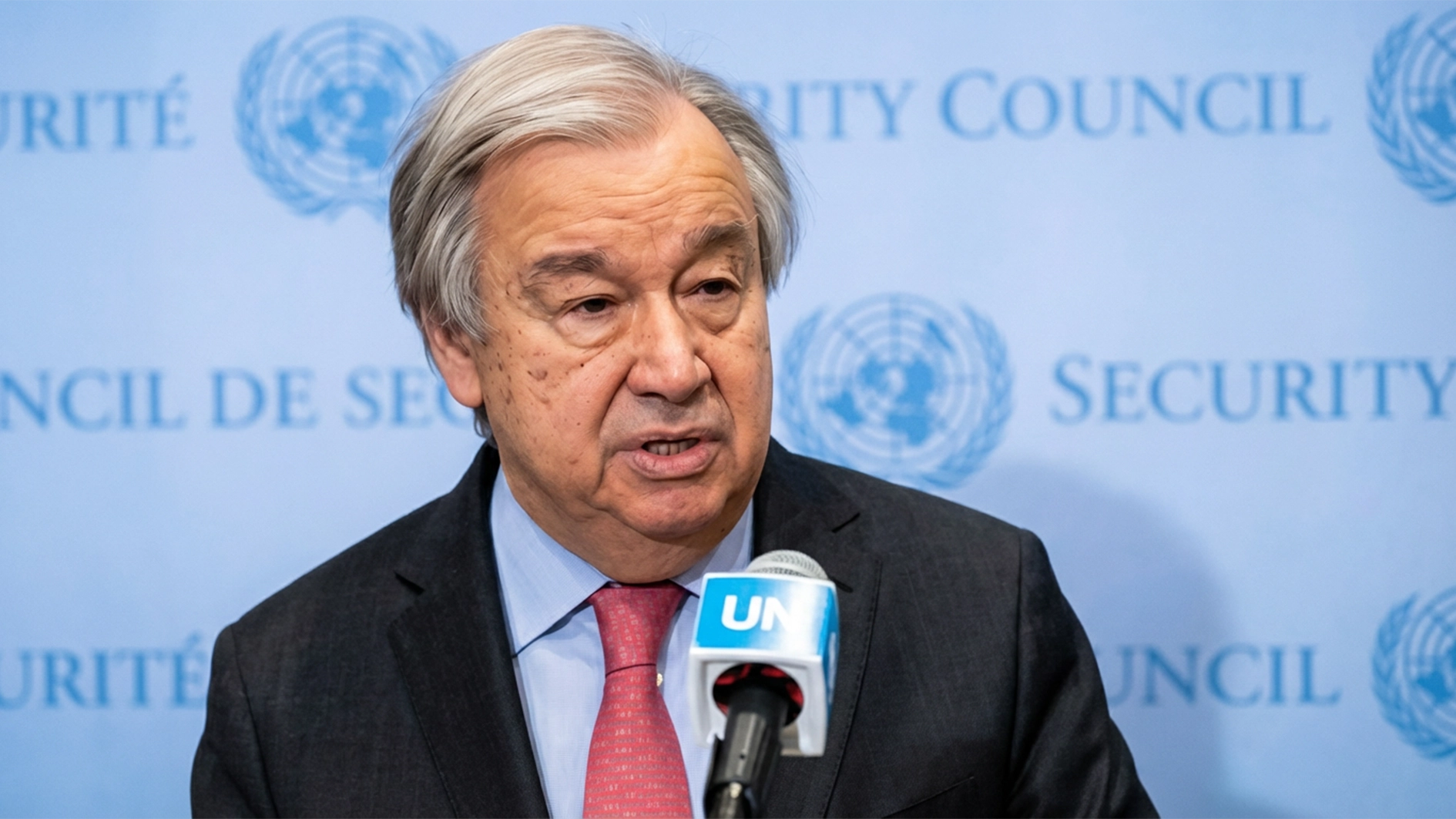
The United Nations Secretary-General, António Guterres, has made an emotional farewell to the UN Climate Change team at COP31, in a final participation in the yearly climate conference as head of the global organisation after a decade of championing urgent action against the climate crisis.
The UN Secretary-General’s tenure has been characterised by persistent warnings about the consequences of global warming and consistently placed climate action at the centre of leadership, advocating stronger commitments from governments and greater support for vulnerable communities bearing the brunt of climate change.
His farewell came as negotiations continued at COP31, with delegates working behind the scenes to bridge differences and reach common ground on outstanding issues threatening progress in the global climate negotiations.
Acknowledging his departure, the UN Climate Change Team commended his leadership, conviction and unwavering support for climate action, particularly his commitment to ensuring that scientific evidence remains central to international climate discussions.
Guterres has repeatedly called on world leaders to move beyond promises and take concrete steps to address the climate emergency, warning that delays in reducing greenhouse gas emissions would deepen environmental and socioeconomic challenges.
Speaking at his final COP press conference as Secretary-General, Guterres appealed for sustained global action, urging governments, businesses and other stakeholders not to lose sight of the urgency of the climate crisis.
“Face the facts. Follow the science. Choose the future. And never give up,” he said, reinforcing his longstanding position that the world must respond decisively to the scientific evidence on climate change.
Guterres’ departure also attracted recognition from Indigenous Peoples participating in the conference, who paid tribute to his advocacy for their rights and his acknowledgement of their critical contribution to protecting nature and addressing climate change.
The recognition highlighted the importance of Indigenous communities in global climate action, particularly their traditional knowledge, stewardship of natural resources and role in protecting forests and other ecosystems essential to climate resilience.
Meanwhile, the question of climate finance remained a major feature of discussions at the conference, with participants gathering for a meeting of the Coalition of Finance Ministers for Climate Action.
The coalition brought together finance ministers from different countries to integrate climate considerations into economic policies, national budgets and investment decisions.
Its engagement at COP31 underscores the growing recognition that achieving climate ambitions requires more than political commitments and environmental policies, as governments must also mobilise the financial resources needed to implement them.
Finance ministries are considered critical to this process because of their influence over public spending, economic planning, investment priorities and the allocation of resources for climate-related programmes.
The meeting therefore highlighted the need to place climate action at the centre of national economic decisions, particularly as developing countries continue to demand adequate financial support to tackle climate impacts, strengthen adaptation and transition towards low-carbon economies.
Also, a notable development at the conference was a gathering focused on the Paris Agreement Crediting Mechanism, which has moved from years of negotiations and anticipation towards implementation.
Guterres’ final appearance at COP31 as Secretary-General, provided a moment of reflection on his decade-long climate advocacy, even as the conference confronted the persistent challenges of financing, emissions reduction and protecting vulnerable populations.
Guterres goodbye message also served as a reminder that the responsibility for advancing global climate action does not end with the departure of one leader but rests on the continued commitment of governments and institutions to translate climate promises into measurable results.