
 Get Guardian on Google
The Federal Government has warned that negative narratives, misinformation and damaging perceptions about Nigeria are taking a toll on the country’s economy, discouraging investors, constraining businesses and driving skilled professionals abroad.
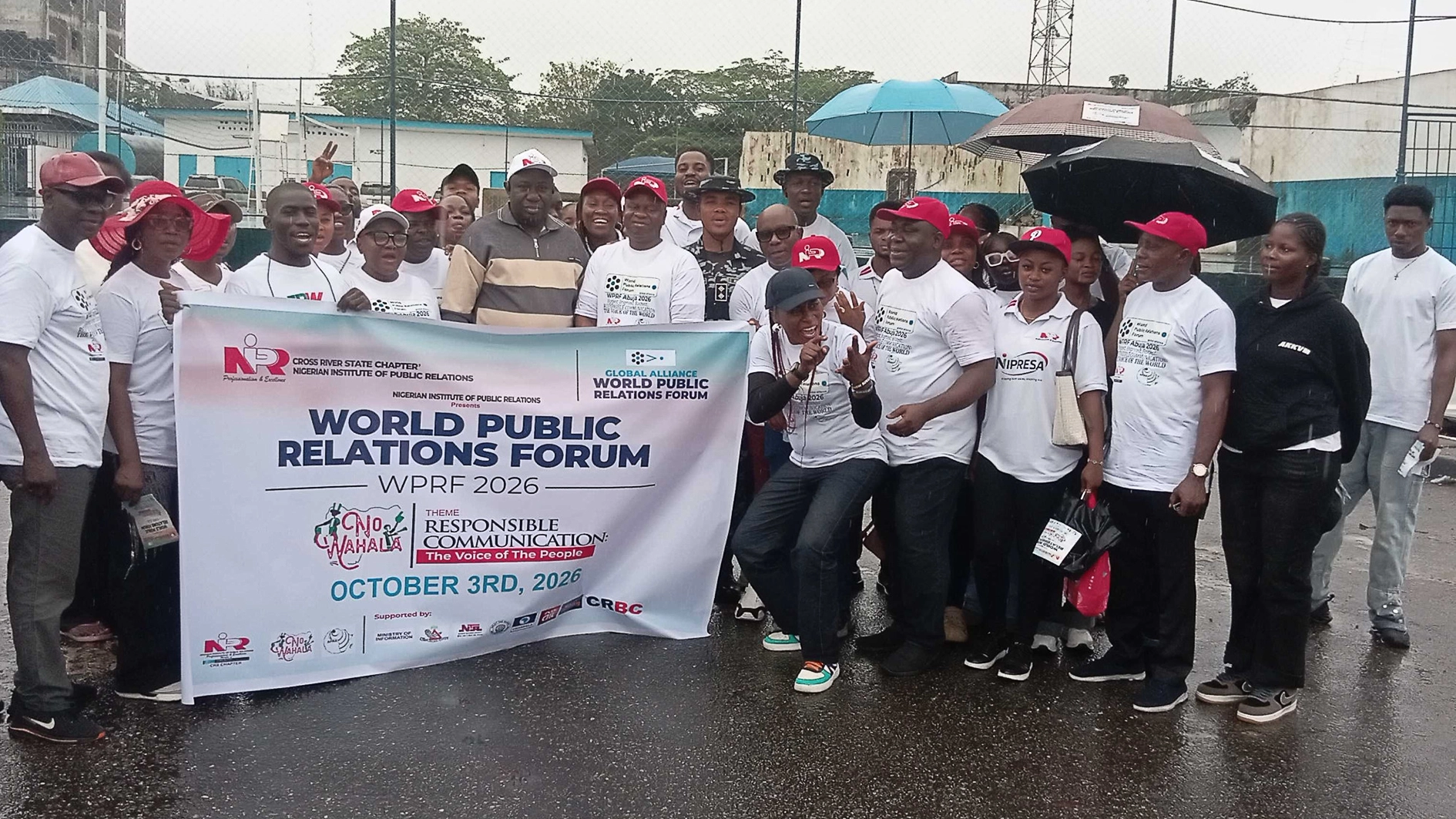
The Minister of Finance and Coordinating Minister for the Economy, Taiwo Oyedele, gave the warning on Tuesday at the ongoing 2026 World Public Relations Forum (WPRF) in Abuja.
He identified public trust as a critical factor in attracting investments, sustaining businesses and securing citizens’ support for government policies.
Oyedele, who spoke alongside the Comptroller-General of the Nigeria Customs Service, Bashir Adewale Adeniyi, and the Minister of Foreign Affairs, Bianca Odumegwu-Ojukwu, said Nigeria’s economic prospects were being undermined by narratives portraying the country as hopeless and incapable of progress.
According to him, expressions such as “Nigeria is finished”, “Nigeria is a scam” and “Nigeria happened to me” go beyond public relations concerns, as they could influence investment decisions, discourage business expansion and encourage talented Nigerians to seek opportunities elsewhere.
He said, “Trust is the one currency that sits beneath all the other currencies. When trust is strong, citizens cooperate, capital flows, businesses invest, and reforms get a fair hearing. When trust is weak, even sound policies meet suspicion, and every explanation sounds like an excuse.”
The minister, however, acknowledged that citizens had the right to expose government failures, demand accountability and draw attention to their difficulties, stressing that responsible communication should not be mistaken for suppressing criticism.
He said government and businesses could not depend on publicity to conceal poor performance or use communication as a substitute for service delivery.
“We cannot communicate our way out of conflicts,” he said.
Using the reported October 2026 inflation rate of 14.06 per cent, which he described as the lowest in six years, Oyedele said the disconnect between official economic figures and citizens’ everyday experiences had contributed to public distrust.
He explained that declining inflation did not mean prices were falling but that the rate at which prices increased was slowing, noting that many Nigerians remained unconvinced because the prices of essential commodities such as bread and milk remained high.
On the controversy surrounding the government’s tax reforms, he said misinformation had distorted the intentions and benefits of the measures, including provisions designed to protect small businesses and exempt low-income earners.
He also expressed concern about the growing influence of social media platforms, where sensational and divisive content often attracts more attention than factual corrections.
The minister warned that artificial intelligence had increased the dangers of misinformation, making it possible to fabricate convincing images, voices and documents and circulate them rapidly.
He urged media organisations, influencers and other information gatekeepers to verify information before sharing it and ensure corrections receive the same attention as the original reports.
In his address, Adeniyi said the success or failure of institutional policies depended largely on how effectively they were communicated to the people expected to implement or benefit from them.
The Customs CG, who spoke on the theme, “Building Organisational Relevance for Global Impact: How Customs Uses Communication to Succeed,” said reputation was not built in press offices alone but through everyday encounters between institutions and the public.
He cited the introduction of the B’Odogwu indigenous customs clearance platform, saying the service undertook engagements with importers, licensed agents, terminal operators and officers before its rollout to reduce resistance and ensure users understood the new system.
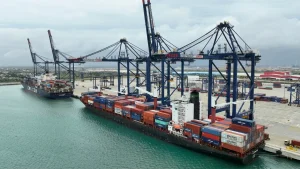
According to him, the service also published findings from its Time Release Study, which showed that cargo clearance at Nigerian ports took about five days, with more than 90 per cent of the time lost to idle waiting.
Adeniyi said the decision to make the findings public was informed by the need to identify operational shortcomings and establish accountability among agencies involved in port operations.
He said, “You cannot fix a problem you are afraid to name.”
The Customs boss also disclosed that 51 companies had secured Authorised Economic Operator status, with their cargo clearance time reduced from about 168 hours to 41 hours.
He said the experience demonstrated how clear communication, predictable procedures and measurable results could encourage compliance and build confidence in public institutions.
Adeniyi highlighted the importance of verifying information before public disclosure, particularly in security-related operations, citing the interception of 844 rifles at Onne in June 2024 and another seizure of 399 rifles aboard the vessel MV Velika.
He said premature disclosure of unverified information could undermine investigations, damage reputations and hurt innocent people.
In her remarks, the Minister of Foreign Affairs, Bianca Odumegwu-Ojukwu, called for responsible communication in international relations, particularly amid strained relations between neighbouring countries and growing security challenges in West Africa.
She said Nigeria valued dialogue with fellow ECOWAS members and neighbouring countries in the Sahel, noting that cooperation remained necessary to protect communities, sustain trade routes and address shared security threats.
The minister said African countries must also have meaningful participation in decisions taken by international institutions, arguing that countries expected to implement agreements should have a genuine role in shaping them.
She said Nigeria’s foreign policy under President Bola Tinubu was guided by democracy, development, demography and diaspora, adding that international partnerships must translate into practical benefits for citizens.
According to her, government institutions must explain the expected benefits of agreements, identify those responsible for implementation and provide updates when projects or commitments are delayed.
Odumegwu-Ojukwu also warned about the potential consequences of fabricated information in diplomatic relations, using the example of a false recording claiming that an ambassador had announced the closure of a border.
She said such misinformation could cause families to cancel journeys and disrupt economic activities before official corrections reached them.
The minister stressed the need for communication channels that would allow officials on both sides of a border to verify information quickly and ensure that corrections reached affected communities in languages they understood.