
 Get Guardian on Google
Africa’s cryptocurrency economy is becoming more interesting for what people do with digital assets than for how much they own. In October 2026, blockchain analytics company Chainalysis reported that active crypto payment corridors connecting markets within sub-Saharan Africa had increased from 80 to 152 in a year. Transaction value across those routes more than tripled to $116.5 million. The development reflects a growing interest in moving money between businesses and individuals operating under different financial systems. Someone receiving payment from abroad may convert the funds on arrival, while another person may retain a digital asset for future use. Both transactions contribute to crypto adoption, although their financial purposes differ. Across Africa, these distinctions are becoming important to understanding how cryptocurrency fits into an expanding digital economy.
Crypto Adoption Extends Beyond Investment
Chainalysis estimated that sub-Saharan Africa’s cryptocurrency economy reached $101 billion during the year ending June 2026, representing growth of 13.4%. The researchers examined activity through exchanges and personal wallets, with particular attention to cross-border payments. Personal wallets received 32.3% of the region’s measured crypto value, the highest proportion recorded worldwide. That finding suggests considerable activity among people who manage their own digital assets rather than leaving everything with an exchange.
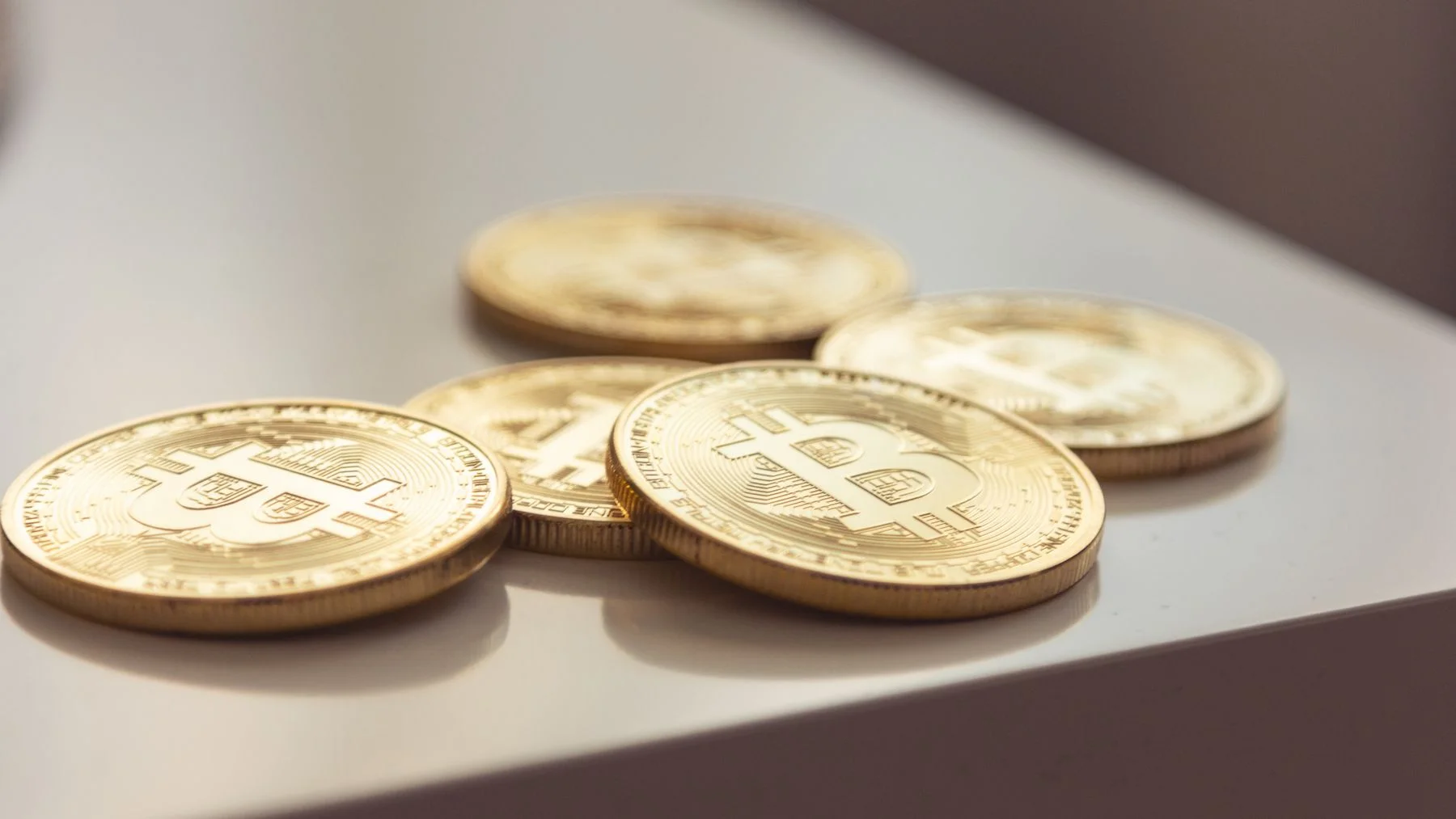
The difference between ownership and use deserves attention. Someone holding Bitcoin for several years has different priorities from a business receiving payment for an invoice. Both can use a cryptocurrency exchange to check the current Bitcoin to dollar price before deciding what to do. The international quotation establishes the asset’s market value, while the eventual amount received depends on conversion rates and transaction costs. For people making payments across borders, the second calculation may carry greater importance than Bitcoin’s long-term performance.
Digital Payments Have Become Part of Everyday Finance
Cryptocurrency has developed alongside an extensive network of conventional digital services. The GSMA’s 2026 State of the Industry Report found that mobile money transactions exceeded $2 trillion worldwide during 2025. Sub-Saharan Africa accounted for approximately $1.4 trillion of that activity. Mobile wallets support everyday purchases and transfers between individuals, allowing customers to manage payments without visiting a bank branch. These services provide important context for cryptocurrency adoption. Many people exploring digital assets already have experience sending money through their phones.
The development reaches beyond mobile money. AfricaNenda’s State of Inclusive Instant Payment Systems in Africa 2025 report identified 36 operational payment systems across 31 African countries. Together, they processed 64 billion transactions worth almost $2 trillion during 2024. The foundation conducted its research with the World Bank and United Nations Economic Commission for Africa. These figures describe a continent investing in faster financial services through established institutions. Cryptocurrency represents another means of transferring value within this wider financial environment.
International Transfers Create a Practical Demand
Sending money across borders remains expensive in several African markets. The World Bank’s Remittance Prices Worldwide project tracks the costs of international transfers, including service charges and foreign exchange margins. Its research has consistently identified sub-Saharan Africa among the most expensive receiving regions. These costs affect the amount available to families after an international payment reaches its destination. For someone transferring a modest sum, the difference between the advertised amount and the final receipt can influence which service they choose.
Chainalysis recorded $888 million in cryptocurrency remittances entering sub-Saharan Africa from Western countries during its latest reporting period. That represented annual growth of 36%, while the number of transfers increased 43% to more than one million. The research covered multiple digital assets rather than Bitcoin alone. Its findings suggest that cryptocurrency has become one of the options people consider when sending money internationally. The attraction depends on how much recipients obtain after conversion, particularly when local payment providers apply additional charges.
African Businesses Are Finding New Payment Routes
Commercial transactions provide another explanation for growing interest. A business importing goods from another African market may need to settle an invoice in a currency different from its own. Traditional arrangements can involve intermediary banks and several conversion stages. The African Development Bank’s 2026 Economic Outlook identified fragmented payment systems as a continuing obstacle to trade. Its researchers noted that Africa has more than 40 national currencies, creating complications for businesses operating across borders. These conditions have encouraged financial companies to explore alternatives for international settlement.
The expansion of crypto payment corridors provides evidence of that demand. Chainalysis found that the average transaction value moving through each active intra-African corridor increased from $429,000 to $766,000 during its 2026 research period. The figures covered business-like payments from individuals and other businesses. They suggest that established routes attracted greater activity as additional connections developed. However, transaction records cannot establish that every payment represented ordinary trade. The category also includes commercial intermediaries and other financial service providers.
Stablecoins Offer Another Way to Transfer Value
Bitcoin’s changing price creates an additional consideration for customers intending to convert their holdings after a transfer. Stablecoins address a different need by aiming to maintain a value linked to an established currency, most often the US dollar. A sender can transfer a dollar-denominated token without taking the same exposure to Bitcoin’s market movements. The International Monetary Fund reported in August 2026 that approximately 99% of stablecoins were denominated in dollars. Its analysis also identified cross-border payments as an emerging application beyond cryptocurrency trading.
The regional figures support growing interest in these assets. Chainalysis found that stablecoin remittances within sub-Saharan Africa increased from $235 million to $492 million over its latest reporting period. Transfer volumes increased at an even faster rate. These transactions can offer advantages when senders need a predictable dollar reference, although conversion costs and token backing remain important considerations. Someone receiving a stablecoin must still find an appropriate way to obtain spendable funds. The efficiency of that final step determines whether the transfer provides a worthwhile alternative.