
 Get Guardian on Google
Motorists and commuters plying the Lagos-Ibadan Expressway were subjected to hours of hardship on Wednesday as a five-day traffic diversion for the installation of a pedestrian bridge at Aseese, Ogun State, triggered widespread gridlock, frustration and complaints over poor traffic management.
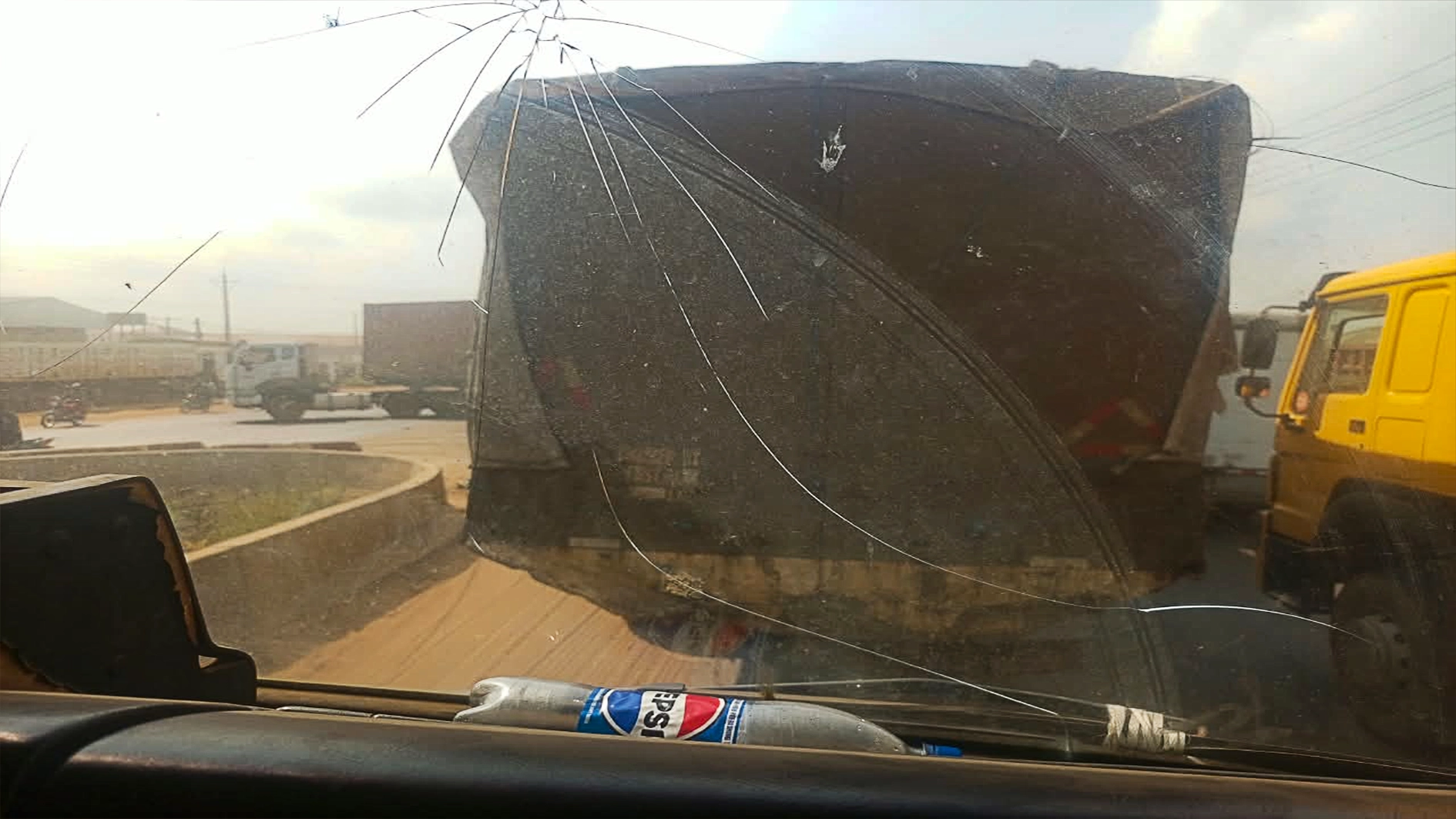
The severe congestion left thousands of road users stranded, with some motorists reportedly spending several hours on the road, while others were forced to sleep in their vehicles after being trapped in the gridlock around Aseese, opposite Christ Embassy.
The traffic crisis, which spilled over to adjoining sections of the expressway, prompted the Ogun State Traffic Compliance and Enforcement Agency (TRACE) to announce the indefinite suspension of the pedestrian bridge construction and the associated traffic diversion.
In a statement on Thursday, TRACE said the decision followed the significant traffic challenges experienced along the corridor from Wednesday into Thursday morning, necessitating a review of the traffic management arrangements surrounding the construction work.
The agency advised motorists that the temporary diversion had been suspended pending further directives from the relevant authorities, while promising to communicate updates on the resumption of the project.
TRACE regretted the inconvenience, delays and discomfort caused to motorists and other road users.
Before the suspension announcement, several motorists had taken to social media and other platforms to express frustration over what they described as avoidable hardship arising from poor planning and inadequate traffic control.
One of the motorists, identified simply as Ademola, said he was unable to go to work on Thursday because of the physical exhaustion and stress he suffered during the previous day’s journey.
He said it took him seven hours to travel from Ikeja, Lagos, to Mowe, Ogun State, describing the experience as unnecessary hardship that could have been avoided with better planning and traffic management.
“Federal Ministry of Works and CBC Construction, I strongly believe there is a better way of doing this without putting the motoring public through this avoidable stress,” he said.
Ademola cited the recently completed pedestrian bridge at the Apostolic Church, between the 7Up area and Alapere in Lagos, arguing that its construction did not cause a similar disruption to traffic.
He urged the contractors handling the Aseese project to learn from the previous construction and adopt methods that would minimise hardship for road users.
Another commuter, Bamidele Ajayi, faulted the timing of the traffic advisory, describing its release on the day the diversion commenced as insensitive to the travelling public.
According to him, motorists needed adequate notice to make alternative travel arrangements rather than being confronted with an unexpected diversion that left thousands stranded.
He questioned whether the late announcement resulted from poor coordination between the construction company and traffic management authorities or a failure by the relevant agencies to communicate promptly with the public.
Similarly, another motorist, Akinola, criticised the approach to traffic control, insisting that law enforcement officers should not remain stationed at isolated points while congestion spreads across adjoining sections of the expressway.
“They should spread out and control this traffic, for God’s sake,” he said.
The complaints raised questions about the preparedness and professionalism of traffic management personnel deployed to the affected corridor, particularly the need for coordinated traffic control beyond the immediate construction site.
Although traffic conditions reportedly improved at some points later yesterday, road users maintained that officers should have been stationed at strategic junctions and access roads to prevent the diversion from triggering a wider gridlock.
TRACE had earlier announced a five-day temporary traffic diversion from Wednesday, November 18, to Sunday, November 22, 2026, to facilitate the installation of the pedestrian bridge by the Federal Ministry of Works in collaboration with CBC Construction Company.
In a statement issued in Abeokuta, TRACE spokesperson, Babatunde Akinbiyi, said Lagos-bound motorists would be temporarily redirected towards the Lagos carriageway at Aseese before rejoining their normal route at a designated exit point opposite Christ Embassy.
The Ogun State Police spokesperson, Oluseyi Babaseyi, had also urged motorists to approach the construction zone with caution, exercise patience and comply with instructions from traffic management officials.
He said operatives of TRACE and the Federal Road Safety Corps (FRSC) would be deployed to strategic locations around the affected section to regulate traffic, minimise delays and ensure the safety of road users.
However, the experience of motorists on the first day of the exercise appeared to contradict the assurances of an orderly diversion, as congestion spread to other sections of the expressway.
A traffic situation report issued by the Mowe-Ibafo Divisional Command at 6:08 a.m. on Thursday confirmed slow-moving traffic on both inbound and outbound lanes around the Car Park C axis of the expressway.
The report attributed the situation to the spillover effects of the ongoing pedestrian bridge construction at Aseese, adding that operatives were on the ground managing the situation.
The subsequent suspension of the construction and diversion marked a reversal of the initial five-day traffic arrangement, following mounting complaints from motorists over the disruption to movement along one of the country’s busiest highways.