

 Get Guardian on Google
NES warns against sacrificing economic gains for politics
The Federal Government is moving to harmonise Nigeria’s 2026 and 2027 budgets, with plans to carry outstanding capital expenditure balances into next year and eventually adopting a single yearly budget cycle to improve fiscal planning and budget implementation.
However, the Nigerian Economic Society (NES) warned against economic decisions that could undermine the gains of ongoing reforms, urging political parties, governments and other stakeholders to maintain fiscal discipline and policy continuity ahead of the 2027 general elections.
The Federal Government’s decision followed a meeting of the Economic Management Team (EMT), chaired by the Minister of Finance and Coordinating Minister of the Economy, Taiwo Oyedele, in Abuja on Wednesday.
Under the proposed arrangement, the government intends to implement as much of the 2026 capital budget as possible while transferring outstanding balances to 2027 as part of efforts to align public spending with more realistic revenue and financing expectations.
The move is expected to improve coordination between government revenue and expenditure plans and address challenges associated with budget execution.
The EMT said it had advanced work on harmonising the budget around more realistic revenue and financing assumptions, while working towards a single yearly budget cycle going forward.
The development comes alongside efforts to strengthen fiscal discipline and ensure that available government resources are directed towards priority projects.
The meeting also reviewed progress on the 2027 Finance Bill, which is expected to update Nigeria’s tax laws and introduce further improvements to the ongoing tax reform programme.
The proposed legislation is part of a wider government strategy to improve the ease of doing business, reduce borrowing costs and ensure that more funds within the financial system are available to businesses and other productive sectors of the economy.
According to the EMT, the proposed tax changes are intended to support economic activities by improving the business environment and encouraging the flow of financial-sector liquidity into the real economy.
It reported that real Gross Domestic Product (GDP) grew by 4.43 per cent in the second quarter of 2026, while headline and core inflation continued to slow. It put October’s inflation reading at 14.06 per cent and described it as a six-year low.
According to the ministry, Moody’s and Fitch have both revised Nigeria’s sovereign credit outlook from stable to positive in 2026. It noted that this followed S&P Global’s upgrade of the country’s rating to ‘B’ from ‘B-’ in May.
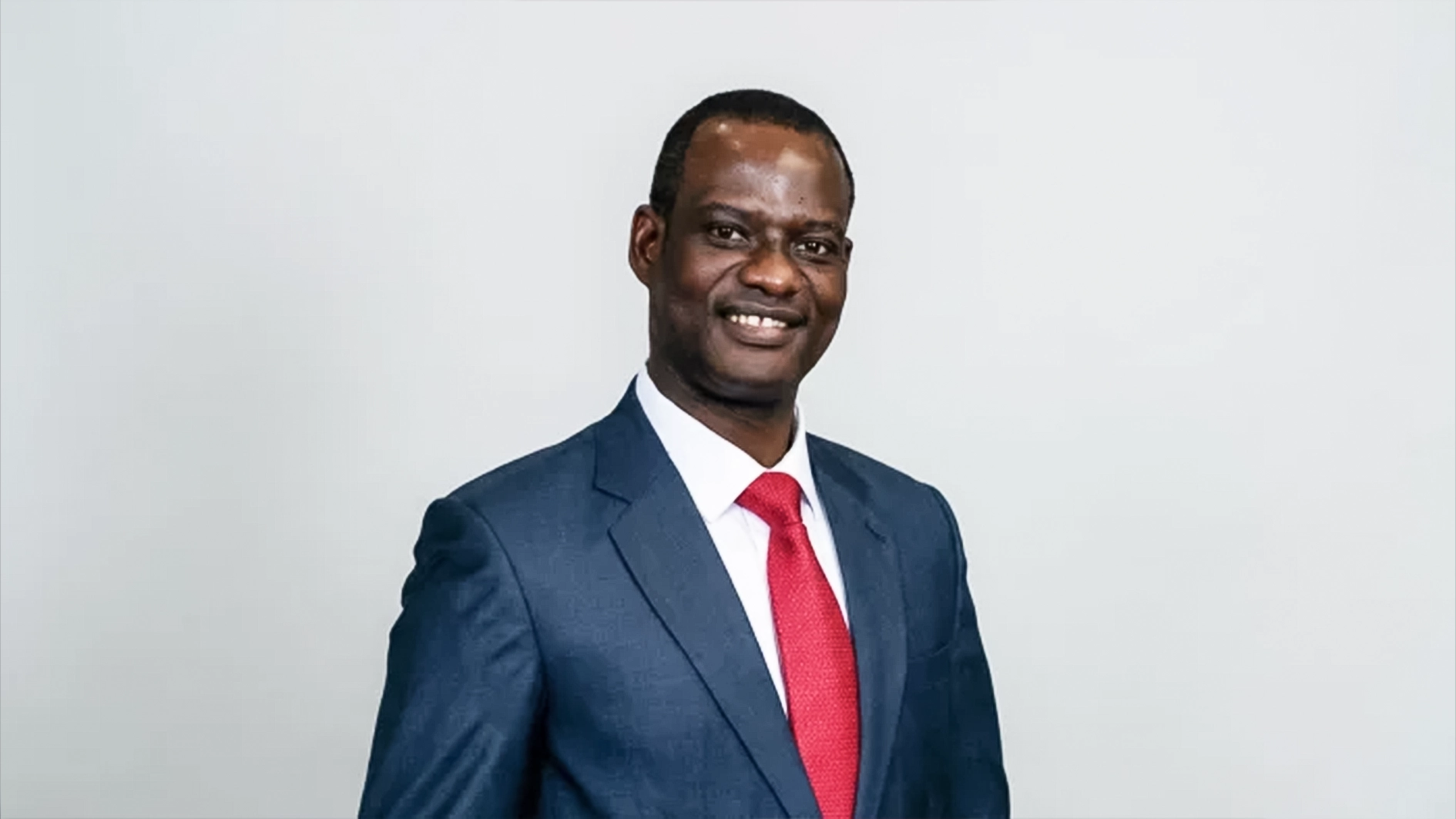
THE President of NES, Dr Baba Musa, at the 2026 National Growth and Development Forum, yesterday, organised by Moneyline with Nancy on African Independent Television (AIT) in Abuja, warned that Nigeria’s development challenges required disciplined public finance, credible institutions and consistent implementation of economic policies.
The warning comes as Nigeria prepares for the 2027 general elections, a period traditionally associated with increased political spending and pressure on public finances.
Previous election cycles raised concerns about the diversion of public resources to political activities, expansionary government spending and the risk of fiscal decisions being driven by short-term electoral considerations rather than economic priorities.
Members of the Central Bank of Nigeria (CBN)’s Monetary Policy Committee (MPC) warned that increased government spending ahead of the 2027 general elections could fuel inflation, weaken fiscal discipline and complicate efforts to maintain monetary stability.
Speaking on the theme, ‘The Nigeria We Want: The Economy, Your Money, Our Future’, Musa said political considerations must not override sound economic management as the country approaches another election cycle.
“As we approach the 2027 elections, I appeal, respectfully but earnestly, to all stakeholders, across every party and every tier of government, to protect these hard-won gains through fiscal discipline and policy continuity. Sound economics should be the common ground on which all who aspire to lead this nation can stand,” he said.
Special Adviser to President Bola Tinubu on Economic Affairs, Tope Fasua, defended the administration’s reforms, arguing that sustainable improvements in household welfare depended on macroeconomic stability.
“If you don’t build a strong macro, you can’t go anywhere with the micro,” Fasua said.
He warned against excessive reliance on cash transfers and monetary financing, citing the previous administration’s Ways and Means advances.







